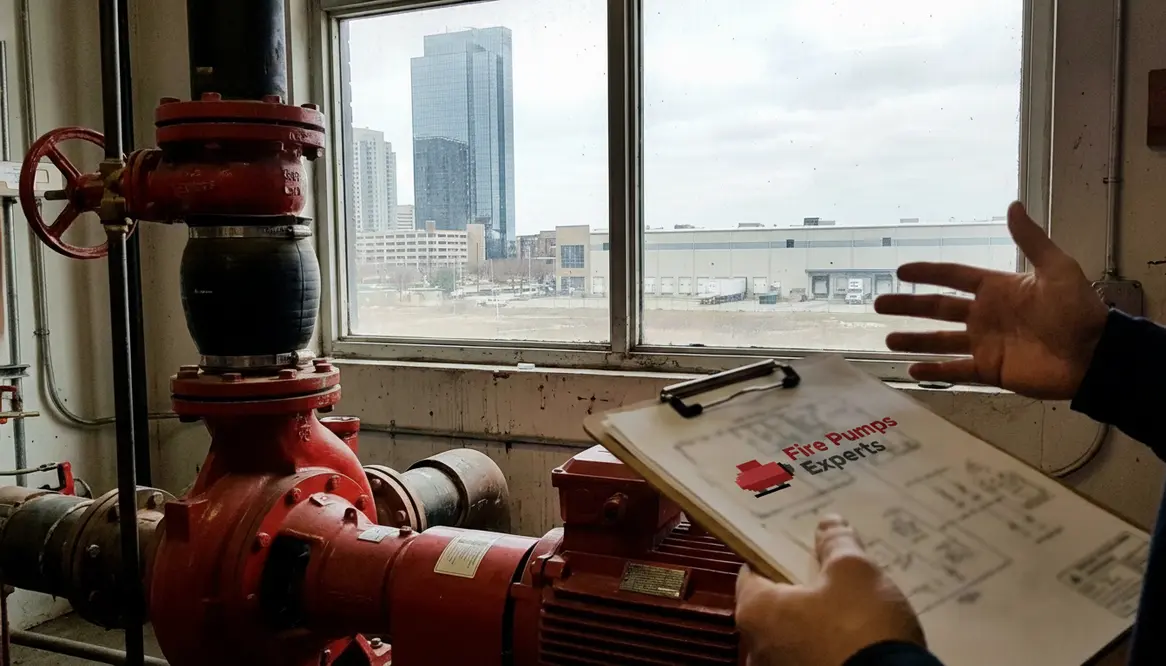
Building Size Fire Pump Matching by Building Type
I have spent years studying how buildings breathe, move, and most importantly, how they protect themselves when fire shows up uninvited. One thing becomes clear fast: building size fire pump matching is not just a technical task. It is the quiet backbone of safety. In commercial towers, factories, and large scale properties, the wrong fire pump design is like casting the wrong actor in a blockbuster. The script might be solid, but the performance falls apart. So today, I will walk you through how fire pump design shifts depending on building type, and why getting that match right makes all the difference.
Why Building Type Changes Everything
At first glance, a fire pump may seem like a simple piece of machinery. It moves water. That is its job. However, once I step into different facilities, I see entirely different demands. A high rise office tower asks for pressure that can climb dozens of floors. Meanwhile, a sprawling warehouse demands volume over distance.
Because of this, building size fire pump matching becomes a balancing act between pressure, flow, and reliability. Additionally, codes and insurance requirements shift depending on occupancy risks. A data center, for example, cannot afford water damage, yet it still needs rapid response capability.
So, while the pump may look the same on paper, its design philosophy changes dramatically. And yes, choosing the wrong one is a bit like bringing a garden hose to a five alarm fire. It is technically water, but nobody is impressed.
How Do High Rise Buildings Influence Fire Pump Design?
When I approach a high rise, I think in vertical terms. Water must travel upward against gravity, which is not known for being cooperative. Therefore, these systems require high pressure pumps, often paired with pressure zones to prevent overloading lower floors.
In addition, redundancy becomes essential. If one pump fails, another must take over instantly. Elevation also affects pipe friction losses, so engineers must calculate every foot of rise with care.
Moreover, I often see variable speed pumps used here. They adjust output based on demand, which improves efficiency and reduces wear. It is a bit like cruise control for fire protection, smooth and responsive.
Without proper building size fire pump matching, upper floors risk inadequate water supply. And in a high rise, that is not a small problem. That is the whole problem.
Industrial Facilities Demand Power and Endurance
Now, step into an industrial facility, and the tone changes completely. These environments often deal with flammable materials, heavy machinery, and wide open layouts. Consequently, fire pumps here must deliver high flow rates over large areas.
Unlike high rises, pressure is not always the main challenge. Instead, volume takes center stage. Pumps must sustain long duration operation without overheating or failing.
Furthermore, I often recommend diesel driven pumps in these settings. Why? Because power outages tend to show up exactly when you do not want them. And fire has a talent for knocking out electrical systems.
In this case, building size fire pump matching leans toward durability and independence. It is less about finesse and more about raw, dependable strength.
Large Warehouses
I usually see wide floor areas with high ceilings. Therefore, pumps must support sprinkler systems that cover vast square footage. High flow capacity is key, while pressure remains moderate.
Commercial Complexes
These mixed use properties require flexibility. Retail, offices, and parking structures all have different needs. As a result, I design systems that can adapt without sacrificing performance.
The Role of System Integration in Major Properties
In large commercial properties, fire pumps do not work alone. They are part of a larger ecosystem that includes alarms, sprinklers, standpipes, and sometimes foam systems.
Because of this, integration becomes critical. I always ensure that the pump responds instantly when a trigger activates. Delays are unacceptable. Even a few seconds can change outcomes.
Additionally, monitoring systems now provide real time feedback. Facility managers can track performance, detect issues early, and schedule maintenance proactively.
This level of coordination elevates building size fire pump matching from a simple calculation to a strategic design process. It is less about picking equipment and more about orchestrating a response.
Design Factors I Never Ignore
Every project brings its own challenges. Still, a few factors always guide my decisions:
- Water supply reliability: I evaluate whether the source can sustain demand during peak usage.
- System demand curves: Matching pump output to system needs prevents inefficiency.
- Future expansion: Buildings grow, and systems must keep up.
- Code compliance: Regulations are not suggestions. They are the baseline.
Moreover, I consider maintenance access. A perfectly designed pump that no one can service easily is a future headache waiting to happen.
And yes, I have seen designs that looked great on paper but failed in real conditions. That is why experience matters. Fire pumps are not just installed. They are trusted.
FAQ: Quick Answers for Fire Pump Design
Final Thoughts and Your Next Step
When I look at a building, I do not just see walls and floors. I see risk, responsibility, and the opportunity to get things right before anything goes wrong. Building size fire pump matching is where that responsibility becomes action. If you manage or design a commercial or industrial property, now is the time to ensure your system is not just installed, but intelligently designed. Reach out, ask questions, and make sure your fire protection strategy is ready when it matters most. You can start by reviewing reputable resources such as https://firepumps.org and then comparing those best practices with what is installed in your own building.