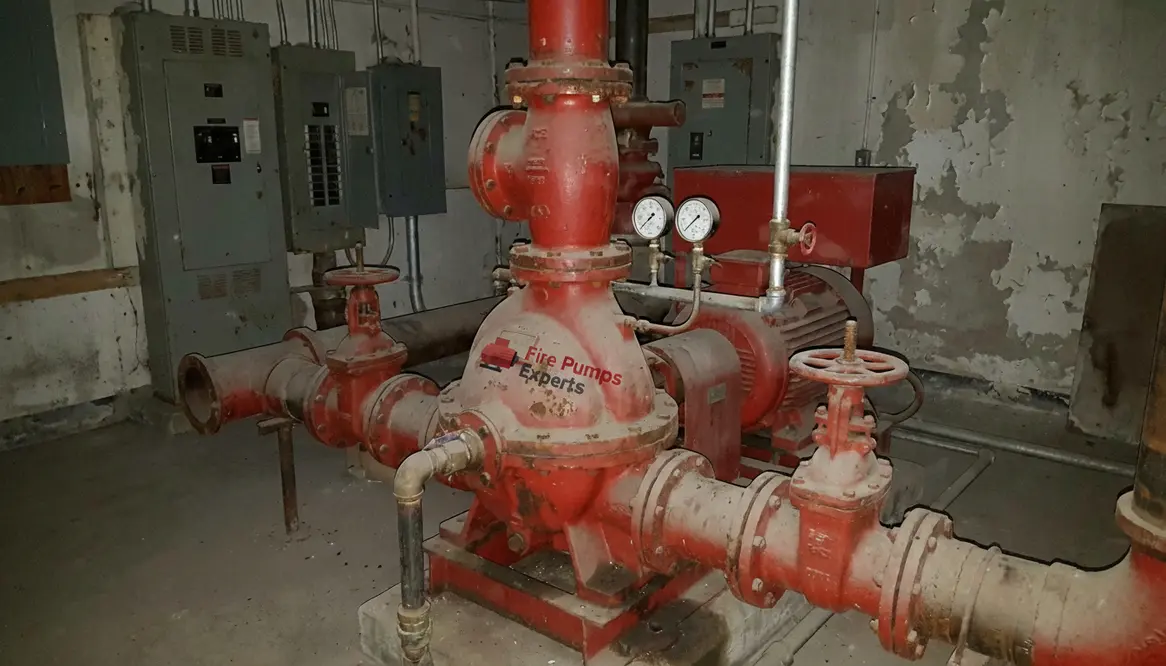
High Fire Risk Occupancy Fire Pumps in Older Buildings
I have walked through more aging commercial buildings than I can count, and I can tell you this with a calm certainty. Time changes everything, especially when it comes to high fire risk occupancy fire pumps. What worked twenty or thirty years ago may now struggle to keep pace with modern codes, increased occupancy demands, and evolving fire risks. And while an old pump might still hum along like a vintage jazz record, it may not hit the right notes when pressure truly matters.
So let us take a steady look at how fire pump needs evolve in older commercial and industrial buildings, and why ignoring those changes is a bit like trusting a flip phone in a world of smartphones. Nostalgic, yes. Reliable in a crisis? Not so much.
Why do fire pump requirements change in older commercial buildings?
I have seen this question come up often, and the answer is both simple and layered. Buildings age, but so do expectations. Fire codes advance, occupancy loads increase, and systems that once met standards begin to fall behind.
First, building usage often shifts. A warehouse from the 1980s may now house high density storage or sensitive equipment. As a result, water demand rises. Meanwhile, original fire pumps were designed for earlier, lighter loads.
Second, local and national codes evolve. Authorities update requirements based on real world incidents. Therefore, older systems that were once compliant may now fall short of modern safety benchmarks.
Finally, wear and tear plays its quiet role. Components degrade. Efficiency drops. And while the pump may still operate, it may not deliver the pressure or flow needed during a real emergency.
How do I know if my existing fire pump is no longer enough?
I usually tell property managers to look for subtle warning signs before the obvious ones appear. Because by the time a system fails completely, the conversation has already come too late.
Start with performance testing. If your pump struggles to meet required flow rates or pressure levels, that is a red flag. In addition, frequent maintenance issues or part replacements suggest the system is nearing the end of its useful life.
Another key signal is system mismatch. For example, if your building has expanded or changed function, but your fire pump has not been upgraded, you are operating with a gap in protection.
And let me say this plainly. If your fire pump predates modern digital monitoring, you are missing out on critical insights. Today’s systems provide real time data that helps prevent failure before it happens.
Spotting the performance cliff before you reach it
In older commercial and industrial properties, trouble rarely shows up as a dramatic failure out of nowhere. It shows up as creeping inefficiency: pumps running longer to reach pressure, alarms that get dismissed as “quirks,” or test results that barely scrape past minimum thresholds.
Those small gaps between “technically passes” and “actually robust” are where many buildings sit. That gap only widens when fire loads increase and occupancy shifts upward, especially in spaces that should be supported by high fire risk occupancy fire pumps.
Comparing older systems and modern upgrades
When I walk clients through this comparison, I sometimes joke that upgrading your pump is less like replacing a part and more like upgrading from a cassette tape to streaming. Both play music, but only one keeps up with the times.
Older fire pump systems
- Designed for lower occupancy loads
- Limited monitoring capabilities
- Higher maintenance frequency
- Lower energy efficiency
- Manual testing and reporting
Modern fire pump systems
- Engineered for high demand environments
- Smart monitoring and alerts
- Predictive maintenance features
- Improved energy performance
- Automated compliance reporting
If you manage an older facility, that contrast is not abstract. It determines whether your system simply meets yesterday’s checklist or stands a real chance against today’s hazards, especially in occupancies that truly warrant high fire risk occupancy fire pumps and modern detection.
What role do high fire risk occupancy fire pumps play in upgrades?
Now we arrive at the heart of the matter. In buildings with elevated fire hazards, standard systems simply do not cut it. High fire risk occupancy fire pumps are designed to deliver greater pressure, sustained flow, and consistent reliability under demanding conditions.
These systems become essential when dealing with manufacturing facilities, large scale storage operations, or complex industrial processes. In these environments, fire spreads faster and requires a stronger, more immediate response.
Moreover, these pumps are built to integrate with advanced suppression systems. That means better coordination, faster activation, and more effective containment.
In my experience, upgrading to a system designed for higher risk is not about overbuilding. It is about matching the system to the reality of the space. Because fire does not care about your budget spreadsheet.
When you match a high challenge storage, manufacturing, or processing area with appropriately selected high fire risk occupancy fire pumps, you are not just chasing a line item in the code book. You are buying time: time for sprinklers to keep up, for occupants to get out, and for responders to arrive to a situation that is still controllable.
How building renovations impact fire pump demands
Renovations are where things get interesting. And sometimes, a little dangerous if overlooked.
When a building undergoes renovation, its fire profile often changes. New materials, altered layouts, and increased occupancy all influence fire behavior. Therefore, the original fire pump may no longer align with the building’s new risk level.
For example, adding additional floors or expanding square footage increases the vertical and horizontal demand for water delivery. Similarly, introducing high value equipment or combustible materials raises the stakes.
I have seen cases where millions were spent on renovations, yet the fire protection system remained untouched. That is like installing a state of the art security system but leaving the front door unlocked. It looks impressive, but it misses the point.
Common renovation triggers you cannot ignore
- Conversion of light storage to high density racking
- Adding mezzanines or new stories
- Introducing hazardous materials or new production lines
- Changing from office to assembly or mixed use
- Upgrading to high value equipment that cannot tolerate extended fire exposure
At each of these points, a competent review of your fire protection strategy, including whether high fire risk occupancy fire pumps are now appropriate, is not just smart. It is often the difference between passing an inspection on paper and surviving an actual fire.
Planning ahead instead of reacting later
Here is where a little foresight saves a great deal of trouble. Instead of waiting for inspections to reveal deficiencies, I recommend proactive evaluations.
Start with a full system audit. Then, align your fire pump capacity with current building use and future growth. Additionally, consider integrating monitoring technology that provides ongoing insights.
Working with specialists in commercial and industrial fire protection ensures that upgrades are not just compliant, but optimized. Because meeting code is the baseline. Exceeding it is where real safety lives.
Practical steps for older buildings
- Commission a detailed hydraulic analysis of existing systems
- Verify current and projected occupancy and storage arrangements
- Review recent incident data, impairments, and near misses
- Document where performance barely clears minimum code requirements
Strategic upgrade questions
- Will future tenants have higher fire loads than current ones?
- Is now the logical time to move toward high fire risk occupancy fire pumps?
- Can monitoring and analytics reduce unexpected downtime?
- How will upgrades influence insurance requirements and premiums?
FAQ
Conclusion
If your commercial or industrial building still relies on an aging fire pump, now is the time to take a closer look. I encourage you to evaluate your system, align it with current demands, and consider upgrading before problems surface. The right fire pump does more than meet code. It protects your people, your property, and your future. Reach out to experts who understand complex facilities and take that next step with confidence. A focused discussion with a specialist, such as those you can find through https://firepumps.org, can turn a vague concern about “old equipment” into a clear, practical roadmap for resilient protection.