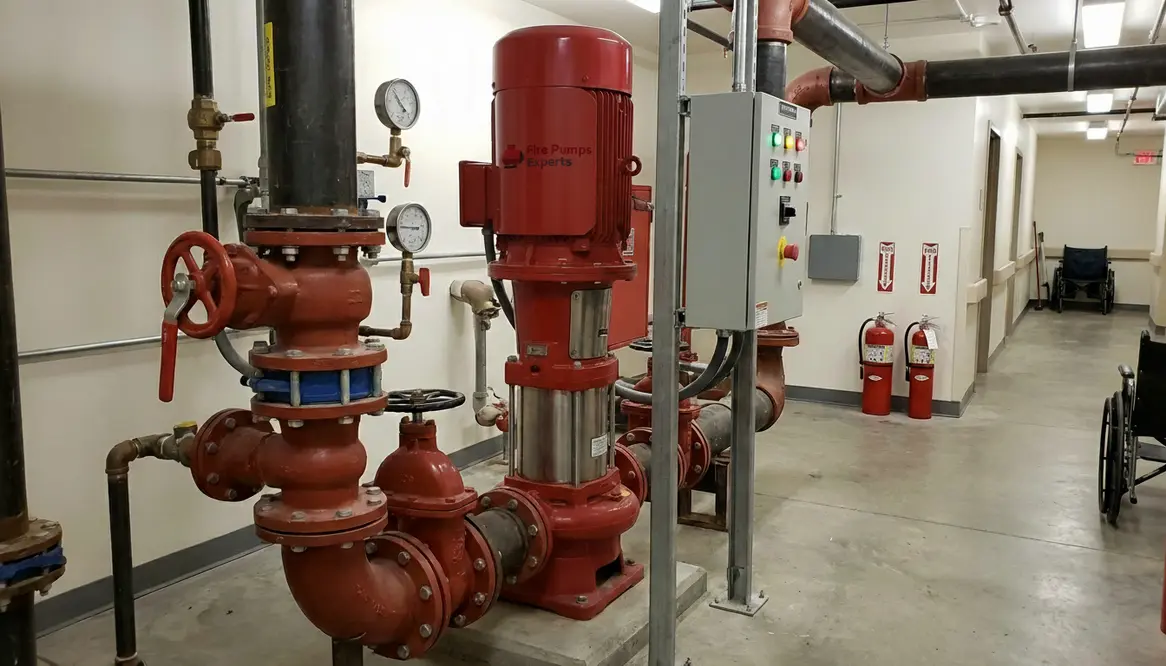
Vertical Development Fire Pumps for Long Term Care
I have spent enough time around commercial systems to know one truth. When it comes to protecting long term care facilities, fire protection is not a place for guesswork. It is a place for precision. That is exactly where vertical development fire pumps come into play. These systems are built for scale, reliability, and the kind of pressure that does not fold when things get serious. And in a setting where residents depend on consistent care, that reliability becomes more than mechanical. It becomes personal. Now, let us walk through what really matters, without the jargon and without putting you to sleep halfway through.
Why fire pump systems matter more in long term care environments
Long term care facilities operate differently than typical commercial buildings. Residents often have limited mobility, and staff need time to respond effectively. Because of that, I always look at fire pump systems as the silent first responder. They buy time.
Moreover, these buildings tend to be larger, sometimes multi story, and packed with essential infrastructure. Therefore, maintaining steady water pressure across sprinkler systems is not optional. It is critical.
And yes, if you are picturing a dramatic slow motion sprinkler activation scene like in a movie, reality is less glamorous but far more important. The system either works instantly, or it does not. There is no second take.
What are the code requirements for fire pumps in healthcare facilities
I get this question a lot, and the answer is straightforward but layered. Fire pump requirements are driven by standards such as NFPA 20 and NFPA 13, along with local codes. However, in long term care settings, enforcement tends to be stricter due to occupant vulnerability.
Typically, I ensure the following are covered:
Capacity and pressure must meet the building’s hydraulic demand
Redundant power supply is often required, especially in critical care environments
Automatic operation ensures immediate response without manual intervention
Routine testing and maintenance must follow strict schedules
Additionally, inspectors will not just glance at your system and nod politely. They will dig in. And honestly, they should.
Choosing the right fire pump system for large scale facilities
Not all fire pumps are created equal. In fact, choosing the wrong system is like bringing a garden hose to a five alarm fire. It might look nice, but it will not end well.
For large facilities, I often recommend high efficiency vertical turbine or split case systems. These are designed for consistent performance under heavy demand. Meanwhile, vertical development fire pumps excel in high rise or expansive structures where maintaining pressure across distances becomes a challenge.
What I look for
Reliable pressure output
Compatibility with building layout
Ease of maintenance access
Long operational lifespan
What I avoid
Undersized systems
Complex setups with no support plan
Outdated components
Inconsistent performance records
As a result, the right system does more than pass inspection. It performs under stress, quietly and consistently.
Installation challenges in long term care properties
Now here is where things get interesting. Installing fire pumps in these facilities is not just about technical specs. It is about working within an active environment.
Residents are present. Staff are moving. Operations cannot simply pause while we install a system. Therefore, planning becomes everything.
I focus on minimizing disruption while ensuring compliance. That includes coordinating with facility managers, staging equipment carefully, and timing installations to avoid peak activity hours.
Also, space constraints can turn a straightforward job into a puzzle. And no, it is not the fun kind of puzzle you solve with coffee on a Sunday morning. It is the kind where every inch matters.
Maintenance strategies that actually prevent failure
Once the system is installed, the job is not done. In fact, this is where many facilities drop the ball. Fire pumps require consistent testing, and not the kind where someone checks a box and calls it a day.
I recommend structured maintenance programs that include:
Weekly churn tests to verify operation
Monthly inspections of key components
Annual performance testing under full load conditions
Detailed record keeping for compliance and trend tracking
Furthermore, proactive maintenance helps catch small issues before they turn into expensive failures. Think of it like going to the doctor. You would rather hear “everything looks good” than “we should have caught this earlier.”
How vertical development fire pumps support system longevity
I have seen firsthand how well designed systems extend the life of an entire fire protection network. Vertical development fire pumps, in particular, provide stable pressure and reduce strain on piping and sprinkler components.
Because of their design, they handle fluctuating demand more gracefully. That means fewer pressure spikes, less wear, and a smoother overall operation.
And while they may not get the spotlight, they are doing the heavy lifting behind the scenes. Kind of like the bass player in a band. You do not always notice them, but take them away and everything falls apart.
In long term care facilities, that stability adds up over years of service. Piping systems see less abuse, sprinklers function more predictably, and emergency events place less stress on the overall network. When vertical development fire pumps are sized and installed correctly, they also help maintain code compliance with fewer surprises during inspections.
I have also watched facilities transition from aging, inconsistent equipment to modern vertical development fire pumps and immediately notice the difference in test data. Pressure curves stabilize, alarms become less frequent, and maintenance teams can shift from reaction mode to prevention mode. That change alone can justify the investment, especially in buildings where safety is under constant scrutiny.
FAQ Fire Pump Requirements for Long Term Care Facilities
Below are answers to some of the most common questions that come up when designing and maintaining fire pump systems for long term care properties.
Conclusion
When I look at fire protection in long term care facilities, I see more than equipment. I see responsibility. The right fire pump system protects people who depend on consistency every day. If you are managing a large commercial or healthcare property, now is the time to evaluate your setup, strengthen weak points, and invest in systems that will not hesitate when it matters most. Connect with experts who understand scale, compliance, and performance, and make sure your facility is ready.
If you want to go deeper into the technical side of pump selection, performance curves, or code alignment for complex campuses, resources such as https://firepumps.org can be a useful reference alongside local guidance. Pair that knowledge with on-site assessments and practical testing, and your long term care facility can move from “hope it works” to “we know it works” the next time the system is called into action.