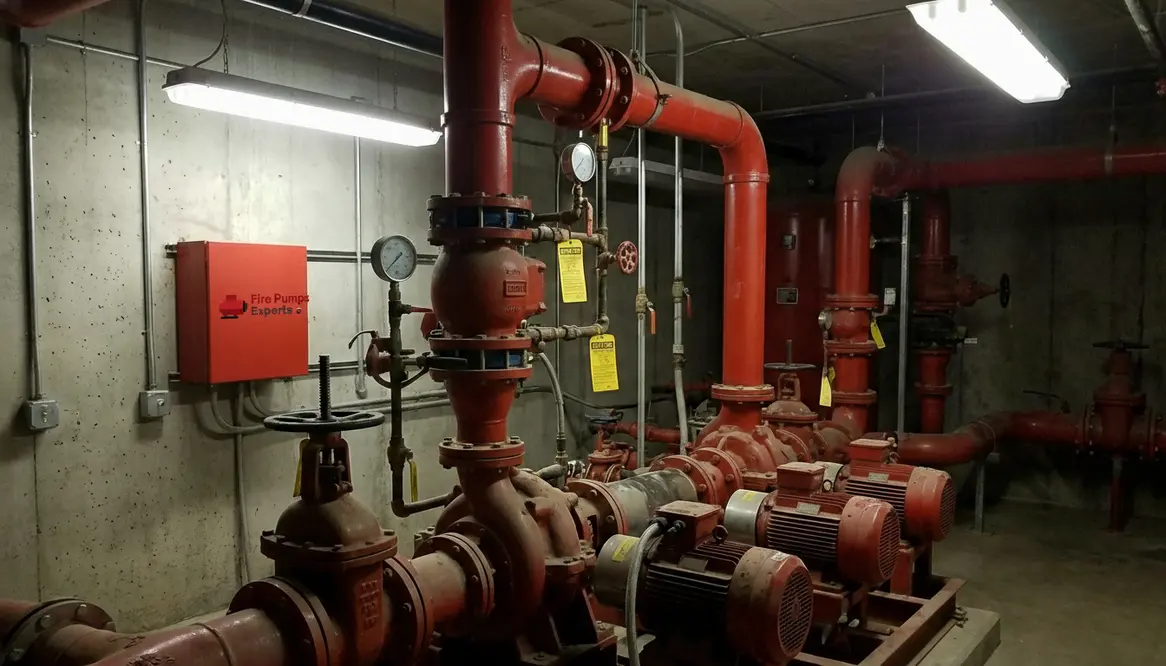
Multi Level Commercial Property Fire Pumps Guide
I have spent years around large buildings where safety is not a feature but a responsibility. When I talk about multi-level commercial property fire pumps, I am not just talking about equipment. I am talking about the quiet guardians that stand ready when everything else goes wrong. In high rise offices, industrial complexes, and sprawling commercial facilities, these systems carry the weight of life safety on their steel shoulders. And trust me, they do not get stage time unless something has already gone very wrong. So let’s walk through what matters, why it matters, and how to get it right without turning it into a late night horror story.
Why Fire Pumps Matter in Tall Commercial Structures
First, let’s get one thing straight. Water pressure from a city supply rarely has the strength to climb dozens of floors and still perform like a hero. That is where fire pump systems step in. They boost pressure, stabilize flow, and make sure sprinklers and standpipes do not turn into decorative plumbing.
Moreover, in large commercial and industrial buildings, fire loads can vary widely. Offices, storage areas, mechanical rooms all have different risks. A properly designed pump system adjusts for those variables. Without it, you are essentially asking gravity to do a job it never signed up for.
And yes, gravity is reliable. But even gravity has limits. Just ask anyone who has tried to carry groceries up ten flights of stairs.
Key Role In High Rises
In multi-level commercial property fire pumps configurations, the goal is simple: deliver dependable pressure at the highest and furthest points of the building, even when multiple sprinklers and hose outlets are open at once.
How Do Multi Level Commercial Property Fire Pumps Actually Work
Automatic Response To Demand
I like to think of fire pumps as the heartbeat of a building’s fire protection system. When pressure drops, typically due to an open sprinkler head or hose connection, the pump senses it and starts automatically.
Then, it pulls water from a reliable source such as a tank, reservoir, or municipal supply. From there, it pushes water upward with enough force to meet system demand at the highest point of the structure.
Controllers And Precision
Additionally, these systems rely on controllers that act like a very focused conductor. They manage startup, monitor performance, and ensure the pump does not shut off too early. In other words, once the music starts, it plays until the fire is handled.
It is not flashy. It is not glamorous. But it is incredibly precise.
Choosing the Right System for Large Scale Facilities
Core Design Factors
Not all fire pumps are created equal, and in commercial environments, choosing the wrong one can create gaps you cannot afford. I always look at three key factors.
Building height and layout drive pressure requirements. A tall tower needs far more force than a wide industrial plant.
Water supply reliability determines whether you need backup storage or redundant systems. Because when the city supply falters, your system should not.
Hazard classification shapes the flow demand. A data center does not behave like a manufacturing floor.
Power Source Choices
Furthermore, electric and diesel driven pumps each bring advantages. Electric pumps are clean and efficient. Diesel pumps, however, keep running even when power disappears. And in emergencies, power outages tend to show up like uninvited guests.
Electric Pumps
- Lower maintenance
- Quiet operation
- Depend on stable power
Diesel Pumps
- Independent of electrical grid
- Reliable in outages
- Require fuel management
Installation Realities in Complex Buildings
Installing fire pumps in multi story commercial environments is not just about dropping equipment into a room and calling it a day. Space constraints, vibration control, and accessibility all come into play.
Pump Room Realities
For example, I always consider pump room placement carefully. It must remain accessible during emergencies, protected from flooding, and properly ventilated. Otherwise, you risk turning your safety system into a liability.
Additionally, pipe sizing and layout must minimize friction loss. Every bend, valve, and fitting adds resistance. Over time, those small inefficiencies add up. Think of it like trying to drink a thick milkshake through a tiny straw. Eventually, something gives.
System Coordination
Coordination with other building systems is equally critical. Fire pumps do not operate in isolation. They connect with alarms, sprinklers, and emergency power systems. If one piece falls out of sync, the whole performance suffers.
In multi-level commercial property fire pumps design, this coordination often includes integration with building management systems so that operators can see, in real time, how pressure, status, and alarms are behaving during an event.
Maintenance That Actually Prevents Problems
Routine Testing
I have seen pristine systems fail simply because no one paid attention after installation. Maintenance is not optional. It is the difference between readiness and regret.
Weekly churn tests keep components active and reveal issues early. Monthly inspections catch leaks, pressure inconsistencies, and controller faults. Annual flow testing confirms the system can still deliver what it promised on paper.
Records And Accountability
Furthermore, documentation matters more than most people realize. Inspectors, insurers, and safety teams rely on accurate records. Without them, even a well functioning system can raise red flags.
And let’s be honest. Paperwork is not exciting. But neither is explaining why a system failed when it mattered most.
For multi-level commercial property fire pumps, those maintenance logs become your proof that the system is not just installed, but truly ready.
Common Mistakes I See in Commercial Fire Pump Systems
Over the years, a few patterns have stood out, and none of them are good news.
Design And Capacity Errors
First, undersized pumps. Trying to save upfront costs often leads to systems that cannot meet demand. That is a gamble no commercial property should take.
Second, poor integration with building systems. Fire pumps must communicate effectively with alarms and controls. Otherwise, response time suffers.
Redundancy And Aging
Third, neglecting redundancy. In large facilities, a single point of failure is unacceptable. Backup systems are not luxury items. They are essential.
Finally, ignoring long term wear. Components age, seals degrade, and performance shifts. Regular evaluation keeps surprises to a minimum.
In multi-level commercial property fire pumps strategies, avoiding these mistakes is the line between a system that only looks good on drawings and one that performs under real heat and pressure.
FAQ About Fire Pumps in Large Commercial Buildings
Final Thoughts and Next Steps
When I look at fire protection in large facilities, I see more than compliance. I see responsibility. Multi-level commercial property fire pumps are not just mechanical systems. They are critical safeguards that demand careful planning, expert installation, and consistent care. If you manage or own a commercial or industrial building, now is the time to review your system, ask hard questions, and bring in professionals who understand the stakes. Because when the moment comes, preparation is everything.