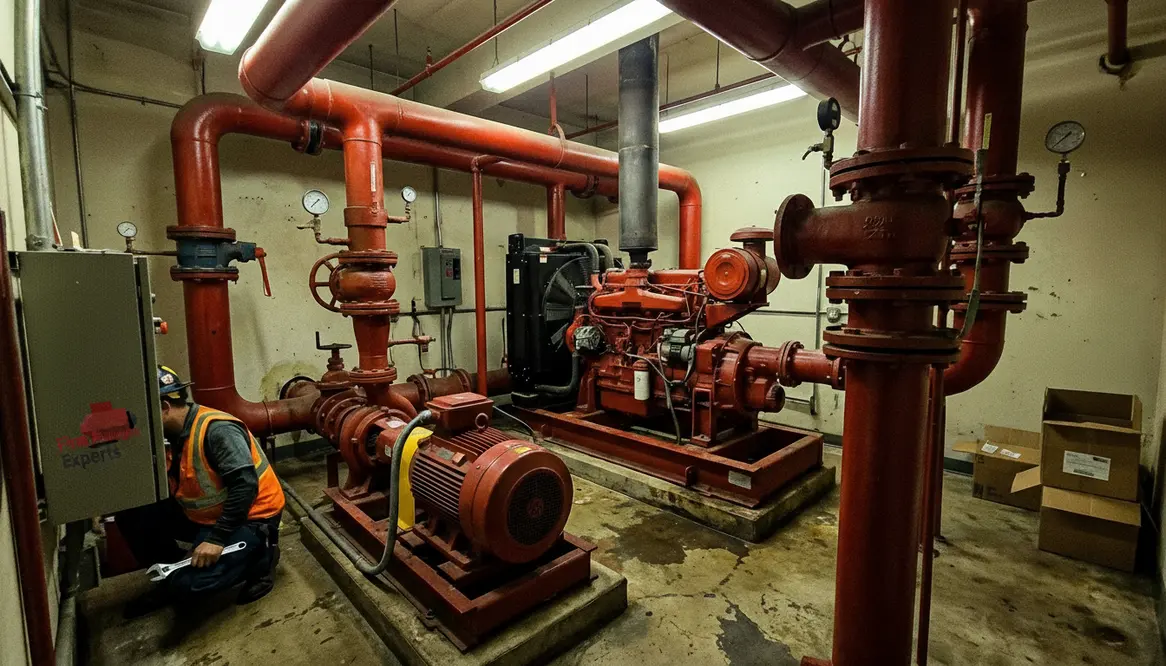
High Fire Risk Occupancy Fire Pumps Guide
I have spent enough time around commercial and industrial buildings to know one thing for certain. Fire does not negotiate. It does not wait for a convenient moment. And in facilities where the stakes are sky high, high fire risk occupancy fire pumps are not just equipment. They are the quiet guardians that stand ready when everything else starts to fail. In environments packed with fuel loads, sensitive operations, or expensive assets, these systems carry the weight of both safety and continuity. And yes, while they may not wear capes, they absolutely deserve a slow clap.
What makes a building high risk for fire in the first place
When I walk into a facility, I can usually tell within minutes if the fire risk is elevated. It is not just about flames waiting to happen. It is about conditions that invite them. For example, manufacturing plants, chemical storage sites, large warehouses, and data centers all bring their own flavor of danger.
Moreover, these environments often combine three key factors. High fuel loads, complex layouts, and continuous operations. Together, they create a perfect storm. As a result, a standard fire protection approach simply does not cut it.
Therefore, fire pump systems for high hazard buildings must deliver higher pressure, faster response, and absolute reliability. Because when things go wrong, they go wrong fast. Think less slow burn candle and more action movie explosion scene.
High Fire Risk Occupancy Fire Pumps and why they are engineered differently
I like to think of these systems as the heavyweight champions of fire protection. They are built to perform under pressure, literally and figuratively.
First, they must maintain strong and consistent water flow across large or complex systems. In addition, they are often paired with backup power sources because relying on a single power feed during an emergency is about as risky as trusting a villain in a superhero movie.
Furthermore, these pumps are selected based on precise hydraulic calculations. Every pipe, valve, and sprinkler head matters. If one piece underperforms, the entire system can struggle. Consequently, engineers design these setups with precision and redundancy in mind.
In many cases, you will also see diesel driven pumps alongside electric ones. This dual approach ensures that even if power fails, protection does not. This is where the specific design approach for high fire risk occupancy fire pumps really proves its worth.
How I approach system design for demanding facilities
Designing these systems is not guesswork. It is a methodical process that balances code compliance with real world performance. I start by analyzing the hazard classification and water demand. Then, I evaluate the building layout and operational needs.
After that, I focus on system integration. Fire pumps must work seamlessly with sprinklers, standpipes, and alarm systems. If one part lags, the entire response slows down. And in fire scenarios, seconds matter more than coffee on a Monday morning.
Key design priorities
- Accurate flow and pressure calculations
- Reliable power supply options
- System redundancy tailored to high fire risk occupancy fire pumps
- Compliance with fire codes
Common challenges
- Large facility footprints
- High storage configurations
- Variable water supply conditions
- Complex piping networks
By addressing both sides, I ensure the system is not only compliant but also resilient.
Do fire pump systems actually prevent catastrophic loss
Short answer. Yes, when they are designed and maintained correctly.
However, it is important to understand their role. Fire pumps do not stop fires from starting. Instead, they empower suppression systems to control and contain fires before they spread. In high risk environments, this distinction is critical.
For instance, in a large distribution center, a properly functioning pump can maintain enough pressure to keep sprinklers operating at full capacity across multiple zones. Without that support, coverage weakens, and fire gains ground.
So while they may not get the cinematic glory, these systems are often the reason a bad situation does not become a total loss headline. Well engineered high fire risk occupancy fire pumps quietly shift the odds back in your favor.
High Fire Risk Occupancy Fire Pumps maintenance that actually matters
I cannot stress this enough. Installation is only half the story. Ongoing maintenance is where reliability is proven.
Regular testing ensures pumps start instantly and deliver the required output. In addition, inspections help identify wear, leaks, or electrical issues before they escalate. Skipping maintenance is like owning a sports car and never changing the oil. It looks impressive until it suddenly does not.
Moreover, documentation plays a huge role. Facilities must keep detailed records of tests and inspections. This not only supports compliance but also provides a clear performance history.
Ultimately, a well maintained system stands ready at all times. And in high risk settings, readiness is everything. Combined with the right strategy, high fire risk occupancy fire pumps turn from metal equipment into a genuine continuity plan.
Choosing the right system for large scale properties
When I advise clients, I always emphasize customization. No two facilities share the exact same risks or requirements.
Therefore, selecting the right fire pump involves evaluating water supply, building size, hazard level, and operational demands. Additionally, future expansion should always be considered. Because what works today might need to scale tomorrow.
I also recommend working with specialists who understand commercial and industrial environments. These are not cookie cutter systems. They require expertise, planning, and a deep understanding of fire behavior.
Where to go from here
If you are unsure whether your setup matches your risk profile, comparing your current system performance, testing practices, and documentation against recognized standards is a useful first step. Resources such as https://firepumps.org can help frame the conversation with your fire protection team and highlight where high fire risk occupancy fire pumps should be upgraded or reconfigured.
FAQ
Below are some of the questions that come up most often when people start taking a closer look at their fire pump strategy.
Conclusion
If you manage or operate a commercial or industrial facility, investing in the right fire pump system is not optional. It is essential. I encourage you to take a closer look at your current setup, identify gaps, and work with experienced professionals who understand high demand environments. Because when fire shows up uninvited, the only thing standing between control and chaos is a system built to perform without hesitation.
Treat the subject with the same seriousness you would give to production uptime, cybersecurity, or life safety training. The buildings that fare best in real emergencies are rarely the ones with the flashiest technology. They are the ones where high fire risk occupancy fire pumps, distribution piping, and suppression systems have been thoughtfully designed, tested, maintained, and quietly kept ready for the day they are needed most.