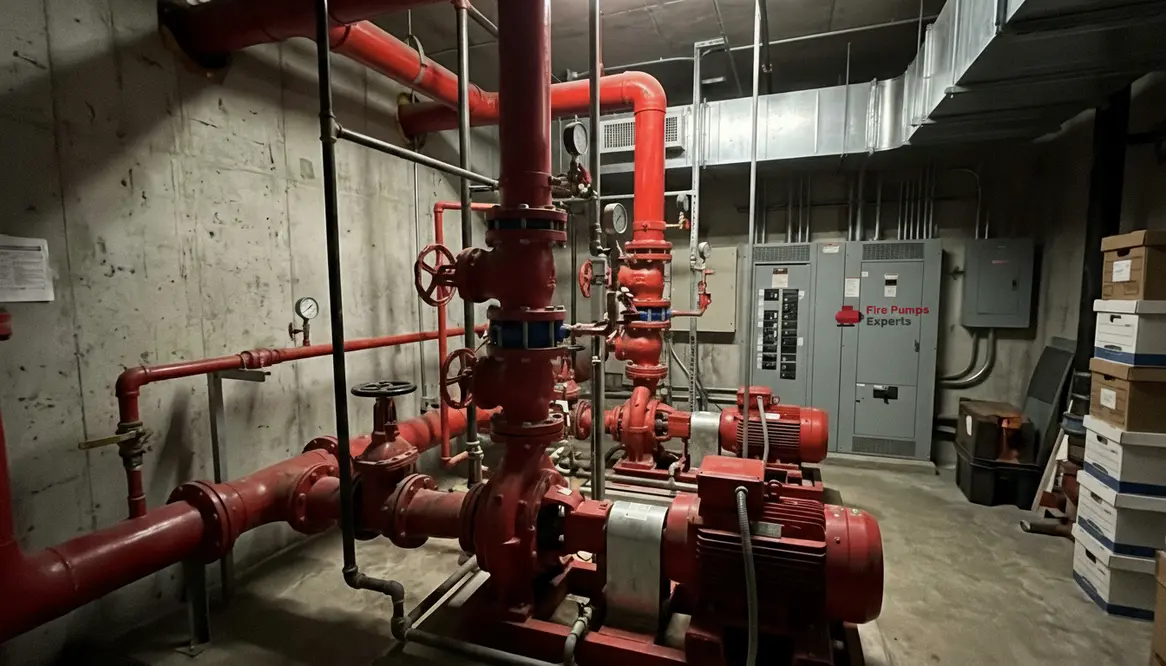
Mixed Use Fit Out Fire Pump Systems Guide
I have walked through enough commercial towers, hospitals, and industrial campuses to know one truth. Fire does not care about your floor plan. It does not pause for your tenant mix or admire your polished lobby. That is why I take blended occupancy buildouts seriously, especially when I design around mixed use fit out fire pump systems. In these spaces, offices sit above retail, data rooms hum beside kitchens, and every use carries its own risk. So, I build protection that is not just compliant, but quietly relentless.
Why Fire Protection Gets Complicated in Blended Spaces
When I step into a blended occupancy building, I see layers of risk stacked like a well made club sandwich. However, unlike lunch, this combination can turn dangerous fast. Retail spaces bring foot traffic. Offices add density. Meanwhile, storage areas introduce fuel loads that would make a bonfire jealous.
Because of this mix, fire protection systems must adapt in real time. I cannot rely on a one size setup. Instead, I coordinate detection, suppression, and water delivery so they respond differently depending on where trouble starts. For example, a small electrical fire in a server room demands a different response than a grease fire in a commercial kitchen. Therefore, the backbone of the system must be flexible without becoming fragile.
How Do I Design for Multiple Occupancy Types Without Overbuilding?
I hear this question often, and I get it. Nobody wants to overspend on infrastructure that feels like overkill. However, cutting corners in fire protection is like bringing a water pistol to a dragon fight. It looks optimistic, but it ends badly.
I start by mapping hazard classifications across the entire building. Then, I align suppression zones with actual use, not just architectural boundaries. This approach allows me to scale protection where needed while keeping efficiency intact. In addition, I use zoning controls and pressure management to prevent system overload.
As a result, the system works smarter, not harder. It delivers water where it matters most without wasting capacity. And yes, it keeps budgets from spiraling into blockbuster movie territory.
mixed use fit out fire pump systems in High Demand Buildings
In high rise commercial and industrial properties, water pressure is not a suggestion. It is the difference between control and chaos. That is where mixed use fit out fire pump systems come into play.
I design these systems to handle peak demand across multiple zones simultaneously. For instance, if a retail fire and an upper floor office incident occur at the same time, the system must respond without hesitation. Therefore, I integrate redundancy, variable speed drives, and intelligent controllers that adjust flow dynamically.
Moreover, I consider future expansion. Buildings evolve. Tenants change. What starts as office space today might become a lab tomorrow. So, I build in capacity that anticipates growth without requiring a full system overhaul later. That mindset is especially important for mixed use fit out fire pump systems that must keep pace with new occupancies and changing hazards.
Key Components I Never Compromise On
Water Supply Reliability
I ensure dual sources or backup storage when possible. Because if water fails, everything else becomes decoration.
Pump Performance
I select pumps that maintain pressure across varying loads. Consistency matters more than peak numbers.
System Zoning
I divide the building into strategic zones. This limits damage and improves response precision.
Control Systems
I implement smart controllers that adjust in real time. Think less guesswork, more orchestration.
Maintenance Access
I design for serviceability. Because even the best system fails if nobody can maintain it.
Code Alignment
I stay aligned with commercial and industrial standards. Not just to pass inspection, but to exceed expectations.
Balancing Compliance, Cost, and Common Sense
Let me be honest. Codes are not bedtime reading. However, they are the backbone of safe design. I treat them as a starting point, not the finish line. Because in blended occupancy environments, minimum compliance rarely equals maximum safety.
At the same time, I respect budgets. So, I look for efficiencies in system layout, equipment selection, and installation sequencing. For example, combining riser strategies or optimizing pump placement can reduce costs without sacrificing performance.
And yes, sometimes I have to explain why a cheaper option is actually more expensive in the long run. It is a bit like buying discount tires for a race car. Technically possible. Strategically questionable. Well tuned mixed use fit out fire pump systems avoid that trap by pairing smart investment with durable performance.
Integration With Building Operations
Fire protection does not live in isolation. It interacts with HVAC, electrical systems, and building management platforms. Therefore, I coordinate integration early in the design process.
When systems communicate, response times improve. Smoke control activates faster. Alarms trigger with precision. And building operators gain visibility that helps them act quickly. In other words, everything works together like a well rehearsed orchestra, not a garage band figuring it out mid song.
That orchestration matters most when mixed use fit out fire pump systems are feeding sprinklers, standpipes, and specialty suppression in very different zones. Tied into the building’s controls, the whole network reacts with purpose instead of panic.
FAQ
Conclusion
I design fire protection with one goal in mind. Keep people safe and keep buildings standing. If you are planning a commercial or industrial blended occupancy project, now is the time to get it right. I can help you build a system that performs under pressure, adapts to change, and meets every demand without compromise. Reach out, and let us turn complexity into clarity before the first spark ever has a chance.