Fire Pump Curve Mismatch San Jose Buildings Risk
A quiet mechanical room can hide a very loud problem. When a fire pump drifts away from its performance curve, the risk does not vanish. It waits for the one day you cannot afford a surprise.
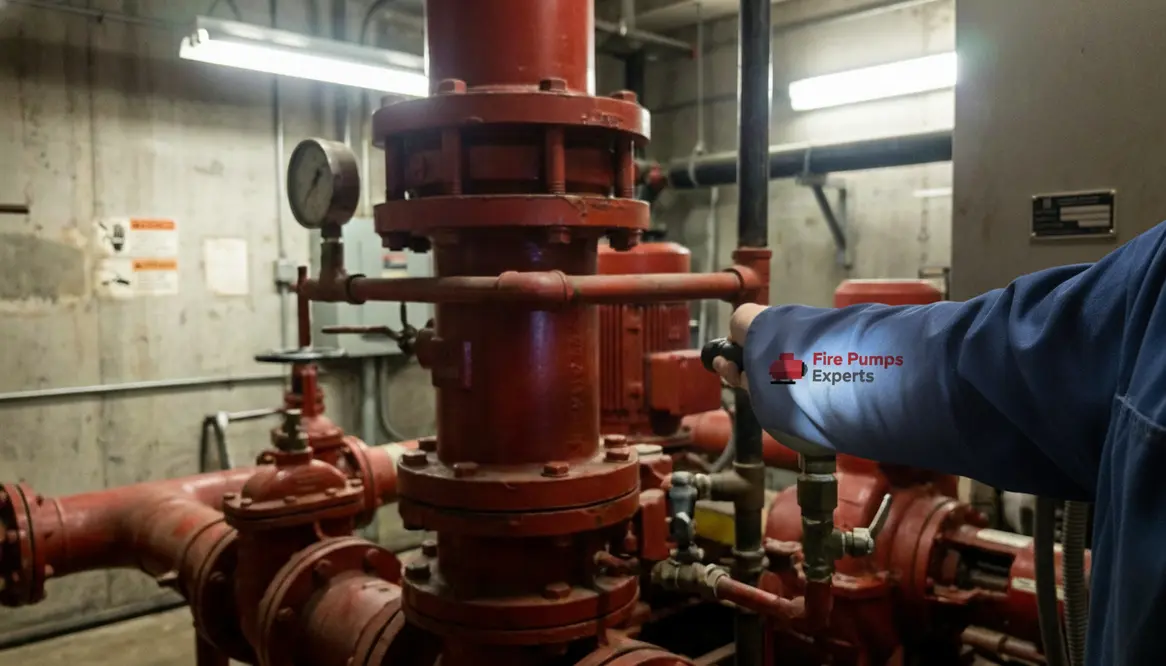
I have spent years walking through mechanical rooms that hum like quiet orchestras, and I can tell you this with certainty. When a fire pump is not aligned with its curve, the system does not whisper its problems. It waits. Then, at the worst possible moment, it shouts. That is exactly why fire pump curve mismatch San Jose buildings has become more than just a technical phrase. It is a real world risk sitting inside commercial towers, data centers, and industrial facilities across the region. And in a city that prides itself on innovation, nothing feels more out of place than a life safety system that is just a little off.
What happens when a fire pump curve does not match system demand?
Let me answer this plainly. The pump either delivers too much or too little. And neither outcome is your friend.
When the pump overperforms, pressure climbs. Sprinkler heads experience stress. Pipes feel it too. Over time, components wear down faster, and failures become more likely. On the other hand, when the pump underperforms, the system cannot meet required flow during a fire event. That is not a minor inconvenience. That is the difference between control and catastrophe.
Moreover, San Jose buildings often have complex layouts and vertical demands. Because of this, even small mismatches between pump curves and system requirements can create ripple effects. I have seen systems pass inspection on paper yet struggle in real conditions. It is a bit like hiring a marathon runner who only trained on a treadmill. Technically impressive, but not quite ready for the hills.
fire pump curve mismatch San Jose buildings and why it shows up more than you think
Now here is where things get interesting. This issue does not usually come from one dramatic mistake. Instead, it builds slowly.
Evolving buildings, aging assumptions
For instance, building expansions often change demand. A facility adds floors, upgrades equipment, or reconfigures layouts. However, the original fire pump remains. At first, everything seems fine. Yet over time, the system drifts away from its design intent.
Additionally, I have noticed that retrofits play a major role. Contractors swap components, adjust piping, or modify valves. Each change seems small. However, together they reshape the system curve. The pump, meanwhile, keeps doing what it was designed to do years ago.
The human shortcuts
And then there is the human factor. Specifications get misread. Assumptions get made. Someone says, this should be close enough. Spoiler alert. In fire protection, close enough is like bringing a spoon to a sword fight.
That is how a quiet design compromise turns into a full scale fire pump curve mismatch San Jose buildings problem years later, hidden behind painted doors and polished lobbies.
How I evaluate a mismatch in active commercial systems
When I walk into a facility, I do not start with guesses. I start with data.
What I look at first
- Actual flow demand during testing
- Pressure readings across key points
- Pump performance curves from manufacturer
- System modifications over time
What that tells me
- Whether the pump operates in its optimal range
- If pressure spikes or drops exist
- How far reality has drifted from design
- Where corrective action will have impact
Then, I compare reality against intent. If those two do not line up, we have a mismatch. Simple in theory. Critical in practice.
However, I always remind clients that this is not about blame. Systems evolve. Buildings change. What matters is recognizing the gap and correcting it before it becomes a headline.
The real world consequences inside large facilities
Let me paint a picture. A high rise in downtown San Jose. Everything looks pristine. Inspections passed last year. Then a fire event triggers the system.
Because the pump curve does not align with actual demand, pressure fluctuates. Some areas receive too much force, while others receive too little. Response becomes uneven. Firefighters step in, but the system that should support them becomes unpredictable.
High stakes in industrial facilities
Meanwhile, in industrial facilities, the stakes rise even higher. Sensitive equipment, high value assets, and continuous operations mean that even minor system instability can lead to major downtime. And downtime, as you know, is the villain in every business story.
Compliance, audits, and cost of inaction
Furthermore, insurance audits increasingly flag these inconsistencies. Carriers do not enjoy surprises. Neither do compliance officers. And when both start asking questions, the cost of inaction becomes very clear.
Fixing the problem without overcomplicating it
Here is the good news. This is fixable.
First, I focus on recalibration. Sometimes, adjusting system components or control settings brings the pump back into alignment. Other times, we need to consider impeller trimming or even pump replacement. It depends on how far the system has drifted.
Test what actually happens
Next, I emphasize testing under real conditions. Not just theoretical calculations. Flow testing reveals truths that spreadsheets politely ignore.
Keep it aligned over time
Then, I look at long term stability. Because fixing the issue once is not enough. The system must stay aligned as the building evolves.
And yes, there is always that moment when someone asks if we can just leave it alone. I usually smile and say, you can also ignore a check engine light. Just do not expect the car to thank you later.
Why proactive alignment matters more in San Jose
San Jose is not a static environment. Buildings here adapt quickly. Technology shifts. Infrastructure evolves. Therefore, fire protection systems must keep pace.
Because of this, fire pump curve mismatch San Jose buildings is not a rare anomaly. It is a pattern that shows up in growing facilities that outpace their original designs.
Precision beyond basic compliance
In addition, local codes and expectations demand precision. Inspectors and engineers look for performance, not just compliance. That means systems must work exactly as intended, not approximately.
Risk, reputation, and readiness
So, staying ahead of mismatches is not just smart. It is essential for keeping operations smooth and people safe. In the bigger picture, ignoring fire pump curve mismatch San Jose buildings issues is a quiet way to invite reputational damage along with physical risk.
FAQ
Keep your system honest and ready
If you manage a commercial or industrial facility, now is the time to take a closer look. I help uncover hidden mismatches and bring systems back into alignment before they become liabilities. Reach out to https://firepumps.org and let us make sure your fire protection system performs exactly as it should, when it matters most. Because in this line of work, almost right is never right enough.