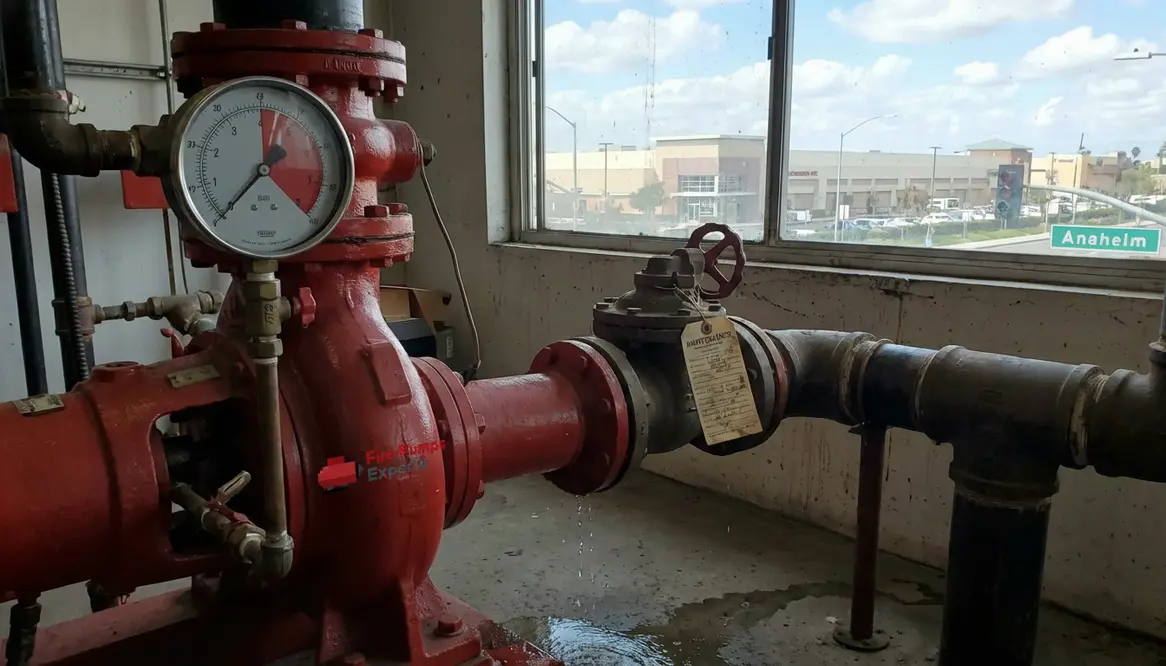
Fire Pump Overpressure Issues Anaheim Solutions
Why high density facilities in Anaheim cannot afford to ignore pressure spikes in their fire protection systems.
I have spent enough time around commercial fire protection systems to know one thing for certain. When things go wrong, they rarely whisper. They announce themselves loudly. And in the case of fire pump overpressure issues Anaheim, that announcement can come with damaged infrastructure, costly downtime, and a whole lot of stress for facility managers who thought everything was under control. In high density systems across Anaheim, where demand is high and margins for error are thin, overpressure is not just a technical hiccup. It is a serious operational risk that deserves attention before it decides to make its own dramatic entrance.
What causes fire pump overpressure issues Anaheim in dense systems
Let me paint the picture clearly. A fire pump is designed to deliver water at a specific pressure. However, when system demand drops suddenly or when components are not properly calibrated, pressure can spike. And just like that, you have a system pushing harder than it should.
Now, in high density commercial or industrial facilities, the stakes rise quickly. These systems often serve large floor areas, multiple zones, and complex piping networks. Therefore, even a small imbalance can amplify into a significant overpressure event.
Common triggers include improperly set pressure relief valves, oversized pumps for the system demand, and rapid valve closures. Additionally, modern buildings with variable flow demands can unintentionally create conditions where pressure fluctuates more than expected. It is a bit like trying to control traffic in Los Angeles during rush hour with one stoplight. Something is bound to get messy.
Key overpressure risk factors
- Sudden drops in system demand
- Incorrectly calibrated gauges or controllers
- Pressure relief valves not matched to the system curve
- System upgrades that outgrow the original fire pump design
Why high density systems in Anaheim amplify the risk
Anaheim is not exactly known for small buildings. From sprawling industrial complexes to multi story commercial properties, these structures demand robust fire protection systems. However, with size comes complexity.
Because these systems operate across large footprints, pressure inconsistencies do not stay isolated. Instead, they travel. One zone may experience a surge while another struggles to maintain stability. Consequently, the entire system becomes vulnerable.
Moreover, many facilities upgrade over time. They expand, add new zones, or retrofit equipment. Yet, if the fire pump system is not recalibrated accordingly, it may deliver more pressure than the updated system can safely handle. It is like putting a race car engine into a delivery van. Impressive, sure. Practical, not so much.
How do I know if my system is at risk
I always tell clients that systems rarely fail without leaving clues. You just have to know where to look. Fortunately, there are several warning signs that suggest overpressure may be lurking beneath the surface.
Operational indicators
- Frequent pressure fluctuations during testing
- Relief valves activating more often than expected
- Unusual pump cycling behavior
Physical indicators
- Leaks forming at joints or fittings
- Premature wear on pipes or valves
- Strange noises that sound like your system is trying to start a rock band
Additionally, regular system testing reports can reveal patterns. If pressure readings consistently exceed design limits, that is not a coincidence. It is a signal. And ignoring it is a bit like ignoring a check engine light because the car still drives. It works until it really does not.
Fire pump overpressure issues Anaheim solutions that actually work
Now, here is where things get practical. Solving overpressure is not about guesswork. It requires a methodical approach tailored to the specific system.
1. Recheck pump sizing
First, I evaluate the pump sizing. An oversized pump is one of the most common culprits. If the pump delivers more pressure than the system needs, adjustments or replacements may be necessary to keep fire pump overpressure issues Anaheim from becoming a recurring headline in your maintenance logs.
2. Tune pressure relief valves
Next, I look at pressure relief valves. These components act as safety guards. However, if they are improperly set or poorly maintained, they cannot do their job effectively. Ensuring they are calibrated correctly makes a significant difference and turns random discharge events into controlled protection.
3. Modernize system controls
Then comes system controls. Modern controllers can regulate pressure dynamically, which helps prevent sudden spikes. Upgrading to smarter control systems often provides immediate improvements and stabilizes fire pump overpressure issues Anaheim facilities see when loads change quickly between zones.
4. Run a full system audit
Finally, I always recommend a full system audit. This includes reviewing recent modifications, verifying pipe integrity, and confirming that all components align with the current system demand. Because in complex facilities, small mismatches can create big problems, especially when hidden fire pump overpressure issues Anaheim building owners have never seen firsthand are quietly building up.
What makes Anaheim facilities uniquely challenging
There is something about Anaheim that keeps things interesting. Between evolving building codes, diverse property types, and the constant push for expansion, fire protection systems must adapt quickly.
Additionally, water supply conditions can vary, which adds another layer of complexity. When supply pressure fluctuates, fire pumps must compensate. And if they are not properly tuned, that compensation can tip into overpressure territory, especially in high demand networks already wrestling with fire pump overpressure issues Anaheim facilities know can spread across multiple zones.
Also, many facilities operate around the clock. This means there is little room for downtime. Therefore, issues like overpressure must be addressed proactively rather than reactively. Because waiting until something breaks is not a strategy. It is a gamble.
FAQ about fire pump pressure problems in commercial systems
Below are some focused answers to questions that come up when commercial teams start asking why their gauges seem a little too enthusiastic.
Final thoughts and next steps
When I look at high density systems, I do not see just pipes and pumps. I see a network that must perform flawlessly when it matters most. Addressing overpressure is not just maintenance. It is protection for your facility, your operations, and everyone inside.
If your system shows even a hint of imbalance, now is the time to act. Connect with experienced professionals who understand large scale systems, who can read the story your gauges and test records are already telling, and who can bring stability back before pressure turns into a costly problem.