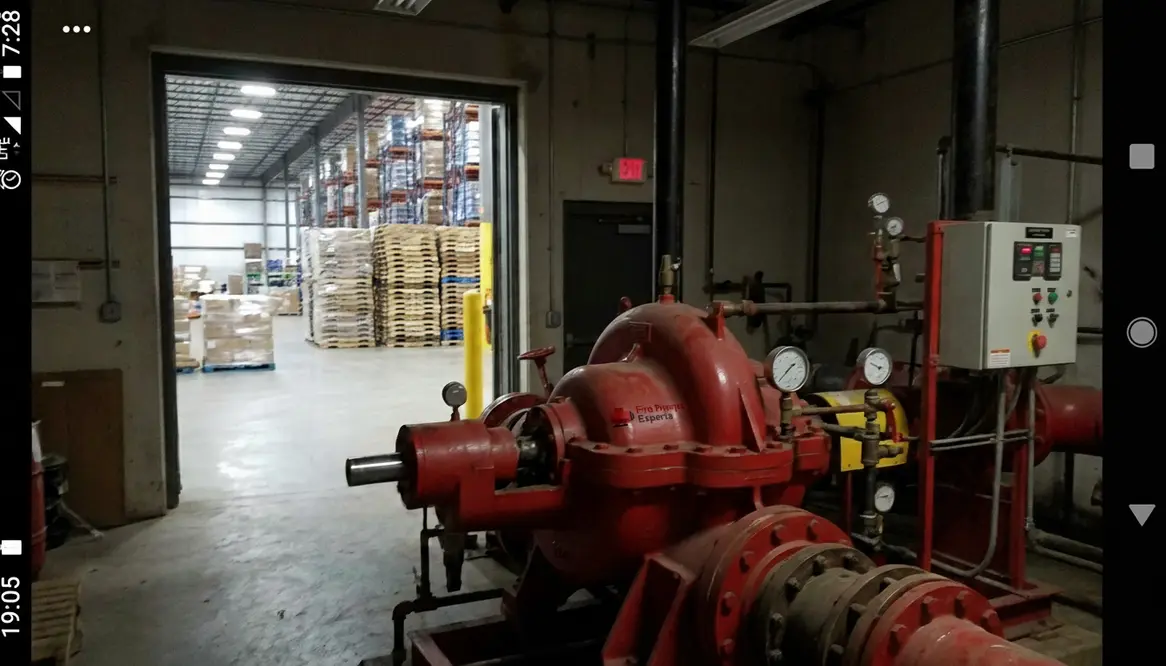
Fire Pump High Hazard Storage Fontana Guide
I have spent enough time around industrial properties to know one thing for certain: when risk goes up, complacency has no seat at the table. That is especially true when we talk about fire pump high hazard storage Fontana facilities. These are not your average warehouses. We are dealing with dense commodities, fast burning materials, and stakes that can climb faster than a summer electric bill in California. So today, I will walk you through the fire pump types that keep these facilities standing, calmly doing their job while everything else tries to fall apart.
What Makes High Hazard Storage in Fontana So Demanding?
Let me paint the picture. High hazard storage facilities pack materials tightly, stack them high, and often store items that burn hot and fast. Think plastics, chemicals, and tightly wrapped goods. As a result, fires here do not politely wait their turn. They sprint.
Because of that, fire protection systems must deliver water quickly and at high pressure. Moreover, local codes and NFPA standards require systems that can handle intense fire loads without hesitation. I like to think of it as the difference between a garden hose and a Hollywood action scene explosion response. One simply will not cut it.
Core Fire Pump Types for Fire Pump High Hazard Storage Fontana Facilities
Now we get to the heavy hitters. Each fire pump type plays a specific role, and choosing the right one depends on system demand, water supply, and facility design.
Horizontal Split Case Pumps
These are the workhorses. They deliver high flow rates efficiently and are easy to maintain. Because of their reliability, I often see them in large distribution centers. Additionally, they handle continuous operation well, which is crucial when every second matters.
Vertical Turbine Pumps
When the water source sits below ground, this pump steps in. It pulls water from wells or underground tanks with precision. In Fontana, where site conditions can vary, this pump often becomes the quiet hero nobody notices until it saves the day.
End Suction Pumps
These are compact and cost effective. However, they typically serve smaller high hazard areas or act as supplementary units. I like to call them the dependable sidekick. Not Batman, but definitely Robin on a good day.
In Line Pumps
These pumps fit neatly into tight mechanical rooms. While they are not always the first choice for large scale high hazard protection, they can support systems where space is limited. Think of them as the studio apartment solution in a world of industrial mansions.
How Do I Choose the Right Fire Pump for My Facility?
Here is where things get practical. Selecting a fire pump is not about picking the biggest machine and calling it a day. Instead, I always look at three key factors.
- Flow and pressure requirements determine how much water the system must deliver.
- Water supply conditions dictate whether we pull from a tank, city line, or underground source.
- Facility layout influences pump placement and system efficiency.
Furthermore, I consider future expansion. Because if your facility grows and your fire pump cannot keep up, that is a problem nobody wants to explain during an inspection.
Comparing Pump Strengths Side by Side
High Capacity Needs
- Horizontal split case pumps lead in flow rate
- Stable performance under long durations
- Ideal for large scale storage operations
Challenging Water Access
- Vertical turbine pumps handle deep sources
- Reliable for underground supply systems
- Adapt well to site constraints in Fontana
On the other hand, end suction and in line pumps fill in the gaps where space or budget requires flexibility. Together, they form a system that works like a well cast ensemble. Not every actor is the lead, but everyone matters.
Why Reliability Is Non Negotiable in High Hazard Environments
I have seen what happens when systems fail, and let me tell you, it is not a scene anyone wants to replay. Fire pumps in high hazard storage must start instantly and run without interruption. Therefore, regular testing and maintenance are essential.
Additionally, diesel and electric drivers each bring advantages. Diesel pumps operate independently of power failures, while electric pumps offer efficiency and lower emissions. Choosing between them often feels like picking between coffee and espresso. Both work, but the context decides which one you need.
Moreover, redundancy plays a major role. Backup pumps and controllers ensure that if one component fails, another takes over. Because in this line of work, hope is not a strategy.
Integrating Fire Pumps with Modern Protection Systems
Fire pumps do not work alone. They support sprinkler systems, foam systems, and advanced detection technologies. As a result, integration becomes critical. When everything communicates properly, response times improve and damage decreases.
In Fontana facilities, I often see systems designed with layered protection. For example, early suppression fast response sprinklers paired with strong pump performance create a powerful defense. It is like assembling the Avengers, except instead of saving the universe, we are protecting millions of dollars in assets and, more importantly, lives.
Why Fire Pump High Hazard Storage Fontana Planning Matters
If you are responsible for a high challenge facility, treating fire pump high hazard storage Fontana design like an afterthought is an excellent way to invite risk you do not need. Everything from commodity classification to storage height and aisle spacing affects how that pump has to perform when heat and smoke start rewriting the schedule for the day.
The right strategy makes sure water actually reaches the fire with the flow and pressure your sprinklers demand. Miss on that calculation, and a system that looked great on paper suddenly feels like a garden hose against a warehouse full of combustible reality. That is why bringing in teams that actually understand fire pump high hazard storage Fontana requirements, NFPA 13, and NFPA 20 is worth more than whatever shortcuts might save in the short term.
Conclusion: Building Confidence Through the Right Fire Pump Strategy
If you operate a commercial or industrial facility, investing in the right fire pump system is not optional. It is foundational. I recommend evaluating your current setup, consulting experienced professionals, and ensuring your system aligns with high hazard demands. When you take action now, you protect your property, your people, and your peace of mind. Reach out to experts who understand these environments and get your system where it needs to be. A solid plan for fire pump high hazard storage Fontana protection is one of the few investments you hope never gets tested, but you will be grateful for it if the day comes.
If you want to explore more about specialized fire pump strategies for challenging facilities, resources at https://firepumps.org can be a useful next stop before you sit down with your design team or contractor.