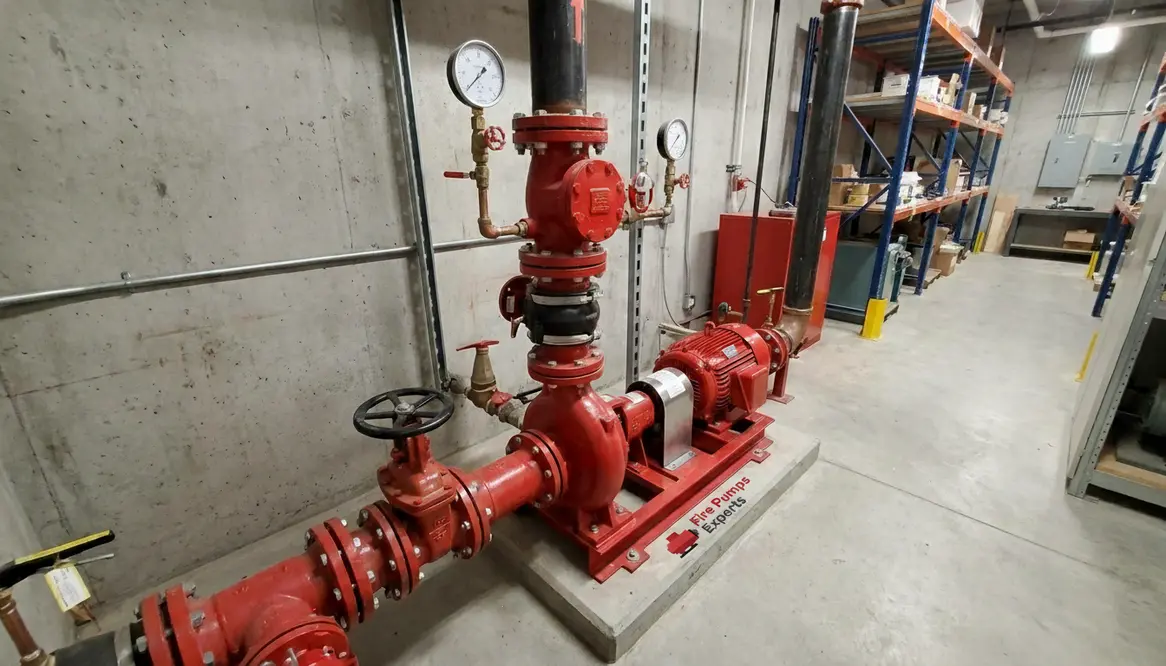
LPS 1131 Inline Fire Pump Requirements Guide
LPS 1131 Inline Fire Pump Requirements: when I talk about fire protection for commercial and industrial buildings, I start here. These requirements shape how an inline fire pump must perform, fit into the system, and support real life fire demand without drama. In plain terms, LPS 1131 helps me judge whether a pump will do the job when pressure drops and the system needs steady water flow. For major properties, that matters a great deal. A pump that looks fine on paper but fails in the field is just expensive furniture.
What I look for first in an inline fire pump
When I review an inline pump, I first check how it matches the building risk and the fire system design. The pump must support the needed flow and pressure, and it must do so under a range of operating conditions. Because these systems protect commercial and industrial sites, I focus on reliability, access, and clear installation layout.
I also make sure the pump suits the water supply and the demand profile. If the source pressure falls too low, the inline unit must still help the system hold up. That means I need the pump size, duty point, and connection details to line up with the site plan. In fire protection, details matter. The devil, as they say, is in the piping.
Key points I check include:
- correct pump duty for the system demand
- proper inlet and outlet arrangement
- clear space for service and inspection
- stable support and alignment
- system parts that match the approved design
Matching risk, system design, and pump choice
Every inline unit has a sweet spot where it performs reliably without strain. I compare that sweet spot to the fire strategy, sprinkler zone layout, and any special hazards on site. A modest office block and a high rack warehouse will not treat the same pump equally well.
The aim is simple: a pump that fits the LPS 1131 requirements, supports the worst credible fire in the building, and still has enough resilience to cope with supply fluctuations and realistic wear over time.
Getting the small details right
Strainers, isolating valves, check valves, and pressure gauges all need to be selected and located with the same care as the pump itself. The neatest inline pump install in the world will let you down if a cheap fitting seizes or a valve handle hides behind a structural column just when someone needs to reach it.
How LPS 1131 requirements shape installation decisions
LPS 1131 requirements do not stop at the pump itself. They guide how I place it, connect it, and protect it inside the overall fire system. That is why I look at the full install path, not just the shiny equipment sitting in the plant room like it owns the place.
Access and layout
First, I want the inline pump installed where technicians can reach it without a rescue mission. Then I check that the pipework supports the pump without strain. Poor support can cause vibration, wear, and trouble that shows up later at the worst possible time. Also, I review controls, test points, and valve access so the team can inspect the system with ease.
Service-friendly design
Because these pumps serve larger facilities, the layout must support fast maintenance. A cramped install slows work and raises risk. So, I always push for clean access, proper labeling, and enough room around the unit for routine checks and future service.
When the layout reflects the LPS 1131 requirements properly, technicians can trace pipework, isolate sections, and test components without acrobatics. That is the difference between a system that looks impressive in a photograph and a system that behaves itself during a real incident.
What LPS 1131 inline fire pump requirements mean for performance
LPS 1131 inline fire pump requirements focus on more than hardware. They also protect performance under fire conditions. I want the pump to start when needed, hold pressure properly, and respond as the system demand changes. If the pump hesitates, the building does not get a second take.
Performance checks should confirm that the pump can meet the design curve and maintain dependable output. I also pay close attention to motor control, power supply reliability, and test results. For commercial and industrial facilities, power loss or weak performance can create serious exposure. Therefore, the system must work as a whole, not as separate parts pretending to be a team.
Core performance checks at a glance
| Area | What I verify |
| Flow | The pump meets the required water volume |
| Pressure | The pump supports system pressure at duty point |
| Controls | The unit starts and signals correctly |
| Maintenance | The design allows safe checks and testing |
That kind of review keeps the system practical, dependable, and ready for use. And yes, boring paperwork can save the day. Life does love a plot twist.
How I keep the system ready for real world use
Once the pump is installed, I do not treat the work as finished. Instead, I focus on readiness over time. Fire protection equipment must stay useful long after the ribbon cutting, long after the coffee in the control room gets cold, and long after the original installer has moved on to the next job.
Testing, inspection, and early fixes
I look at inspection routines, test schedules, and repair planning. Regular testing shows whether the pump still performs as intended. In addition, I check for signs of wear, unusual noise, leaks, and control issues. Small problems often start quietly, then grow into costly repairs. That is why I prefer early action over heroic last minute fixes.
Helping the site team spot trouble
I also make sure the site team understands the pump’s role in the full fire strategy. When facility staff know what normal looks like, they spot trouble faster. That kind of awareness helps protect offices, warehouses, plants, and major properties that cannot afford avoidable downtime.
Linking those routines back to the LPS 1131 requirements keeps everyone aligned on why the tests matter, not just when they appear on the calendar.
How I use expert guidance for better compliance
When a project feels complex, I lean on trusted references and specialists who know commercial fire pump systems well. For deeper support, I often look to this guide on LPS 1131 inline fire pump requirements to help align design, review, and service planning. That extra layer of review helps me avoid guesswork, and guesswork has no place in fire protection.
For major properties and industrial sites, the goal stays the same. I want a pump system that meets the rule set, supports the building risk, and stays dependable under pressure. So, I check the design, verify the install, and keep the maintenance plan honest. A fire pump should be ready for the worst day, not just the best inspection report. When the LPS 1131 requirements sit at the heart of that plan, the odds of an ugly surprise drop sharply.
FAQ
Conclusion
If you manage a commercial or industrial property, I recommend taking LPS 1131 inline fire pump requirements seriously from the start. A strong design, clean installation, and steady maintenance plan can protect people, property, and operations when it matters most. If you want a more confident review, I suggest you assess your current system now, compare it to the standard, and bring in expert support before small issues turn into costly surprises.