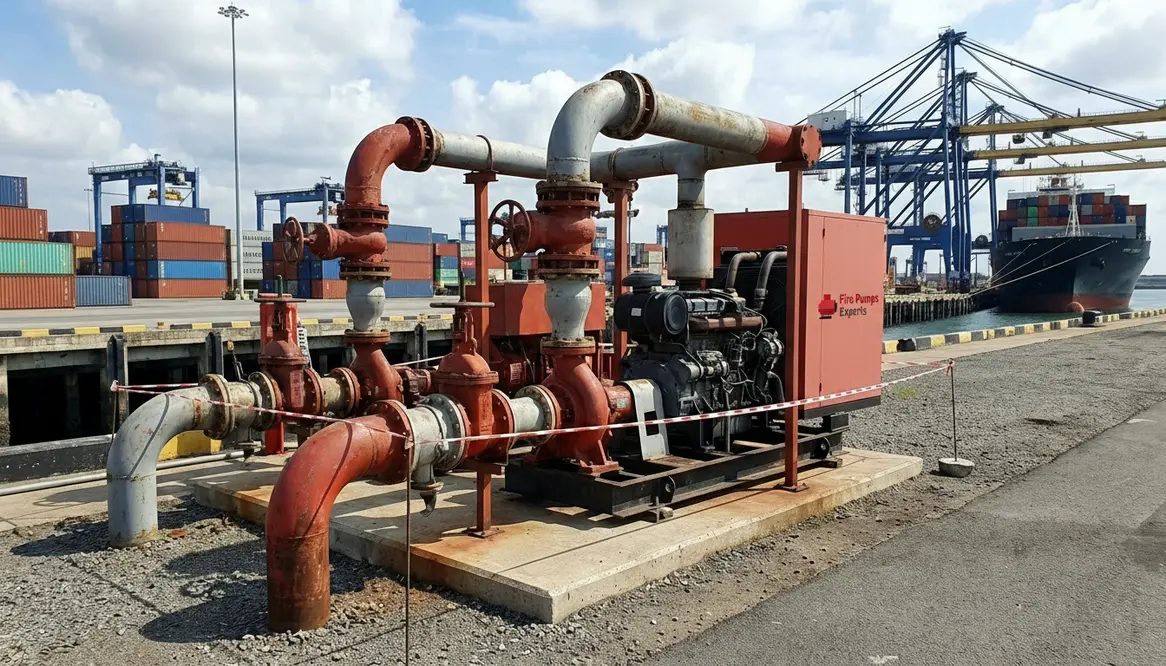
Port Fire Pump Australia Guide for Reliable Systems
I have spent years around industrial sites where silence can turn into sirens in seconds. Ports sit right at that edge. They move fuel, cargo, chemicals, and a whole lot of risk. So when I talk about a port fire pump Australia solution, I am not talking about a piece of equipment. I am talking about the line between control and chaos. And yes, choosing the right one matters more than most people expect. It is not glamorous work, but neither was Batman’s utility belt, and that thing saved Gotham more than once.
Why Fire Pump Selection at Ports Is a Different Beast
Ports are not your average facility. They stretch across large areas, deal with corrosive salt air, and operate around the clock. Because of that, I always approach fire pump selection with a different mindset. For one, response time must be immediate. Secondly, reliability must be non negotiable.
Moreover, the water supply at ports can vary. Sometimes I am dealing with seawater systems, other times with stored freshwater reserves. Each comes with its own engineering considerations. Therefore, material selection, pump design, and corrosion resistance become central to the conversation.
And let us be honest, if a pump fails during an emergency, no one is going to shrug and say “well, we tried.” This is not a dress rehearsal.
What Should I Look for in a Port Fire Pump Australia Setup?
I get this question a lot, and I always keep the answer grounded. First, I look at compliance. Australian standards, particularly AS 2941, guide much of the system design. However, compliance alone is not enough. I want performance beyond the minimum.
Next, I consider flow rate and pressure requirements. Ports often need high capacity pumps because of the scale involved. Additionally, redundancy plays a key role. I prefer systems that include backup pumps, because relying on a single unit feels like trusting one WiFi bar during a Zoom call. Risky.
Finally, I evaluate environmental durability. Salt exposure can quietly destroy components over time. So, coatings, stainless materials, and proper sealing are essential.
Core Components That Actually Matter
Not every component deserves equal attention. Some parts carry more weight in real world performance.
Pump Type
I often recommend split case or vertical turbine pumps for port environments. They handle high demand well and offer strong reliability.
Driver System
Electric motors work where power is stable. However, diesel drivers step in when reliability must not depend on the grid.
Control Panels
These act as the brain. A smart control panel ensures fast activation and clear diagnostics.
Pipework and Valves
Durability here is critical. Poor quality piping can undermine even the best pump.
When these components work together, the system becomes more than a checklist. It becomes dependable.
Designing for Scale and Risk
Ports are not compact facilities. They stretch, expand, and evolve. Because of this, I always design with scalability in mind. A system that works today should still perform years down the line.
Additionally, hazard mapping plays a huge role. Fuel storage areas, container stacks, and loading zones each present different fire risks. So I align pump capacity and distribution with those zones. It is a bit like casting a movie. You would not put a comedian in a horror lead role. Each element needs to fit its purpose.
Furthermore, integration with suppression systems such as hydrants, deluge systems, and monitors ensures complete coverage. A pump alone does not stop a fire. The system does.
Maintenance Is Where Systems Prove Their Worth
Here is where theory meets reality. Even the best marine fire pump systems in Australia will fail without proper maintenance. I always stress routine testing. Weekly churn tests and regular inspections keep surprises away.
In addition, ports operate in harsh environments. Salt, humidity, and constant use wear things down. So proactive servicing is not optional. It is essential.
And yes, skipping maintenance might save money short term. But it usually ends with a repair bill that feels like a plot twist no one wanted.
How I Balance Cost and Performance
Budgets are real. I respect that. However, I never chase the lowest cost when it comes to fire protection. Instead, I focus on value.
A well designed port fire pump Australia system should last years with consistent performance. That means investing in quality components upfront. At the same time, I look for efficiencies in design, such as optimized layouts and energy conscious drivers.
In the long run, a reliable system costs less than one that constantly needs fixing. It is the difference between buying a solid pair of boots and replacing cheap ones every few months.
FAQ
When people explore options for a port fire pump Australia solution, the same questions tend to come up. These are the ones I hear most often.
Final Thoughts and Next Steps
Choosing the right system is not just a technical task. It is a responsibility. When I help design or select a fire pump solution, I think about the people, the assets, and the operations depending on it. If you are planning or upgrading a system, now is the time to act. Reach out, ask the right questions, and build something that will stand strong when it matters most.