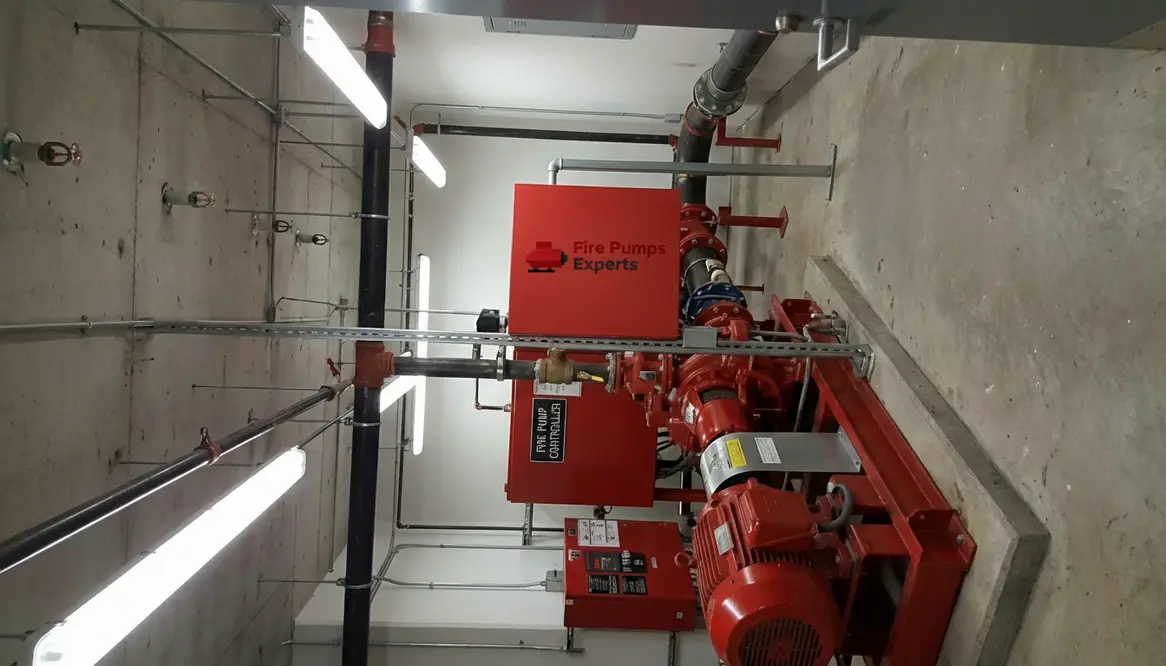
NFPA 13 Fire Pump Requirements for Sprinkler Systems
How properly integrated fire pumps quietly hold the line when your sprinkler system is under its greatest stress.
I have always found something quietly powerful about a well designed fire protection system. It sits there, unnoticed, until the moment it is needed most. And when we talk about NFPA 13 fire pump requirements sprinkler systems, we are stepping into the backbone of that quiet reliability. In large commercial and industrial buildings, where risk scales quickly, integrating fire pumps with sprinkler systems is not just a design choice. It is a responsibility. So, let me walk you through how this integration works, why it matters, and how to get it right without putting your system to sleep like a late night documentary.
Quick context: NFPA 13 lays out how sprinkler systems must perform. When the available water supply cannot naturally hit those requirements, fire pumps step in as the pressure and flow enforcers.
How do fire pumps actually support sprinkler systems in large facilities?
At its core, a fire pump exists to solve one problem. Pressure. Or more accurately, the lack of it when demand spikes. In high rise buildings, warehouses, and industrial plants, municipal water supply often cannot meet the pressure and flow required during a fire event. That is where the pump steps in, like the understudy who ends up stealing the show.
When a sprinkler head activates, water demand increases instantly. Therefore, the fire pump detects a pressure drop and starts automatically. It boosts water flow to ensure every open sprinkler head performs as designed. Without this boost, even the best sprinkler layout becomes a very expensive ceiling decoration.
In addition, integration means synchronization. Controllers, pressure sensors, and backflow devices must work together smoothly. Otherwise, you end up with delays or failures that no facility manager wants to explain at 3 a.m.
Why pressure and flow matter more than equipment lists
A common misunderstanding is treating the pump as a standalone box on the plans. In reality, its entire purpose is tied to achieving the performance criteria set by NFPA 13 fire pump requirements sprinkler systems demand for specific hazards. If the system cannot deliver adequate pressure and flow at the most remote sprinkler, nothing else about the design really matters.
Understanding NFPA 13 fire pump requirements sprinkler systems in practice
I have seen many designs that look perfect on paper but struggle in real conditions. The NFPA 13 fire pump requirements sprinkler systems guidelines focus on making sure that does not happen. They define how systems must perform under real fire scenarios, not just ideal ones.
For commercial and industrial properties, this means:
Accurate demand calculation
First, I calculate the required flow and pressure based on hazard classification. A warehouse storing plastics behaves very differently from an office building. Therefore, the pump must match the worst case demand.
Reliable water supply
Next, I confirm the water source. Whether it is a city main, tank, or reservoir, it must sustain the pump for the required duration. No shortcuts here. Fire does not accept partial credit.
Proper pump selection
Then comes choosing the right pump type. Electric, diesel, or even vertical turbine. Each has its place depending on site conditions. And yes, picking the wrong one is like casting the wrong superhero. It still shows up, but it does not save the day.
Key integration components that must work together
Integration is not about adding parts. It is about making them communicate. In large scale buildings, every component plays a role in system performance.
Core Components
- Fire pump and driver
- Pump controller
- Jockey pump for pressure maintenance
- Backflow preventer
- Main control valves
System Functions
- Maintain steady system pressure
- Trigger automatic pump start
- Prevent contamination of water supply
- Allow isolation for maintenance
- Ensure consistent water delivery
Meanwhile, coordination between these elements ensures the system responds instantly. If one part lags, the whole system feels it. It is a bit like a band. If the drummer loses rhythm, everyone notices.
Where integration and compliance intersect
NFPA 13 fire pump requirements sprinkler systems rely on this integration working flawlessly in the background. It is not enough to have the right components; they must be arranged, controlled, and maintained so that the system behaves predictably when the heat and demand hit their peak.
Common integration mistakes I see in commercial buildings
Now, here is where things get interesting. Or concerning, depending on your perspective.
Undersized pumps
First, undersized pumps remain a frequent issue. Designers sometimes rely on outdated data or underestimate future building use. As a result, the system cannot meet demand when it matters most.
Poor controller setup
Second, poor controller setup causes delays. If the pump does not start at the right pressure threshold, response time suffers. And in fire protection, seconds are not just numbers. They are outcomes.
Ignoring testing and commissioning
Third, ignoring system testing is a classic mistake. Even a perfect installation can fail without regular testing and commissioning. Think of it like owning a high performance car and never starting the engine.
Lack of coordination between trades
Finally, lack of coordination between trades creates gaps. Electrical, mechanical, and fire protection teams must align. Otherwise, integration becomes fragmentation.
Designing for long term reliability and compliance
I always approach design with one question in mind. Will this system still perform ten years from now under stress? Because compliance is not just about passing inspection today. It is about surviving real world conditions tomorrow.
To meet NFPA 13 fire pump requirements sprinkler systems expectations, I focus on durability and accessibility. Pumps must be easy to inspect, controllers must be protected yet reachable, and system layouts must allow for maintenance without shutting everything down.
Additionally, I plan for redundancy where needed. In large industrial facilities, downtime is costly. Therefore, having backup power or secondary pumps can make a significant difference.
And yes, documentation matters. Clear records of testing, installation, and performance help ensure ongoing compliance. Plus, they make audits far less painful. Nobody enjoys digging through paperwork like it is an archaeological dig.
Turning standards into real world protection
When applied well, NFPA 13 fire pump requirements sprinkler systems do not feel like a checklist. They become the framework for a system that reacts instantly and predictably instead of improvising under pressure.
Conclusion
If you are managing or developing a commercial or industrial property, now is the time to take a closer look at your fire pump and sprinkler integration. A well designed system protects lives, assets, and operations without hesitation. Reach out to experts who understand the full scope of compliance and performance. Because when fire protection works, it does not ask for applause. It simply does its job, exactly when it matters most.
FAQ
For deeper technical guidance on pumps, controls, and sprinkler performance, resources such as https://firepumps.org can help support design and maintenance decisions that keep your system ready for the moment it is needed.