NFPA 101 Fire Pump Life Safety Role Explained
I have spent years around fire protection systems, and if there is one component that quietly carries the weight of life safety, it is the fire pump. Within the broader conversation of the NFPA 101 fire pump life safety role, this piece of equipment stands as the difference between a controlled emergency and a headline. It does not ask for attention. It simply waits, like a seasoned bodyguard in a movie, ready to act when everything else goes wrong. And in commercial and industrial facilities, that moment matters more than most people realize.
What does a fire pump actually do in a life safety system
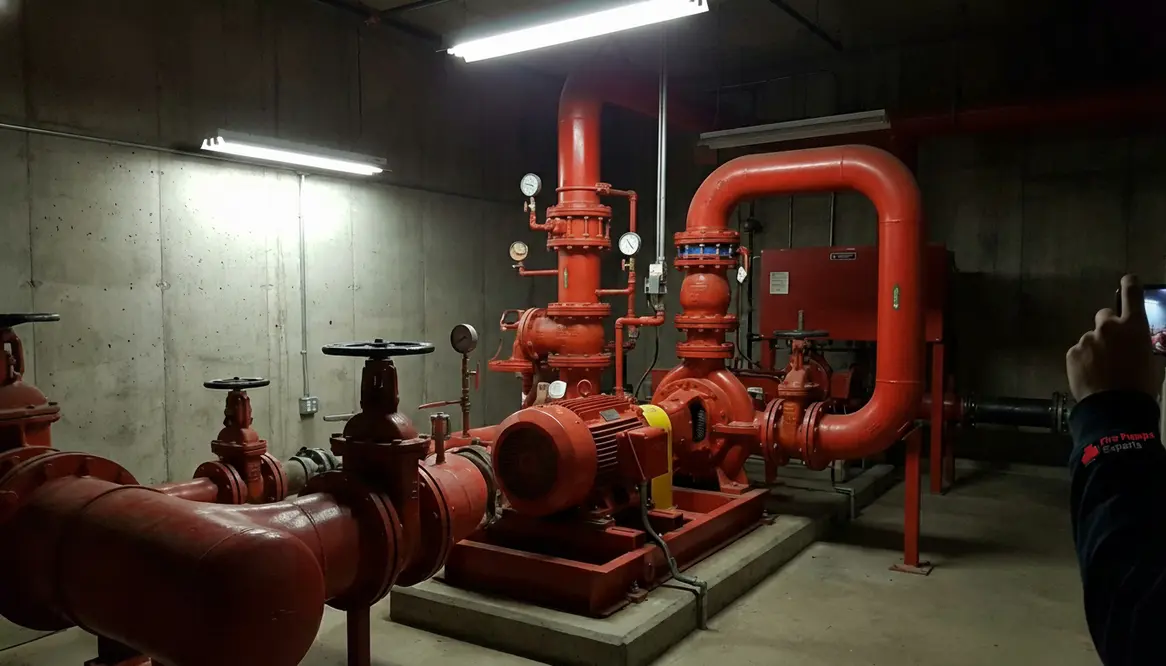
Let me put it plainly. A fire pump ensures that water moves with enough pressure and flow to suppress a fire when municipal supply falls short. In large commercial buildings, high rises, warehouses, and industrial plants, gravity alone does not cut it. Therefore, the pump steps in and delivers water exactly where it is needed, at the right force, and without hesitation.
Moreover, the NFPA 101 fire pump life safety role ties directly into occupant protection. Sprinklers and standpipes depend on consistent pressure. Without it, even the best designed system becomes a decorative network of pipes. And nobody installs a fire protection system for decoration, unless they also think Batman fights crime with strongly worded emails.
Why commercial buildings depend on reliable pump performance
In commercial and industrial settings, scale changes everything. A small dip in pressure can mean the difference between containing a fire in one room or watching it spread across multiple floors. Consequently, reliability becomes non negotiable.
These buildings often house expensive equipment, critical operations, and large occupant loads. Because of that, the fire pump must perform under stress without delay. I have seen facilities where redundancy, backup power, and regular testing turn a potential disaster into a controlled incident. On the other hand, I have also seen what happens when maintenance gets skipped. Spoiler alert. It is not pretty.
Additionally, NFPA 101 aligns life safety expectations with system readiness. That means fire pumps are not just mechanical assets. They are life safety tools that must function instantly, every single time.
How the NFPA 101 fire pump life safety role supports safe evacuation
When a fire starts, time becomes the most valuable currency in the building. The faster a system controls heat and smoke, the more time occupants have to exit safely. Therefore, the fire pump directly supports evacuation by keeping suppression systems effective from the first second.
Furthermore, standpipe systems rely on that same pressure to support firefighting efforts. Fire crews do not have time to wonder if the system will cooperate. They expect it to perform. And rightly so.
In this way, the NFPA 101 fire pump life safety role extends beyond equipment. It becomes part of the building’s overall emergency strategy. It supports visibility, reduces heat, and limits structural damage, all while buying precious minutes.
Key components that make or break performance
Power supply
A fire pump without reliable power is like a sports car without fuel. Electric or diesel options must be chosen carefully based on facility needs.
Controllers
Controllers act as the brain. They detect pressure drops and start the pump automatically. No human intervention required.
Testing systems
Regular testing ensures performance stays consistent. Skipping tests is like ignoring a check engine light for months.
Water supply integration
The pump must work seamlessly with tanks or municipal feeds. Any mismatch can reduce effectiveness.
Each component plays a role, and together they form a system that must respond instantly. If one part fails, the entire chain weakens. That is why experienced facility managers treat fire pumps with the same respect they give mission critical equipment.
Common mistakes I see in industrial and commercial properties
First, neglecting routine maintenance. It sounds basic, yet it happens more often than anyone likes to admit. Secondly, improper system sizing. A pump that is too small or too large creates performance issues that show up at the worst possible time.
Then there is poor documentation. Without clear records, troubleshooting becomes guesswork. And guesswork has no place in life safety systems.
Finally, some facilities treat compliance as a checkbox instead of a mindset. NFPA 101 sets the baseline, not the finish line. If your approach stops at minimum compliance, you are leaving safety on the table.
How I approach fire pump readiness in large facilities
I focus on consistency. Regular inspections, documented testing, and system reviews keep everything aligned. Additionally, I look at how the fire pump integrates with the entire protection system, not just as a standalone unit.
I also recommend working with specialists who understand commercial and industrial demands. These environments are complex. They require expertise that goes beyond basic installation. After all, you would not ask your local barista to tune a jet engine, even if they make a fantastic latte.
When done right, the system becomes almost invisible. It sits quietly, ready to respond, without drawing attention. And that is exactly how it should be.
If you want to understand more about how fire pumps fit into broader fire protection strategies, resources such as https://firepumps.org can provide additional context and guidance that aligns with NFPA expectations.
Putting the NFPA 101 fire pump life safety role into perspective
All of this circles back to the NFPA 101 fire pump life safety role and how it quietly shapes building performance during an emergency. Sprinklers, standpipes, and firefighting operations all depend on that consistent, reliable pressure, especially when municipal systems cannot keep up.
When facility teams treat the fire pump as a serious life safety asset, they are not just protecting equipment or property. They are protecting the people who walk through the doors every day. That is the real weight carried by the NFPA 101 fire pump life safety role, even when nobody is talking about it.
FAQ
Conclusion
If you manage or own a commercial or industrial facility, do not leave your fire pump to chance. Treat it as a core part of your life safety strategy. Partner with experts who understand the demands of large scale systems and can keep everything running at peak performance. When the moment comes, your system should not hesitate. It should act. And with the right support, it will.