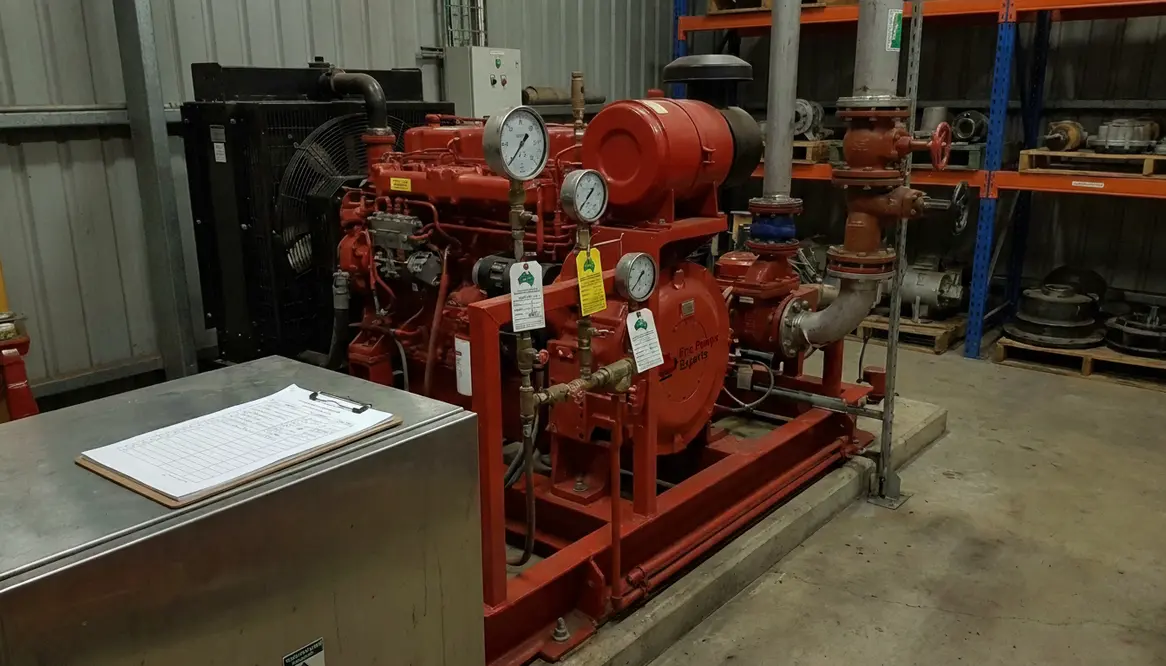
AS 2941 Fire Pump Compliance for Commercial Buildings
AS 2941 Fire Pump Compliance Guide for Commercial and Industrial Buildings
I have seen plenty of fire safety systems in my time, and I can tell you this much: AS 2941 compliance is not the sort of topic that makes people cheer at lunch. Still, if you manage a commercial tower, warehouse, hospital, plant, or other major property, it matters a great deal. A fire pump is not decoration. It is the muscle behind your sprinkler and hydrant system, and when the pressure drops, that muscle had better wake up fast. In this guide, I will walk through what compliance means, why it matters, and how I keep the process clear, calm, and practical.
What AS 2941 compliance means for your fire pump system
AS 2941 compliance sets the rules for the design, installation, testing, and maintenance of fire pumps in Australia. In plain language, it tells me how to make sure the pump can deliver the water flow and pressure a building needs during a fire. For commercial and industrial sites, that is not optional. The system must work under stress, during low power, and in the middle of a crisis when everyone else is trying to remember where the exit signs are.
Fire pumps often support hydrant and sprinkler systems, so I treat them as part of a larger life safety chain. If one link fails, the whole setup can suffer. Therefore, compliance is not just about ticking a box. It is about keeping the building ready for real world use.
How I check the main AS 2941 fire pump requirements
When I review a site, I look at the core parts first. That keeps the process simple and helps me spot problems before they grow legs and run away.
The main checks include:
- Pump selection to match the building demand and system type
- Water supply so the pump has enough flow and reserve
- Power source including electric and diesel backup where needed
- Controller setup so the pump starts fast and runs correctly
- Pipework and valves to reduce loss and avoid poor flow
- Testing access so teams can inspect and service the unit
Each part affects the rest. For example, a strong pump will still fail the job if the suction line is weak or the controller is not set right. That is why I never look at one item in isolation. I want the whole system to behave like a well run team, not a movie cast with creative differences.
Installation and design tips I use for safer results
Good design starts long before the pump arrives on site. First, I make sure the fire engineer, builder, and service team agree on the required performance. Then I check the room layout, ventilation, drainage, and access. These details may sound small, yet they decide whether the pump stays reliable over time.
Here is a simple two column view of what I focus on during early planning:
Design area
Why it matters
Pump room size
Ventilation
Drainage
Noise and vibration
Gives safe access for service and repairs
Helps control heat and protect equipment
Reduces flood risk after testing or leaks
Limits wear and keeps nearby areas usable
Also, I pay close attention to emergency power. If the main supply fails, the pump still has to do its job. That is where backup systems come in, and they must be ready before anyone needs them. In a large facility, that kind of planning can save both assets and headaches.
Testing, maintenance, and records during AS 2941 compliance
Testing is where theory meets reality, and reality is usually less polite. I recommend regular checks of pressure, flow, start function, alarms, and controller health. A pump can look fine on paper and still fail under load. That is why live testing matters.
Maintenance should follow a clear schedule. I look for signs of wear, leaks, corrosion, battery trouble, fuel issues, and control faults. I also keep records of every test and repair. Good records help prove compliance, guide future work, and reduce risk during audits or insurance reviews.
If you want support from a specialist team, I suggest reviewing the Kord Fire pump services as a useful reference for commercial and industrial fire pump work. In addition, for a broader local service example, you can view los angeles fire pump compliance support.
Common fire pump problems I see in large buildings
In the field, I keep seeing the same trouble spots. First, some sites inherit old equipment that no longer matches the current load. Next, others skip routine testing because the pump has “always been fine,” which is a bit like trusting a smoke alarm because it looks friendly. That is not a strategy.
Common issues include:
- Pumps that no longer meet system demand
- Poor suction conditions that limit performance
- Controllers with failed alarms or weak batteries
- Blocked access that slows down maintenance
- Missing or incomplete service records
To avoid these problems, I push for regular review, clear ownership, and quick action when faults appear. A small fix now is cheaper than a major shutdown later. And for a large commercial property, downtime can cost more than the repair itself.
AS 2941 compliance FAQ
Conclusion and next step
If you manage a major commercial or industrial site, I recommend treating AS 2941 compliance as an active part of risk control, not a once a year worry. Review your fire pump system, check the records, and fix weak points before they become costly problems. If you need expert help, reach out to a trusted fire pump team that understands large buildings and serious compliance work. A strong system brings peace of mind, and in fire safety, that is worth its weight in steel.
If your priority is AS 2941 fire pump compliance, the best results come from keeping design, installation, testing, and maintenance aligned over time.