AS 2941 Fire Pump Requirements Explained
When I talk about AS 2941 fire pumps, I am talking about the backbone of fire protection for commercial and industrial sites. These systems do not sit around for applause. They wait for the worst day, then they work like the final scene in a hero movie, only with more pressure and less drama. If you manage a warehouse, plant, high rise, or major property, you need to know what this standard expects. I will walk you through the key rules, the real world checks, and the places where owners often slip up.
What AS 2941 means for my building
AS 2941 sets the rules for fire pump sets used in fire protection systems. In simple terms, it tells me how to choose, install, test, and maintain the pump so it performs when water must move fast and under pressure. This standard matters most in large commercial and industrial buildings where a weak supply can turn a small fire into a very expensive headline.
In practice, I use this standard to confirm that the pump can support sprinklers, hydrants, or other fire systems without dropping the pressure. I also make sure the pump room, power source, controls, and access all match the job. If any one of those parts fails, the system becomes a very fancy paperweight. And frankly, nobody wants that kind of surprise.
How I check the pump set before installation
Before I install anything, I look at the water demand, the site layout, and the fire risk. Then I match the pump size and type to the building needs. This step matters because a pump that is too small will struggle, while one that is oversized may waste energy and wear out faster than a streaming service free trial.
Here is the basic checklist I follow:
- Confirm the required flow and pressure
- Check the water source and suction conditions
- Review the pump type, driver, and controller
- Make sure the room has safe access and enough space
- Verify power and backup arrangements
After that, I look at the piping and valves. I want clean suction lines, proper supports, and no layout issues that could cause air locks or vibration. Vibration may sound minor, but over time it can wear out parts and ruin reliability. The system should feel solid, not like a folding chair at a family reunion.
What AS 2941 fire pumps need in a pump room
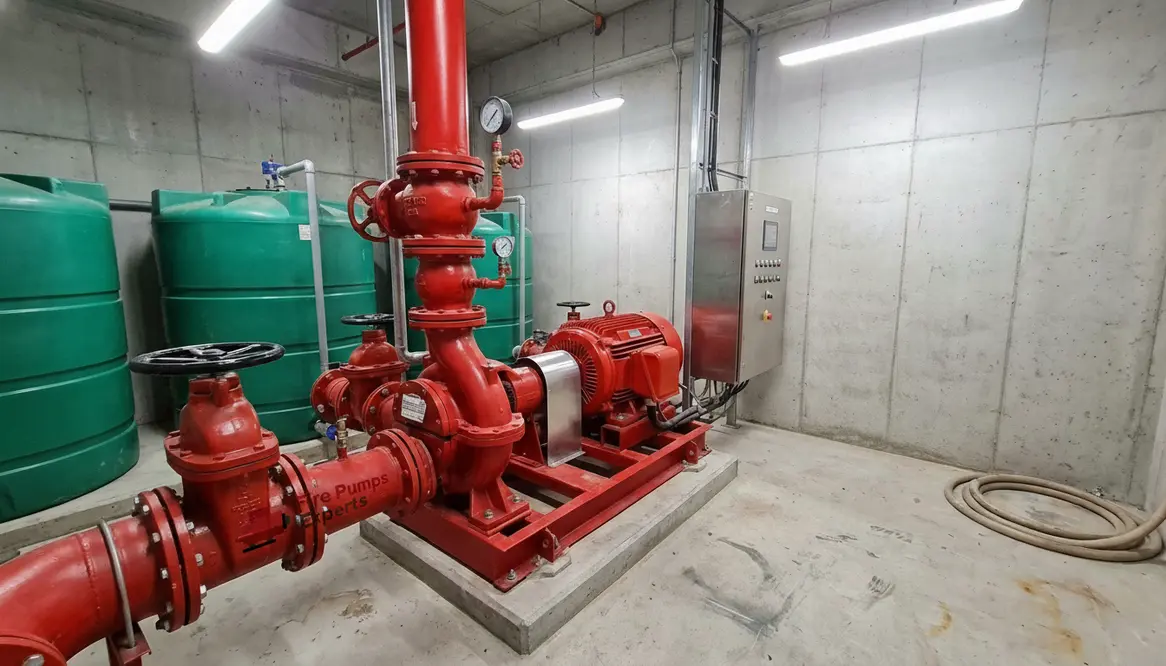
The pump room plays a bigger role than many owners expect. It must protect the equipment, allow easy inspection, and support fast response during an emergency. So, I check ventilation, lighting, drainage, fire separation, and clear working space around the set. If the room is cramped or hard to reach, the system can become difficult to test and maintain.
For reference, I often review commercial fire pump solutions from Kord Fire when I need a practical view of pump room setup and service support for major properties. That helps me compare layout choices and keep the system focused on real site needs.
For fire protection work, I always keep the room simple, open, and safe. Good access helps with service, and good service helps the pump stay ready. That sounds obvious, yet you would be amazed how often a simple access issue turns into a maintenance headache.
Dual column view of the main compliance checks
Here is a simple side by side view of what I check and why it matters.
Compliance Check
- Pump capacity
- Driver type
- Controller function
- Pipe sizing
- Alarm response
- Routine testing
Why it matters
- Keeps pressure steady
- Supports the fire load
- Starts the pump on demand
- Reduces loss and strain
- Signals faults fast
- Proves the system still works
When I review these points together, I get a clear picture of system health. Also, I can spot small issues before they grow teeth. That is the real win with compliance.
How I keep the pump reliable over time
Testing and maintenance keep the system honest. I do not wait until something smells strange or sounds wrong. Instead, I follow a regular schedule for starts, flow checks, battery checks where needed, pressure checks, and visual inspections. These tests help me find wear, leaks, low fuel issues, valve problems, and control faults before the system faces a real fire.
I also watch for changes in the building. A new tenant, a larger process load, or a layout change can affect fire demand. So, I treat the pump as part of the whole site, not a lonely machine in a room nobody visits unless something goes wrong. That mindset keeps major properties safer and keeps compliance on track.
If you need a deeper service view, I also recommend reviewing los angeles fire pump services for a practical example of how commercial fire pump support is presented for larger facilities.
FAQ
Quick answers on AS 2941 fire pumps
Short, practical responses to the questions I hear most often.
Final thoughts and next step
If I want a fire system that works when the pressure is on, I need to treat AS 2941 as more than a rulebook. I need to match the pump to the site, protect the pump room, and keep testing on schedule. That is how I reduce risk and protect people, assets, and business continuity. If your facility needs review, I suggest taking the next step now and having your fire pump system checked by a qualified team.