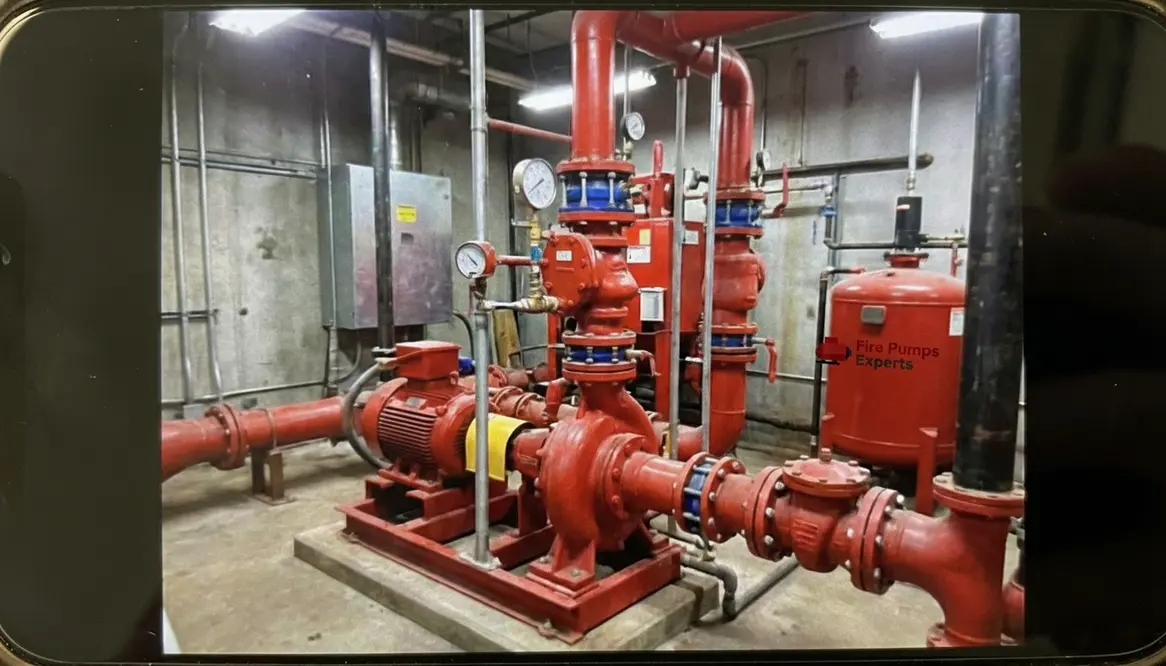
NFPA 16 Fire Pump Foam Systems Guide
I have spent years around fire protection systems, and if there is one thing I have learned, it is this: when foam is involved, there is no room for guesswork. NFPA 16 fire pump foam systems sit at the center of high hazard protection in commercial and industrial facilities, where flammable liquids do not politely stay contained. They demand precision, discipline, and a pump that shows up ready to work, every single time. So let me walk you through what really matters, without the fluff, and maybe with a chuckle or two along the way.
What makes fire pump requirements different for foam systems?
Foam systems are not your average sprinkler setup. They are designed to smother fire, not just cool it. Therefore, the pump must support both water flow and foam concentrate proportioning. That combination changes the game.
First, the pump must maintain a steady and reliable pressure that aligns with the proportioning equipment. If pressure fluctuates, the foam mix becomes inconsistent. And inconsistent foam is about as useful as bringing a garden hose to a refinery fire.
Additionally, flow demand tends to be higher in these systems. Large hazard areas like aircraft hangars or chemical plants require wide coverage. As a result, the pump must sustain high flow rates for extended durations without performance drop off.
Finally, compatibility matters. Materials inside the pump and connected piping must handle foam concentrate without degradation. Because if your system starts corroding from the inside, you are not fighting fire. You are inviting it back.
Understanding NFPA 16 fire pump foam systems in real world applications
In my experience, theory is nice, but reality is where systems earn their keep. NFPA 16 fire pump foam systems are commonly installed in places where risk is not just high, it is inevitable. Think fuel storage terminals, manufacturing plants, and large scale warehouses storing volatile materials.
In these environments, the fire pump must do more than start. It must deliver calculated performance under stress. For example, foam discharge devices like monitors or foam chambers require precise pressure to operate effectively. Too little pressure, and the foam falls short. Too much, and you risk damaging equipment.
Moreover, system designers must consider simultaneous demand. A facility might need multiple discharge points operating at once. That means the pump must be sized not just for one scenario, but for the worst credible scenario. It is a bit like planning for rush hour traffic, except the stakes are significantly higher.
How do I size a fire pump for a foam system?
I get this question often, and the answer is refreshingly straightforward, though not simple. You size the pump based on total system demand, including foam solution flow and required pressure at the most remote discharge point.
Start by calculating the required application rate. This depends on the hazard type and foam used. Then, determine the total area that needs protection. Multiply those, and you get your flow requirement.
Next, factor in pressure losses. These include friction loss in piping, elevation changes, and losses through proportioning equipment. Add those to the required discharge pressure, and you arrive at the total dynamic pressure the pump must provide.
However, do not stop there. I always recommend building in a safety margin. Because in real life, systems age, valves stick, and surprises happen. And trust me, fire is already enough of a surprise.
Key components that influence pump performance
Proportioning Equipment
This device ensures the correct mix of foam concentrate and water. It relies heavily on stable pressure and flow from the pump.
Foam Concentrate Quality
Different concentrates have different viscosities. That affects how easily they mix and flow through the system.
Discharge Devices
Monitors, sprinklers, and chambers all have specific pressure requirements. The pump must satisfy all of them simultaneously.
System Layout
Long pipe runs and elevation changes increase pressure demand. The pump must overcome these without hesitation.
Common mistakes I see in commercial and industrial projects
Now, let me save you from a few headaches. One common mistake is underestimating demand. Designers sometimes size pumps for average conditions instead of peak scenarios. That is like bringing a sedan to a demolition derby.
Another issue is ignoring testing and maintenance requirements. NFPA 16 aligns with regular testing expectations, and the pump must be capable of running those tests without disrupting operations. If your facility cannot test its system properly, you are essentially flying blind.
Then there is integration. Foam systems often tie into broader fire protection strategies. If the pump does not integrate well with alarms, controls, and backup power, you create weak links. And fire, as we know, loves a weak link.
Why reliability is non negotiable
I always say this with a straight face because it deserves one. Reliability is everything. A fire pump in a foam system is not a decorative piece. It is the heartbeat of the entire operation.
To achieve that reliability, facilities must invest in quality components, proper installation, and regular maintenance. Redundancy also plays a role. Many high hazard facilities include backup pumps or power sources to ensure operation under any condition.
And yes, it might feel like overkill. Until the day it is not. At that point, you will be glad your system was built like a tank instead of a house of cards.
FAQ
Final thoughts and next steps
If you are responsible for protecting a commercial or industrial facility, this is not the place to cut corners. The right fire pump setup ensures your foam system performs exactly when it matters most. At https://firepumps.org, we focus on delivering solutions built for serious environments and real world risks. Reach out today, and let us make sure your system is ready to perform, not just exist.