NFPA 15 Fire Pump Water Spray System Design Guide
I have spent enough time around fire protection systems to know one thing for sure. Water behaves a lot like people. Give it direction, purpose, and a little pressure, and it will do remarkable things. That is exactly where NFPA 15 fire pump water spray systems come into play. In large commercial and industrial facilities, where hazards are anything but small, these systems act with quiet authority. They do not panic. They do not hesitate. They simply perform. And frankly, that is the kind of reliability you want standing between your assets and a very bad day.
How I Approach Fire Pump Applications in Water Spray Systems
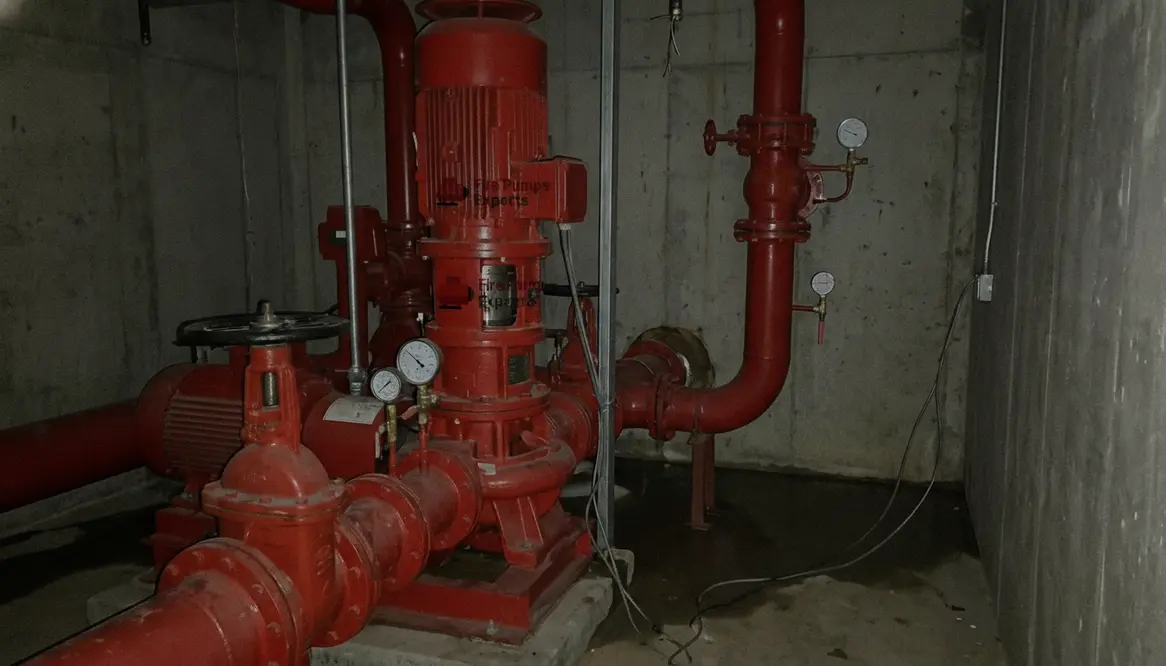
When I look at a water spray system under NFPA 15, I do not just see pipes and pumps. I see a coordinated response designed to control heat, cool surfaces, and prevent fire spread before things get out of hand. Fire pumps are the heartbeat here. Without them, pressure drops, coverage weakens, and suddenly your “system” becomes more of a suggestion.
So, I always focus on matching the pump to the hazard. For example, in a petrochemical facility, I expect high demand and fast response. Meanwhile, in a power generation plant, I look for sustained flow over time. Each application shapes how I size and configure the pump.
And yes, choosing the wrong pump is a bit like bringing a garden hose to a dragon fight. Technically water is involved, but the outcome will not be in your favor.
Where These Systems Really Shine in Industrial Settings
In my experience, water spray systems supported by fire pumps are not general purpose tools. They are precision instruments designed for high risk environments. That distinction matters.
Typical Applications
- Transformer protection where cooling exposed surfaces prevents catastrophic failure
- Conveyor systems where fires can travel faster than you can say “shutdown”
- Storage tanks where heat exposure can escalate into structural damage
- Process equipment where even a small fire can interrupt major operations
Each of these applications demands consistent pressure and flow. That is where the fire pump earns its keep. It ensures water reaches every nozzle with enough force to do its job effectively.
Why NFPA 15 Fire Pump Water Spray Systems Fit Here
These environments rarely offer second chances. NFPA 15 fire pump water spray systems are designed so that cooling, containment, and exposure protection happen immediately and predictably. When process equipment, transformers, or tanks are at stake, “close enough” is not acceptable.
The systems bring structured coverage to messy real-world hazards, channeling water exactly where it offsets heat, shields steel, and buys precious time for shutdown or response teams.
What Makes NFPA 15 Fire Pump Water Spray Systems Different?
This is where things get interesting. Unlike standard sprinkler systems, water spray systems do not aim to extinguish fire directly. Instead, they control it. They cool surfaces, reduce radiant heat, and limit fire growth.
Therefore, the pump must support a very specific objective. I design with distribution in mind. Every nozzle must deliver the right droplet size and pattern. Too little pressure, and coverage fails. Too much, and efficiency drops.
It is a balancing act. Think of it like cooking a perfect steak. Too rare, and people complain. Too well done, and people still complain. The sweet spot is everything.
Key Design Considerations I Never Ignore
Over time, I have learned that success with these systems comes down to a few critical factors. Skip any one of them, and problems follow.
Hydraulic Demand
I calculate the exact flow and pressure needed for the hazard. Guesswork has no place here.
Water Supply Reliability
I always verify that the source can sustain demand. A strong pump cannot fix a weak supply.
System Zoning
Dividing areas ensures targeted response and prevents unnecessary water use.
Pump Type Selection
Electric or diesel driven options depend on site conditions and reliability needs.
Control Integration
I make sure detection systems trigger pumps without delay.
Maintenance Access
If you cannot maintain it easily, you will not maintain it properly.
Each decision builds on the next. That is how I create a system that does not just meet code, but actually performs when it matters.
Why Fire Pumps Matter More Than People Realize
Here is the truth. Most people do not think about fire pumps until they fail. That is a bit like ignoring your car engine until it stops on the highway. Suddenly, it is the only thing you care about.
In large scale facilities, fire pumps ensure water spray systems operate under the worst conditions. Power loss, peak demand, or simultaneous hazards. The pump must respond instantly and maintain performance without hesitation.
Moreover, redundancy plays a major role. I often recommend backup pumps because relying on a single unit is a gamble. And in this field, I do not gamble.
As a side note, if Hollywood treated fire pumps with the same drama as explosions, they would be the quiet hero in every action movie. No spotlight, just results.
How I Ensure Long Term Performance and Compliance
Design is only the beginning. I always stress that ongoing inspection and testing keep systems reliable. NFPA standards provide clear guidance, but execution matters just as much.
Testing And Monitoring
I focus on routine testing of pump performance, verifying pressure levels, and confirming that activation systems respond correctly. NFPA 15 fire pump water spray systems are only as good as their last successful test, so I treat performance checks as non-negotiable.
Training And Clarity
I make sure facility teams understand how the system works. Because in an emergency, clarity beats confusion every time. When people know how NFPA 15 fire pump water spray systems respond, they can support, not hinder, the protection strategy.
Consistency is the goal. A system that works today must work the same way five years from now. That takes discipline and attention to detail.
FAQ: Straight Answers You Can Use
Final Thoughts and Your Next Move
When I design or evaluate these systems, I treat them like silent guardians of critical infrastructure. They may not get applause, but they earn respect through performance. If you manage a commercial or industrial facility, now is the time to ensure your system is not just compliant, but dependable. Work with experts who understand real world demands, not just code books. Because when pressure rises, literally and figuratively, your system should already be ready.
If you are looking for more technical insight, case studies, or design perspectives on these systems, you can explore resources at https://firepumps.org and apply what fits your facility and hazard profile.