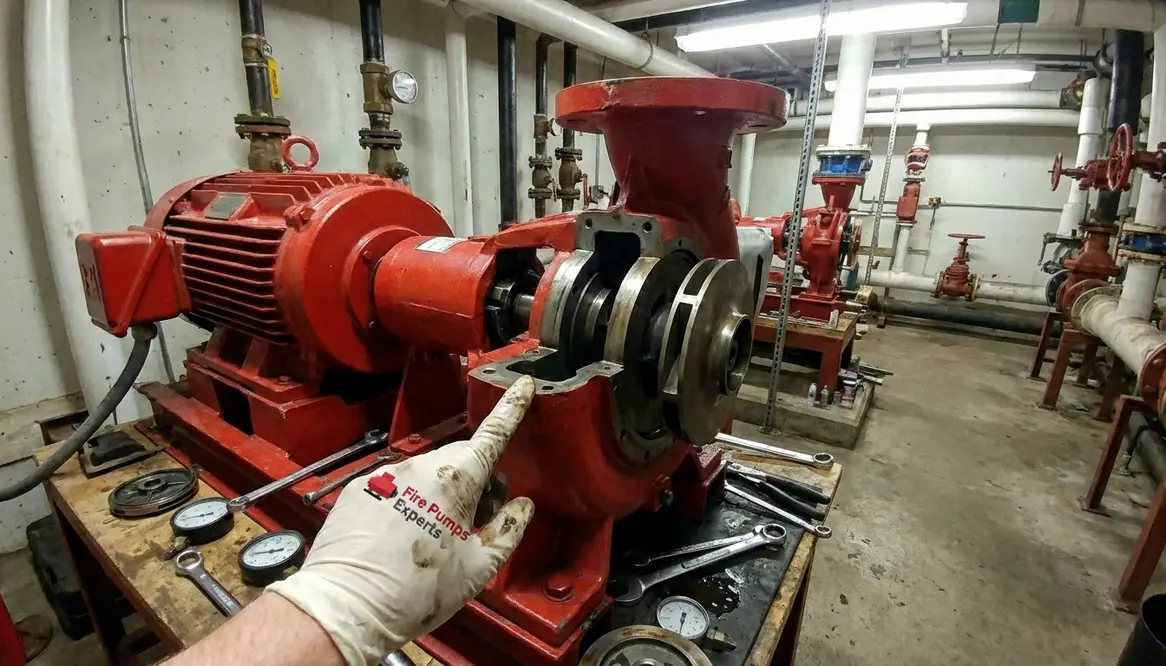
End Suction Fire Pump Repair Guide for Reliability
I have spent enough time around pump rooms to know one truth. When a fire pump fails, it never picks a convenient moment. That is why end suction fire pump repair matters more than most people realize. In large commercial and industrial facilities, these systems stand between a minor incident and a headline. So today, I will walk you through what actually goes wrong, how I approach repairs, and how to keep things running like a well rehearsed orchestra instead of a horror movie scene.
What signs tell me an end suction fire pump needs repair?
I never wait for a dramatic failure. The pump usually whispers before it screams. For example, I listen for unusual vibration, which often signals misalignment or bearing wear. Meanwhile, a drop in pressure tends to point toward impeller damage or internal wear.
Also, I pay attention to leaks around seals and casing joints. Even a small drip can grow into a costly shutdown. In addition, overheating motors and inconsistent flow patterns suggest deeper mechanical trouble. Think of it like your car making a strange noise. You can ignore it, but that story rarely ends well.
So when I inspect a system, I trust patterns, not luck. And yes, I have learned that pumps, much like people, behave better when you actually pay attention to them.
Core components I inspect during end suction fire pump repair
When I step into a repair job, I focus on the parts that carry the most stress. Each component tells a story if you know how to listen.
Mechanical Side
- Impeller condition and balance
- Shaft alignment and straightness
- Bearings and lubrication quality
- Seal integrity and wear patterns
Operational Side
- Motor performance and heat levels
- Pressure consistency under load
- Flow rate stability
- Controller response and timing
While these lists look simple, the reality is more nuanced. For instance, a worn bearing might appear minor, yet it can trigger vibration that damages the shaft and impeller over time. Therefore, I treat every issue as part of a chain reaction.
How I handle disassembly without causing new problems
I have seen more damage caused during disassembly than during operation. So I move slowly and document everything. First, I isolate the system and confirm zero pressure. Then, I mark component positions to ensure accurate reassembly.
Next, I remove the casing carefully to avoid warping. I inspect internal surfaces immediately because early observations often reveal the root cause. For example, uneven wear on the impeller usually points to alignment issues rather than simple aging.
And here is a little truth from the field. If you rush this step, the pump will humble you later. It always does.
Fixing common failures in commercial pump systems
In large facilities, I see patterns repeat. However, the solution always depends on precision rather than guesswork.
For seal failures, I replace both the seal and inspect the shaft sleeve. Installing a new seal on a damaged surface is like putting fresh paint on a cracked wall. It looks good for a moment, then reality sets in.
When dealing with impeller damage, I either rebalance or replace it entirely. Even a slight imbalance can reduce efficiency and increase wear. Meanwhile, bearing replacement requires correct lubrication and alignment, or the problem returns like an unwanted sequel.
If you manage large properties, I strongly recommend aligning your repair practices with industry standards such as those discussed by commercial fire pump system experts. That level of discipline separates reliable systems from unpredictable ones.
Preventive strategies that reduce repair frequency
I prefer prevention over repair every single time. It saves money, reduces downtime, and keeps everyone sleeping better at night.
First, I schedule routine performance tests. These reveal hidden inefficiencies before they grow. In addition, I track vibration trends over time. A gradual increase often signals internal wear long before failure.
Also, I make lubrication a priority. Poor lubrication remains one of the simplest yet most common causes of failure. Furthermore, I ensure alignment checks occur after any maintenance activity. Even minor shifts can affect performance.
And let us be honest. A well maintained pump room feels different. It is quieter, smoother, and far less dramatic. Think less action movie, more calm documentary.
The role of professional repair in high demand facilities
In major commercial and industrial buildings, downtime is not just inconvenient. It is expensive and risky. That is why I always emphasize skilled end suction fire pump repair performed by experienced technicians.
These systems operate under strict codes and heavy demand. Therefore, repairs must meet both mechanical and regulatory standards. A quick fix might restore function, but it will not guarantee reliability during an emergency.
So I approach every repair with a long term mindset. Because when the system activates, there is no second chance to get it right. When end suction fire pump repair is handled with that mindset, it moves from “necessary evil” to one of the most important reliability tools in the entire building.
That mindset also changes how teams budget and plan. Instead of reacting to surprises, facilities that prioritize disciplined end suction fire pump repair bake reliability into their everyday operations.
FAQ
Conclusion
If you manage a commercial or industrial facility, do not wait for failure to take action. A thoughtful approach to maintenance and repair keeps your system dependable when it matters most. I encourage you to evaluate your current setup, address small issues early, and bring in experienced professionals when needed. Because when it comes to fire protection, reliability is not optional. It is the standard you build everything else around.