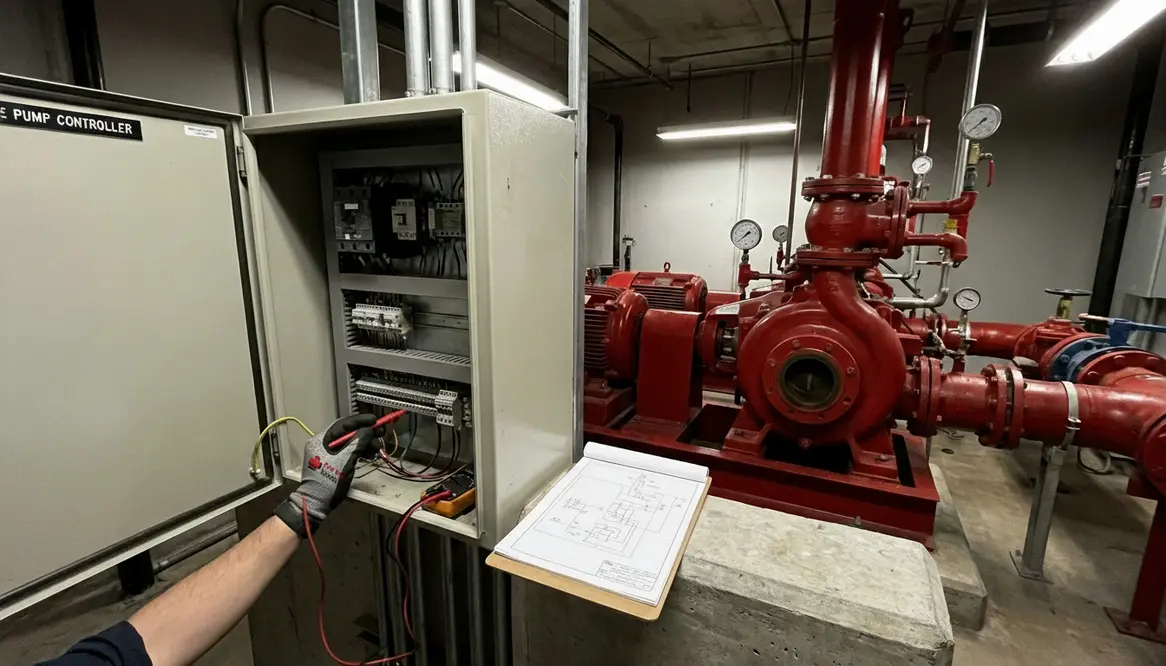
End Suction Fire Pump Controller Setup Guide
I have always believed that the quiet strength of a fire protection system is only as reliable as the brain behind it. And in many commercial and industrial buildings, that brain is the end suction fire pump controller. Within the first moments of an emergency, this controller decides whether water moves with purpose or hesitation. So today, I am going to walk you through how I approach its setup, not as a dry checklist, but as a deliberate process that keeps buildings and people safe. Think of it as setting the stage before the curtain rises. And yes, even something this technical can have a little personality.
Understanding the Role of an End Suction Fire Pump Controller
Before I touch a single wire, I take a moment to respect what this system actually does. The controller is not just a box with buttons. It monitors pressure, starts the pump when needed, and keeps everything running under demanding conditions. In large commercial facilities, that reliability is non negotiable.
Moreover, I always remind clients that this controller operates under strict standards. Therefore, compliance is not optional. It is the difference between a system that performs and one that fails quietly when it matters most. And let’s be honest, nobody wants their fire protection system to have a “maybe it will work” attitude.
How Do I Set Up an End Suction Fire Pump Controller Correctly?
I start with power. Always. A stable and properly rated electrical supply is the foundation. Without it, even the most advanced controller becomes an expensive paperweight. After that, I move into wiring verification, ensuring every connection aligns with manufacturer diagrams.
Next, I configure the pressure settings. This step requires precision. If the cut in pressure is too high, the pump hesitates. If it is too low, the system cycles unnecessarily. Therefore, I calibrate based on the building’s hydraulic design, not guesswork.
Finally, I test the automatic start sequence. I simulate pressure drops and observe how the controller responds. Because in real life, there are no second takes. It either starts, or it does not.
Key Setup Elements I Never Overlook
Even seasoned professionals can miss details when rushing. I avoid that trap by sticking to a disciplined approach.
Electrical Integrity
- Confirm voltage matches specifications
- Inspect grounding for safety
- Verify circuit protection devices
Control Logic
- Set pressure sensors accurately
- Program start and stop thresholds
- Check alarm and signal outputs
In addition, I always validate communication with monitoring systems. In modern facilities, integration matters. A controller that cannot talk to the building management system is like a security guard who forgot his radio.
Common Setup Mistakes That Can Cost You
I have seen a few things over the years. Some of them still keep me up at night, and not in a dramatic superhero origin story kind of way.
First, skipping proper testing is a classic mistake. People assume that if the lights turn on, everything works. That assumption is risky. Instead, I run full operational tests every time.
Second, incorrect pressure calibration shows up more often than it should. This leads to delayed pump starts or excessive cycling, both of which reduce system reliability.
Lastly, ignoring documentation creates confusion later. I always label settings and keep clear records. Because when inspections come around, and they will, clarity saves time and headaches.
Optimizing Performance for Commercial and Industrial Facilities
Large properties demand more than basic functionality. They require consistency under pressure, both literally and figuratively. So I fine tune controller settings based on system demand curves and expected load conditions.
Additionally, I recommend periodic performance reviews. Over time, building usage changes. Therefore, the controller settings may need adjustments to match new demands. A warehouse today might become a data center tomorrow, and those are very different worlds.
For deeper guidance, I often point professionals toward expert fire pump system resources for commercial facilities, where standards and best practices stay current.
Maintenance and Long Term Reliability
Once the setup is complete, the real work begins. Maintenance is not glamorous, but it is essential. I schedule routine inspections to verify that the controller responds correctly and that no components show signs of wear.
Furthermore, I test alarm systems and backup features regularly. Because redundancy is not just a buzzword. It is a safety net. And in this line of work, I prefer safety nets that actually hold.
Over time, these small checks build confidence. And confidence, in fire protection, is everything.
FAQ: Quick Answers You Can Use
Final Thoughts and Next Steps
Setting up a fire pump controller is not just a task. It is a responsibility that protects lives and property every single day. If you are managing a commercial or industrial facility, now is the time to review your system, fine tune its performance, and ensure it meets current standards. Take action, bring in qualified expertise, and give your building the reliability it deserves. Because when the moment comes, there is no room for hesitation.