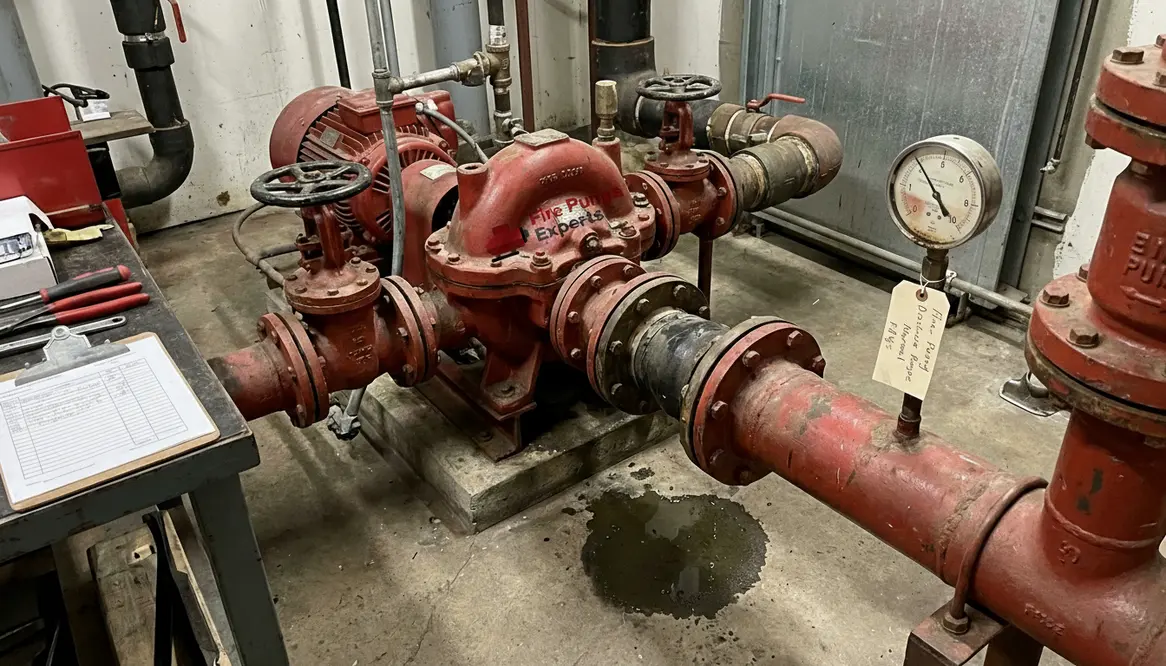
End Suction Fire Pump Problems and Fixes
I have spent years around fire protection systems, and if there is one thing I have learned, it is this: end suction fire pump problems rarely announce themselves with a grand entrance. They creep in quietly. A slight vibration here. A drop in pressure there. And before you know it, your system is not the hero you thought it was. In commercial and industrial facilities, where reliability is everything, even a small issue can turn into a very expensive lesson. So today, I am going to walk you through what really goes wrong, why it happens, and how to stay one step ahead, with just enough humor to keep us all awake.
What are the most common end suction fire pump problems I should watch for?
Let me answer this the way I would explain it during a late night inspection. The usual suspects tend to show up again and again.
- Loss of pressure which often signals internal wear or suction issues
- Excessive vibration that feels like the pump is auditioning for a rock band
- Seal leakage which never fixes itself, no matter how optimistic you feel
- Overheating caused by poor lubrication or misalignment
- Failure to start which is about as useful as a fire alarm with stage fright
Now, while each of these seems straightforward, they often connect to deeper mechanical or operational issues. Therefore, ignoring early signs is like ignoring a blinking check engine light. It rarely ends with good news.
Snapshot: Problems that keep showing up
From pressure loss to vibration and seal leakage, most end suction fire pump problems can be traced back to wear, misalignment, poor lubrication, or neglected inspections. If something feels off, it probably is.
Understanding pressure loss and flow issues
Pressure loss is one of the most critical end suction fire pump problems, especially in large commercial buildings where water demand must be met instantly. When I see this, I immediately think about restrictions or internal wear.
First, clogged strainers or partially closed valves can choke the system. However, worn impellers or air leaks in the suction line can quietly reduce performance over time. In many facilities I have visited, maintenance teams assumed the pump was fine simply because it was running. That assumption can be costly.
Additionally, poor system design or changes in building demand can push the pump beyond its intended capacity. As a result, even a well maintained pump can struggle if it is not matched to the system anymore.
Pressure loss checklist
- Confirm suction valves are fully open
- Inspect strainers and suction piping for blockage
- Check for air leaks on the suction side
- Evaluate impeller for wear or damage
- Compare actual demand with original system design
Vibration and noise that should never be ignored
There is a certain hum every fire pump makes when it is happy. It is smooth. Predictable. Almost soothing. When that hum turns into a rattle, a shake, or something that sounds like a drum solo, you have a problem.
Vibration usually points to misalignment, bearing wear, or cavitation. Cavitation, in particular, is a quiet destroyer. It happens when vapor bubbles form and collapse inside the pump, slowly eating away at internal components. Think of it like tiny explosions happening where you cannot see them.
Meanwhile, misalignment between the motor and pump can create uneven forces. Over time, this leads to premature wear and eventual failure. And trust me, these failures never happen at a convenient time.
Vibration red flags
- New vibration after recent maintenance
- Noise that changes with speed or load
- Coupling showing unusual wear marks
- Bearings running hotter than normal
What to do first
- Verify alignment with proper tools, not just eyeballing
- Check suction conditions for signs of cavitation
- Inspect bearings, lubrication, and mounting bolts
- Log readings so future changes are easy to catch
Quick comparison of symptoms and likely causes
|
Symptom
|
Likely Cause
|
This side by side view helps teams quickly connect what they see with what might actually be happening inside the system.
Why mechanical seal failures keep coming back
Mechanical seals are like the unsung heroes of the pump world. They do their job quietly, right up until they do not. And when they fail, they tend to make a mess.
Seal failure often comes from improper installation, dry running, or contamination. For example, if the pump runs without proper water flow, the seal can overheat and crack. It is a bit like running a marathon without water. You will not get far.
In many industrial facilities, I have seen repeated seal failures simply because the root cause was never addressed. Replacing the seal without fixing alignment or lubrication is like changing a tire while ignoring a bent axle.
Breaking the repeat-failure cycle
- Verify seal selection matches operating conditions
- Confirm lubrication and cooling paths are clear
- Check for dry running events in test logs
- Inspect alignment every time the coupling is disturbed
- Keep contaminants out of seal faces with proper filtration
How maintenance habits shape long term reliability
Here is where things get real. Most end suction fire pump problems are not random. They are the result of habits. Good or bad.
Consistent inspection routines can catch early warning signs. For instance, checking vibration levels, monitoring pressure readings, and verifying alignment can prevent larger failures. On the other hand, skipping these checks turns small issues into major repairs.
Facilities that follow guidance from trusted resources like commercial fire pump system standards and best practices often see fewer breakdowns. That is not a coincidence. It is discipline in action.
Also, training matters. A well trained maintenance team can spot subtle changes that others might miss. And sometimes, that awareness is the difference between a quick fix and a system shutdown.
Simple habits that prevent big failures
- Log pressure, flow, and vibration during every test
- Use the same person to perform inspections when possible
- Review trends monthly, not just when something breaks
- Train staff on what normal looks, sounds, and feels like
- Document every adjustment so recurring end suction fire pump problems stand out quickly
FAQ about end suction fire pump reliability
There are recurring questions that come up every time end suction fire pump problems are on the table. A few of them are worth answering clearly and all in one place.
Final thoughts that keep your system ready
If you take anything from this, let it be this: fire pumps are loyal, but only if you treat them right. Stay proactive, watch for subtle changes, and act early. When you invest in proper maintenance and expert support, you protect more than equipment. You protect lives and assets. So if your system is due for a closer look, now is the time to act and keep everything running exactly as it should. When end suction fire pump problems are treated as early warnings instead of surprises, your system stays ready for the one moment when it absolutely has to perform.