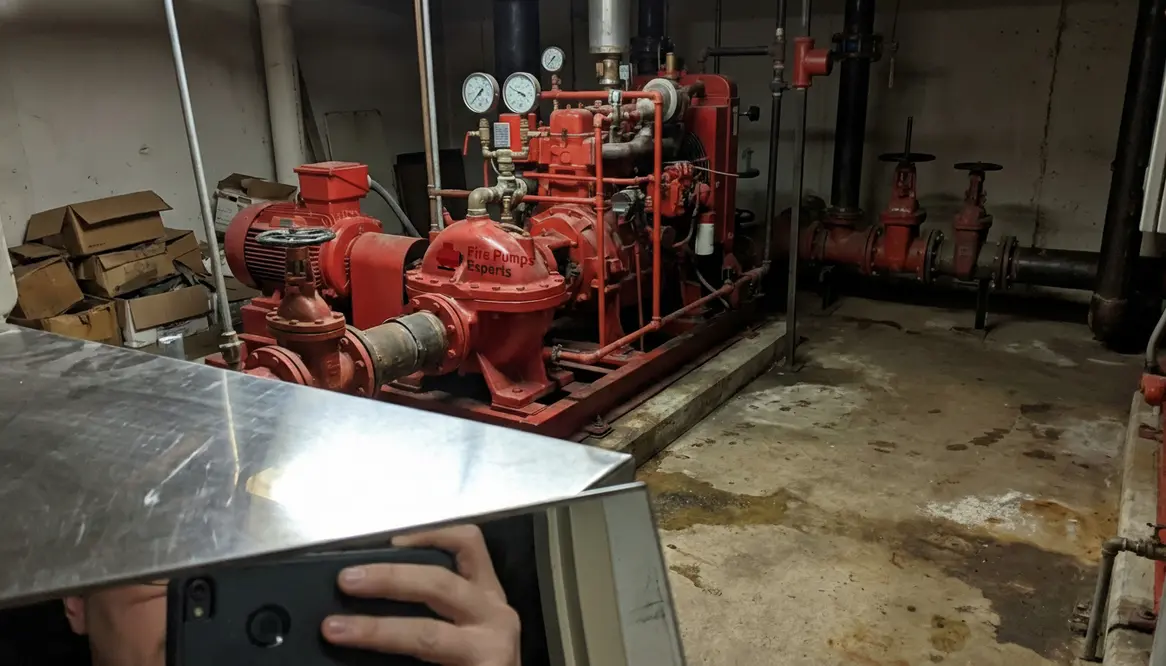
End Suction Fire Pump Replacement Cost Guide
I have spent enough time around mechanical rooms to know one thing for certain: nothing gets attention faster than a failing fire pump. When that moment comes, the first question I always hear is about the end suction fire pump replacement cost. It is not just a number. It is a decision that affects safety, compliance, and long term reliability. So let me walk you through it in a way that feels less like reading a manual and more like having a calm, steady conversation with someone who has seen this play out more times than they can count.
What drives end suction fire pump replacement cost in commercial buildings?
The cost does not come from a single line item. Instead, it builds layer by layer. First, there is the pump itself. A standard end suction unit for a commercial or industrial facility can range widely depending on flow requirements, pressure ratings, and certifications. Then, you add installation, which is where things often get interesting.
However, labor is not just labor. It includes removing the old system, aligning the new pump, connecting piping, and ensuring the electrical integration works flawlessly. Moreover, if your building has older infrastructure, upgrades may be required just to meet current fire codes. That is where budgets can stretch faster than a superhero sequel.
In my experience, most facility managers underestimate soft costs. Permits, inspections, and downtime all play a role. Therefore, a realistic view of total replacement expenses gives you control instead of surprises.
How I break down the real numbers behind replacement
I like to keep things simple. When I evaluate a project, I divide it into four parts:
Equipment
The pump, motor, and controller. This is your core investment.
Installation
Skilled labor, rigging, and alignment.
Upgrades
Piping changes, electrical adjustments, or system redesign.
Compliance
Testing, certification, and inspections.
As a result, the total can range anywhere from moderate to significant depending on system size. For large commercial properties like hospitals, warehouses, or high rise buildings, costs climb because the stakes are higher. And frankly, when safety is on the line, cutting corners is not a strategy. It is a liability.
Lower Range Scenario
Basic replacement with minimal upgrades
Modern infrastructure already in place
Short installation timeline
Higher Range Scenario
Major system upgrades required
Complex building layout
Extended downtime and testing
When should I replace instead of repair?
This is the question that separates proactive operators from reactive ones. I always say this: if your pump has become a regular topic of conversation, it is probably time.
Repairs make sense when the issue is isolated. However, repeated failures, outdated parts, or declining performance point toward replacement. Additionally, older systems may no longer meet current fire safety standards. That alone can justify a full upgrade.
Think of it like maintaining an old car. At some point, you are not fixing it anymore. You are just delaying the inevitable. And unlike a car, a fire pump is not something you want failing at the worst possible moment. That is not suspense. That is risk.
How long does a replacement project take?
Timing depends on planning. A well organized project can move efficiently, while a reactive one tends to drag. Typically, I see timelines broken into phases.
Typical project phases
- Assessment and design
- Procurement of the pump and components
- Installation
- Testing, verification, and documentation
Each phase must align with safety requirements and operational needs. For large facilities, coordination is key. You cannot simply shut everything down without a plan. Therefore, temporary systems or phased work may be necessary. It is a bit like changing a plane engine mid flight, except thankfully with more checklists and fewer action movie stunts.
Reducing end suction fire pump replacement cost without cutting corners
Now here is where strategy comes into play. You can manage the end suction fire pump replacement cost without sacrificing quality.
Plan with intention
First, plan early. Emergency replacements always cost more. Second, work with specialists who focus on commercial and industrial systems. General contractors may not understand the nuances of fire protection requirements.
Think lifecycle, not line item
Also, consider lifecycle value. A slightly higher upfront investment in a reliable system often reduces maintenance and downtime later. In other words, spend wisely now so you are not spending repeatedly later. That mindset keeps your actual end suction fire pump replacement cost lower over the long term, not just on paper today.
For those looking for deeper technical guidance, I often point people toward commercial fire pump system experts who specialize in large scale facilities. Having the right partner changes everything and helps keep the real end suction fire pump replacement cost aligned with your budget and risk tolerance.
Common mistakes I see facility managers make
Even experienced professionals can fall into a few traps. The most common one is underestimating scope. What starts as a simple replacement can reveal hidden issues once work begins.
Another mistake is focusing only on upfront cost. While budgets matter, performance and compliance matter more. Additionally, delaying decisions often leads to emergency replacements, which are almost always more expensive.
Do not skip the final step
Finally, some overlook testing and certification. A pump that is not properly tested is like a smoke detector with no battery. It looks fine until you actually need it. Skipping this step can also inflate your effective end suction fire pump replacement cost if you have to bring contractors back to fix issues that should have been caught the first time.
FAQ: Quick answers you can use right away
These are the questions that come up most often when people start looking at their end suction fire pump replacement cost and project planning.
Closing thoughts and next steps
At the end of the day, a fire pump is not just another piece of equipment. It is a safeguard. If you are evaluating your options, now is the time to act with clarity.
Assess your system, consult experienced professionals, and plan with intention. The right move today protects your building tomorrow. And if you are unsure where to begin, reach out to experts who handle complex commercial systems every day and get a clear path forward that balances risk, compliance, and your real end suction fire pump replacement cost.