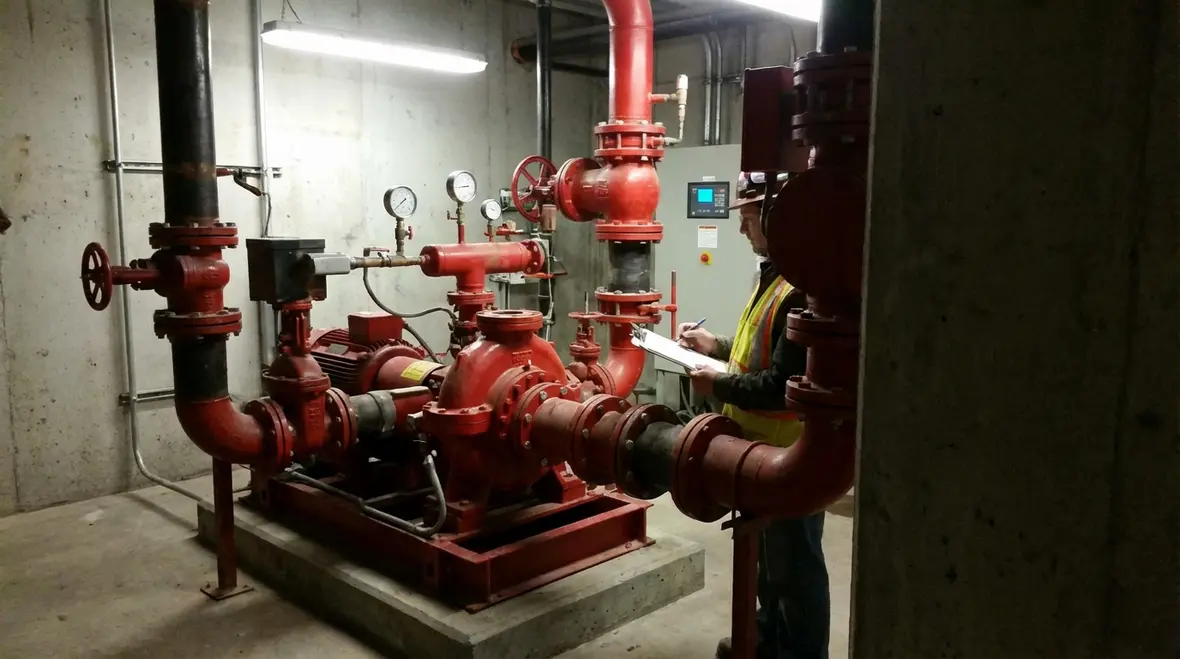
Fire Pump Testing Frequency Guide for Facility Managers
By the time you finish this article, you’ll know exactly how often fire pumps must be tested and, just as importantly, why skipping a test might just make your building as safe as a Death Star without a thermal exhaust port cover.
Let me set the scene. You’re the facility manager of a large commercial building, industrial plant, or massive property complex. Invisible to the tenants and maybe even your own team, the fire pump quietly waits. It’s the unsung hero, the Batman of your fire protection system. But unlike Batman, it needs regular checkups—not just gadgets and plot armor.
So, how often must these vital machines be tested? The short answer, right out of the gate: weekly, monthly, and annually. Different components, different tests, different intervals. Sometimes you’ve got to wine and dine the pump… metaphorically speaking. Let’s get into the specifics without spiraling into a mechanical monologue so you can clearly answer how often fire pumps must be tested in your own facility.
Understanding Fire Pump Testing Standards
Before you ask “who makes these rules?”—it’s the National Fire Protection Association (NFPA). Their NFPA 25 standard sets the gold standard for inspection, testing, and maintenance of water-based fire protection systems. It’s like the Constitution of fire safety—except with more sprinklers and fewer amendments.
According to NFPA 25, fire pumps in commercial and industrial facilities should be tested at regular cadences to ensure they’re ready when disaster knocks. Each type of test serves a different purpose—some are like a quick morning jog, others more like a full-on Ironman competition. Understanding how often fire pumps must be tested under NFPA 25 is step one in keeping your system compliant and reliable.
Weekly vs. Monthly vs. Annual Testing at a Glance
Weekly Checks
- No-flow (churn) test
- 20–30 minutes run time
- Diesel: monitor fuel, battery, oil
Annual Checks
- Full flow performance test
- Measurement of pressure and flow rates
- System alignment confirmation
Bonus: A monthly visual inspection is also expected. It’s like checking your smoke alarm batteries—except your building’s reputation and human lives depend on it. No pressure.
What Happens During a Weekly Fire Pump Test?
The weekly test is simple but essential. It’s a “no load” run—meaning, we don’t stress the poor pump out. We let it purr, not roar. The point here is to make sure it starts promptly, runs smoothly, and doesn’t make sounds reminiscent of a haunted blender.
Your facility technician or contracted fire protection team checks three things:
- The pump starts automatically within seconds
- There are no unusual vibrations, leaks, or alarms
- For diesel pumps: fuel levels, battery charge, and engine temperature are all within norms
Why weekly? Because motors, especially the big boys found in industrial facilities, love routine. And a fire emergency is not the time to learn your starter relay took a vacation. When you’re mapping out how often fire pumps must be tested, think of the weekly churn test as your baseline non‑negotiable.
How Often Fire Pumps Must Be Tested with Water Flow
Ah yes, the annual performance test: the Super Bowl of pump reliability. Once a year, we move past whispery startup checks into a full-scale test using flow meters and pressure gauges at multiple points.
This isn’t just about academic curiosity. We answer real, critical questions: Is the pump supplying the correct pressure? Can it maintain flow rates under real-world conditions? Are the check valves keeping it all directional, or just watching the chaos unfold?
This annual test also includes testing things like:
- Alarm signal initiation when the pump starts
- Performance compared to manufacturer’s specs
- Relief valves activating correctly
It’s not overkill. It’s preparedness. That big question—how often fire pumps must be tested under real flow conditions—lands here: at least annually, and always using calibrated equipment and qualified personnel.
Your Fire Pump Test Schedule for Commercial Facilities
Building a Practical Test Roadmap
You might think, “Can’t we test every few months and call it a day?” I hate to break it to the Shortcut Committee, but no.
In heavy-use buildings like hospitals, data centers, or busy industrial warehouses, those pumps are lifelines. Rarely do they activate, thankfully, but when they do—it’s go-time.
That’s why smart facility managers develop layered test plans. Here’s a sample roadmap:
- Weekly: Startup and diesel checks (if applicable)
- Monthly: Alignment, battery voltage, controller inspection
- Quarterly: Valve and pressure gauge calibrations
- Annually: Full capacity flow test at all three performance points
This phased approach gives you visibility, predictability, and scalability. Because when Murphy’s Law comes calling—your pump doesn’t get to ghost the situation.
Aligning NFPA Requirements with Local Expectations
NFPA 25 lays out the core framework for weekly, monthly, and annual testing. Local jurisdictions, insurers, and specialty regulations can go further—especially in large urban environments or high-rise districts.
For example, in Los Angeles, Regulation 4 fire pump tests layer on additional requirements so building owners stay aligned with stricter local expectations. The lesson is simple: use NFPA 25 as your baseline, then confirm your local code requirements so your answer to how often fire pumps must be tested is both technically correct and locally compliant.
What Can Go Wrong If Testing Is Ignored?
Mechanical Problems Waiting in the Dark
Ah, let me count the ways…
- Seized impellers acting more like rust sculptures than functional components
- Controllers failing because a fuse finally gave up like your New Year’s resolution
- Pressure sensors misreading flow levels, triggering unnecessary panic—or worse, no alarms at all
Compliance, Liability, and Real-World Fallout
But seriously—insurance claims can get denied. Equipment can be red-tagged. The fire department might hand you a compliance violation so fast you’ll think you’re in a 90s sitcom getting served with a subpoena.
Regular fire pump testing isn’t a luxury. It’s not a “nice to have.” It’s how you defend your investment, your reputation, and, more importantly, people’s lives.
The Role of Technology in Modern Fire Pump Maintenance
Welcome to the 21st century! You can now get pump systems that talk back—well, sort of. Digital controllers, sensors, telemetry reporting, and even remote testing are enabling real-time health monitoring for fire systems.
Instead of waiting for a quarterly walkaround to uncover issues, facility systems can alert you instantly if pressure drops or motor performance dips. It’s like having J.A.R.V.I.S. running your fire safety—a little less snarky, a lot more compliant.
With larger commercial and industrial buildings scaling quickly, this isn’t overengineering—it’s strategic smarts. Used properly, monitoring technology doesn’t replace the schedule for how often fire pumps must be tested, but it does make each test more informed and effective.
FAQ: Fire Pump Testing for Commercial and Industrial Buildings
Facility teams ask many of the same questions when they start tightening up their fire pump programs. Here are clear, straightforward answers you can share with your operations and leadership teams.
Conclusion: Make Routine Testing Your Fire Pump’s Best Friend
Weekly. Monthly. Annually. These aren’t just dates on a calendar—they’re commitments to safety, compliance, and operational reliability. If you’re responsible for a major commercial or industrial property, regular fire pump testing isn’t optional. It’s your building’s guardian protocol. Don’t gamble with your fire protection readiness.
Schedule your next test now with a qualified fire protection provider, keep clear records of how often fire pumps must be tested in your facility, and make sure your system is always ready—not rusty.