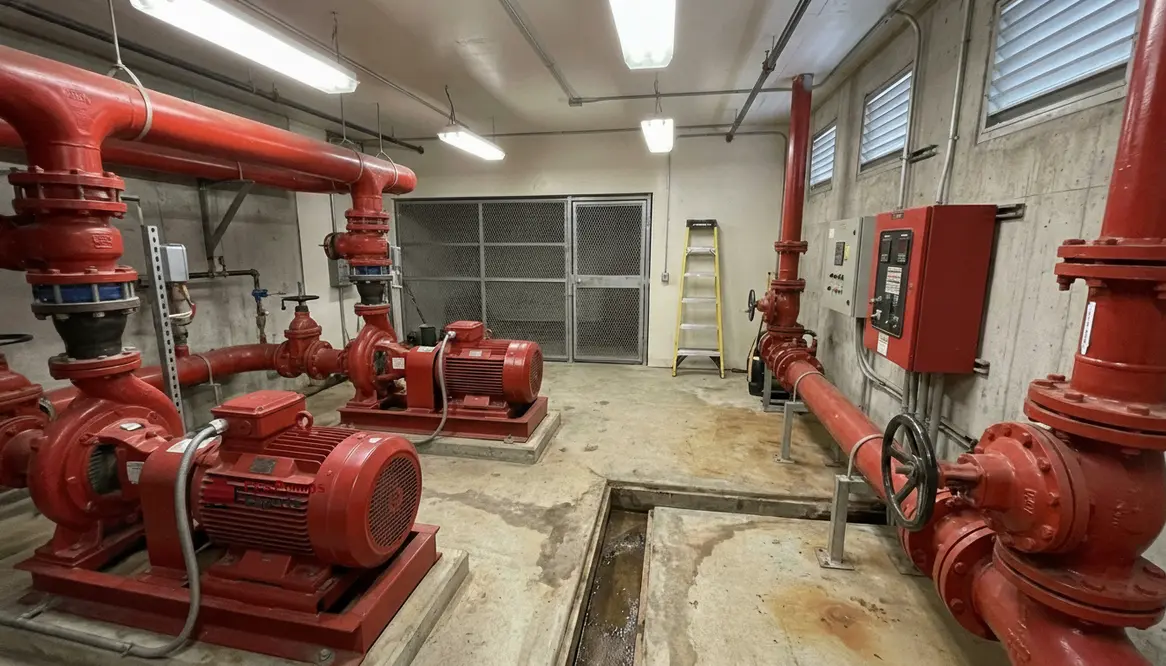
BS EN 12845 Fire Pump Room Requirements Guide
BS EN 12845 Fire Pump Room Requirements Overview
When I look at a BS EN 12845 room, I see more than a box with pipes and pumps. I see the heart of a fire protection system for major commercial and industrial buildings. If that room fails, the whole sprinkler setup can stumble, and nobody wants that kind of drama. So, in this guide, I will walk through the key room requirements, what they mean in real life, and how they help protect people, assets, and operations. I will keep it practical, because standards can sound like they were written by a committee that lost a bet.
For property owners, facility managers, and specifiers, the goal is simple. Build a pump room that stays safe, accessible, dry, and ready when the system needs it most. That is where BS EN 12845 sets the tone.
Core duties of a BS EN 12845 fire pump room
Keeping the fire pumps reliable
The main job of the pump room is to keep the fire pumps reliable. First, the room must protect the equipment from damage, weather, and misuse. It should sit in a secure location, away from flood risk and other threats. Also, it must allow easy access for inspections, maintenance, and emergency response.
In my view, this part matters most: the room should support fast action under pressure. If a technician cannot reach the equipment quickly, then even the best pump turns into expensive metal with a heroic backstory. BS EN 12845 expects the room to stay clear, safe, and fit for purpose at all times.
How to plan access, space, and layout
Access that actually works on bad days
Good layout makes the difference between a smart installation and a future headache. I always start with access. The room should have a direct route for service teams, replacement parts, and emergency crews. In addition, doors should open with ease and provide enough width for large equipment moves.
Space around equipment
The room also needs enough free space around the pumps, controllers, valves, and pipework. This helps with testing and repairs. I do not recommend a “fit it in and hope” approach. That plan works badly in homes, and it works even worse in a pump room.
Here is a simple way I think about the layout:
Left side
- Easy access for staff
- Clear space for checks
- Room for safe maintenance
Right side
- Equipment placed for quick reach
- Pipework kept neat and direct
- Controls visible and usable
This kind of clean planning helps the BS EN 12845 room stay practical over the long term.
Why ventilation, heat, and drainage matter
Controlling the environment inside the room
A fire pump room must stay dry, cool enough, and well ventilated. Otherwise, heat can build up and damage equipment. Moisture can also corrode parts and shorten service life. That is not a small issue. It is the sort of problem that grows quietly, then shows up at the worst possible time, like a bad sequel nobody asked for.
Ventilation should support both normal use and emergency operation. At the same time, the room needs drainage or another way to control water from leaks, maintenance, or testing. I always treat this as a core design task, not an afterthought. If water collects near pumps or control gear, the whole room loses trust fast.
Also, the room should stay free from dust, steam, and harmful fumes where possible. Those things may seem minor, but they can wear down the system over time. As a result, a well planned BS EN 12845 room helps protect uptime and cut repair costs.
BS EN 12845 room fire safety rules I check first
Reducing fire risk inside the room
When I review a BS EN 12845 room, I focus on fire safety inside the room itself. The space should not create extra fire risk. Therefore, I look at internal finishes, nearby hazards, and how the room separates from the rest of the building.
Supporting operation during a fire
The room should also support safe operation during a fire event. That means clear labels, proper lighting, and a layout that lets people find controls quickly. In large commercial and industrial sites, seconds matter. So, the room must help the system perform without confusion.
Location and separation from the risk
I also check whether the room sits close enough to the protected risk without becoming exposed to that same risk. That balance matters. Too far away can hurt performance. Too close can expose the system. In other words, the room should behave like a calm bodyguard, not a nervous fan in the front row.
What to include in a compliant pump room
Essential features to look for
To keep things simple, I look for a few basic must haves in every compliant fire pump room for major properties and industrial sites:
- Secure access and controlled entry
- Enough room for inspection and repair
- Dry floors and effective drainage
- Good ventilation and heat control
- Clear lighting and labels
- Safe separation from hazards
- Strong support for testing and routine checks
These items may sound basic, but they carry real weight. When all of them work together, the room supports the whole sprinkler system. When one fails, the rest often follow. That is the kind of chain reaction nobody wants in a warehouse, plant, hotel tower, or major office block.
If you want deeper technical detail on pumps and layouts, resources like https://firepumps.org can add extra context around real world performance.
Putting the BS EN 12845 room into perspective
The BS EN 12845 room is not there for decoration. It is the space that lets pumps, power supplies, and controls stay ready for the one day everyone hopes never arrives. When the environment in that room is stable, clear, and well organized, everything downstream in the sprinkler network gets a better chance to do its job.
Treat it like a mission critical area, not a forgotten back room. That mindset shift alone can change how projects are planned, budgeted, and reviewed across the life of a building.
FAQs about BS EN 12845 fire pump rooms
Final thoughts and next step
If I had to sum it up, I would say this: a strong pump room keeps the whole fire protection system honest. It protects the pumps, supports fast service, and helps the building stay ready when it counts. So, if you manage a commercial or industrial property, now is the time to review your setup, check the details, and act before problems start whispering in the walls. For expert support, I recommend speaking with a specialist who works with BS EN 12845 systems every day.