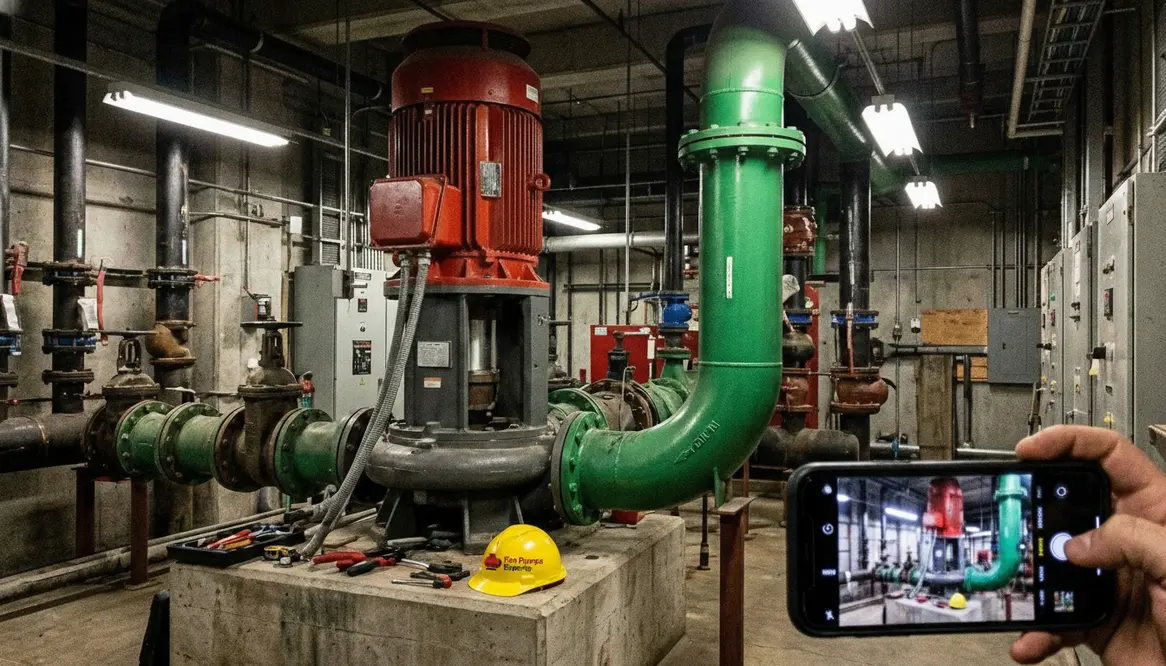
LPS 1131 Vertical Turbine Pump Requirements Guide
LPS 1131 Vertical Turbine Pump Requirements sit at the heart of fire protection for large commercial and industrial sites. I look at them as the quiet rules that help a building stay ready when things go bad fast. In plain terms, these requirements guide how a vertical turbine pump must perform, how it must be tested, and how it must fit into a fire system built for major property protection. If the pump is the muscle, then LPS 1131 is the discipline. And yes, that discipline matters a lot more than most people think, right up until the day it matters most.
What I Mean by LPS 1131 Vertical Turbine Pump Requirements
When I talk about LPS 1131 vertical turbine pump requirements, I mean the full set of rules that shape safe and reliable pump design for fire systems in large buildings and industrial sites. These pumps often serve properties with deep water sources, high demand, or heavy risk loads. Therefore, the standard focuses on more than just water flow. It looks at build quality, pump setting, suction conditions, driver match, and system duty.
In my view, this standard does not leave much room for guesswork. It asks for a pump that can do its job under pressure, literally and legally. That means the pump must suit the site, the water supply, and the fire risk profile. Otherwise, the whole setup becomes a very expensive paperweight. Not exactly the hero of the story.
How I Check Site Fit for a Vertical Turbine Pump
The first thing I check is whether the property truly needs a vertical turbine pump. These systems usually fit commercial and industrial facilities that need dependable water lift from a tank, sump, canal, or other source below ground level. In other words, the site itself shapes the solution. That is why one size never fits all, despite what some sales pitch may promise over coffee.
LPS 1131 requirements push me to review several site details:
- Available water source and water level changes
- Required fire flow and pressure
- Pump bowl setting depth
- Motor or engine match
- Access for inspection and maintenance
Moreover, I always think about long term service. A pump may pass initial checks, yet still cause trouble if the installation blocks access or creates weak suction conditions. So I treat the site review like the opening scene in a good thriller. Get it wrong early, and the rest of the plot gets messy.
What I Look For in Pump Design and Installation
Here, the details start to matter in a serious way. LPS 1131 vertical turbine pump requirements call for a pump that can deliver the needed fire protection output with steady performance. I look at materials, shaft alignment, column length, bowl assembly, and discharge setup. Each part has a job. If one part slips, the whole system feels it.
Key design points I review
- Correct hydraulic sizing for the fire demand
- Strong mechanical build for long service life
- Stable installation to reduce vibration
- Proper driver power and starting performance
- Clear discharge piping layout
Furthermore, the pump must work well with the rest of the fire protection system. A vertical turbine pump does not live alone on an island. It serves sprinklers, hydrants, standpipes, or other fire protection needs in major properties. As a result, I always think in terms of the whole system, not just the pump skid sitting there looking important.
How I Handle Testing, Records, and Compliance
Testing is where confidence gets earned. LPS 1131 requires proof that the pump can perform as expected, not just hope and optimism dressed in a hard hat. I look for clear test results, starting performance, flow output, and operating stability. If a test shows weak pressure or poor response, I do not ignore it. I treat it as a warning sign, because fire systems rarely give second chances.
Also, records matter. Good compliance depends on strong documentation, especially for commercial and industrial buildings where risk can be high and inspections may come often. I want test logs, maintenance notes, repair history, and any changes to the system saved in one clean place. That way, if someone asks what changed and when, I do not have to launch a detective series in my head.
Dual view: field focus and compliance focus
- Field focus: confirm the pump starts, runs, and delivers the right flow
- Compliance focus: keep proof that the pump meets LPS 1131 needs over time
In addition, I recommend using a trusted commercial fire pump compliance resource when reviewing project needs for major properties. It helps keep the process grounded in real site demands instead of wishful thinking and office mythology.
Why LPS 1131 Matters for Major Properties
I see this standard as a shield for places that cannot afford confusion during a fire event. Large warehouses, plants, high rise buildings, and other major facilities depend on systems that work the first time. Therefore, LPS 1131 vertical turbine pump requirements help protect life, property, and business continuity. They also reduce risk for owners who want fewer surprises and fewer emergency calls that ruin everyone’s day.
Beyond that, the standard gives engineers, owners, and fire protection teams a shared path. That matters because clear rules reduce disputes and speed up better decisions. And in the world of fire protection, clarity is worth its weight in gold, maybe even more.
Connecting LPS 1131 requirements to real risk
When I match a site against LPS 1131 requirements, I am really asking how the pump will behave on the worst day the building might face. Deep water sources, long run times, harsh environments, and demanding fire flows all put stress on the pump and its driver. The standard pulls those factors into one framework so the final installation is not just impressive on paper but dependable in real life.
FAQ: LPS 1131 Vertical Turbine Pump Requirements
These common questions come up whenever a major site starts looking closely at LPS 1131 requirements and how they shape real projects.
Conclusion
If you manage a commercial or industrial property, I suggest you treat LPS 1131 vertical turbine pump requirements as a practical roadmap, not a box to tick and forget. Review the site, check the pump design, confirm testing, and keep your records clean. Then, if you need help making sure the system matches your building’s real fire risk, reach out and get the review done now, before a problem turns into a very bad day.