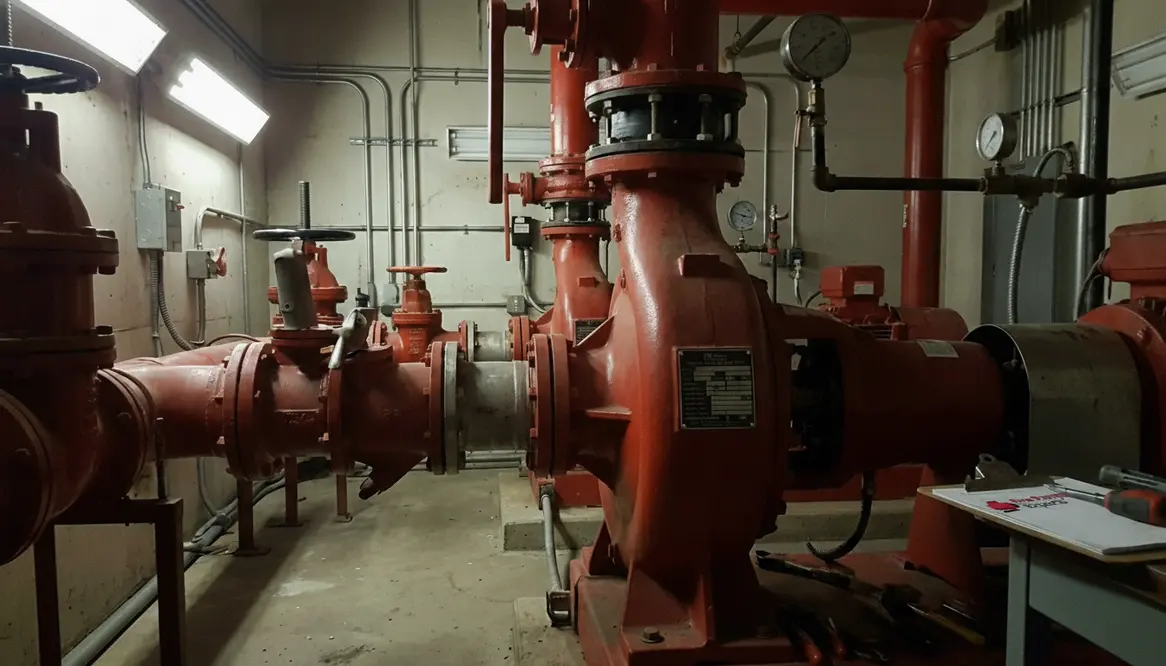
LPS 1131 Split Case Pump Requirements Guide
LPS 1131 Split Case Pump Requirements: What I Look For in Commercial and Industrial Fire Protection
When I look at LPS 1131 split case pump requirements, I focus on one thing first: reliable fire protection for commercial and industrial sites. That means major property buildings, plants, warehouses, and other large facilities that need steady water flow when it matters most. I do not treat this as a box checking exercise. I treat it like the backbone of a fire system, because in the real world, a pump that hesitates does not get a second chance. And yes, the fire does not care about your spreadsheet, your mood, or that one meeting that should have been an email.
In this article, I break down the main LPS 1131 requirements in plain language. I also explain how I judge split case pump design, testing, materials, and installation for serious commercial use. If you manage a site like that, this is the kind of detail that helps you sleep a little easier.
What LPS 1131 Split Case Pump Requirements Mean in Practice
I read LPS 1131 as a standard built around trust, performance, and repeatable results. It sets expectations for how a split case fire pump should perform under pressure, and that matters because fire protection systems must work fast and work the same way every time.
In practice, I look for a pump that can handle high flow demand, stable discharge pressure, and long term service in demanding spaces. A split case design helps because it supports strong performance and easier maintenance. That matters in facilities where shutdowns cost real money, and nobody wants a heroic repair scene straight out of a summer action movie.
How I Check Split Case Pump Design for Compliance
When I review a split case pump, I start with the build. I want a case that splits cleanly for inspection and service, because faster maintenance reduces downtime. I also look at the shaft, bearings, impeller, and casing materials. For commercial and industrial fire protection, these parts must hold up under heavy use and changing site conditions.
I also pay close attention to the pump curve. That curve tells me how the pump behaves at different flow points, and it helps me match the pump to the building demand. If the curve does not fit the system need, then the pump may look good on paper but act like a diva when the pressure rises.
Design details that support LPS 1131 requirements
For serious commercial sites, I expect the design to support stable operation even when conditions are less than perfect. That means a shaft sized to limit deflection, bearings selected for long life at expected loads, and an impeller that can deliver the rated flow and pressure without flirting with cavitation every time the system demand shifts.
Why Pump Testing Matters for LPS 1131 Compliance
I never trust design alone. Testing tells the truth. LPS 1131 split case pump requirements expect clear proof that the pump can perform as promised. So I look for factory test data, performance checks, and evidence that the unit meets the needed flow and pressure range.
Testing also helps me spot weak points before installation. For example, a pump may meet basic output goals yet show vibration, heat, or seal issues that could turn into trouble later. Since fire pumps support major properties and large facilities, I want more than a “looks fine to me” answer. That kind of logic belongs in a sitcom, not a fire room.
Testing practices that build confidence
When the test results line up with the LPS 1131 requirements and the pump curve, I know I am not betting the property on wishful thinking. I look for clear documentation, stable readings across the operating range, and no mystery spikes in vibration or temperature that hint at hidden problems.
Key Requirement Areas I Focus On
Requirement area
Flow performance
Pressure control
Materials
Access for maintenance
Testing proof
What I want to see
Stable delivery at the required demand point
Reliable output across expected system loads
Durable parts built for long service life
Easy inspection, service, and repair
Verified results that match the system plan
Installation Details I Never Ignore
Even a strong pump can underperform if the installation goes sideways. So I check alignment, base support, suction conditions, and piping layout. I also look for enough space around the unit for service access. If a technician needs yoga skills to reach a bolt, the setup needs work.
For commercial and industrial facilities, I also care about system integration. The pump must work with the controller, power source, alarms, and water supply without conflict. I want the full system to act like one team, not a group project with mixed feelings. Good installation reduces wear, improves response, and helps the fire pump do its job when seconds count.
Installation and the LPS 1131 requirements
A pump that technically meets LPS 1131 requirements on paper can still fail the real test if the suction piping is starved, the base is not rigid, or the electrical and control wiring look like a creative art project. I look for clean layouts, clear access, and pipework that keeps the pump calm instead of constantly fighting turbulence and strain.
What I Look For in Operation and Maintenance
After installation, I focus on how the pump will live in the real world. Regular inspection, testing, and maintenance keep the unit ready. I want clear access to records, easy review of service history, and a plan for replacing parts before failure starts a party nobody invited.
I also watch for signs that the operating environment may stress the pump. Heat, dust, vibration, and poor water conditions can all affect performance. Because of that, I think long term. A pump that passes today but ages badly will not serve a large facility well over time.
Keeping split case pumps aligned with LPS 1131 requirements
Over the life of the pump, I want the performance to stay close to what the test sheets promised. That means staying ahead of wear, tracking any drift in flow or pressure, and treating maintenance as part of meeting the LPS 1131 requirements, not as a separate chore to postpone until something breaks loudly enough.
Using LPS 1131 Guidance for Better Site Decisions
I use LPS 1131 split case pump requirements as a guide for smarter planning, not just compliance. When I compare options, I ask simple but useful questions: Does this pump fit the hazard? Can it support the building demand? Will it stay dependable under pressure? Can the team maintain it without drama?
For readers who want a deeper technical starting point, I also recommend reviewing this LPS 1131 split case pump requirements guide. It can help connect the standard to real world fire pump selection for commercial and industrial properties.
Planning with LPS 1131 requirements in mind
When I walk through options with a commercial or industrial team, I treat LPS 1131 requirements as a checklist for risk, reliability, and practicality. The standard keeps everyone honest about what the pump must do, how it should be tested, and what it will take to keep it ready across years of real use instead of a few tidy lines in a specification document.
FAQ
Conclusion
If you need a fire pump that fits a serious commercial or industrial site, I suggest treating LPS 1131 split case pump requirements as a planning tool, not a last minute hurdle. The right pump, tested and installed the right way, gives your property the kind of protection that earns trust over time. If you want help matching a split case pump to your facility, I recommend taking the next step now and reviewing your system with a specialist who knows what reliable fire protection really means.