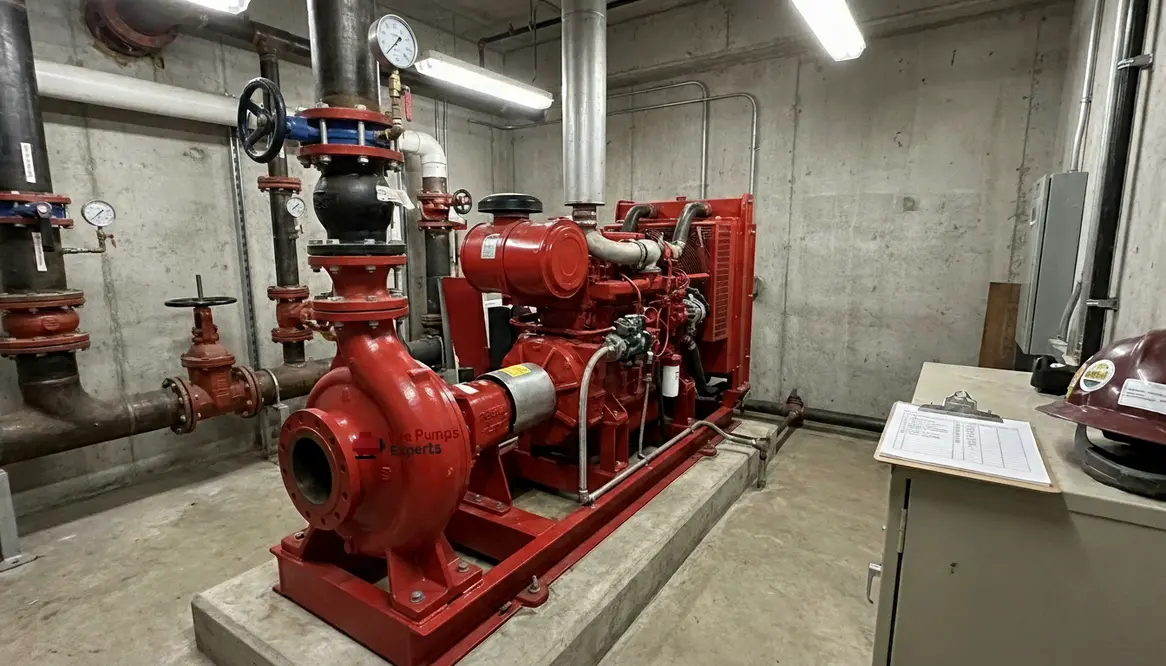
LPS 1131 Centrifugal Fire Pump Requirements Guide
LPS 1131 Centrifugal Fire Pump Requirements: What I Watch For in Commercial and Industrial Systems
When I look at LPS 1131 centrifugal fire pump requirements, I do not treat them like a box to tick. I treat them like the quiet backbone of a fire protection system for commercial and industrial buildings. After all, when a pump fails, the whole plan starts to wobble like a shopping cart with one bad wheel. In the first 100 to 150 words, I want to make this plain: LPS 1131 sets clear expectations for pump design, testing, installation, and ongoing care, and those rules help protect major properties from failure when pressure and flow matter most. So, if you run a warehouse, plant, office tower, or other large facility, this standard deserves your full attention.
Quick snapshot: why LPS 1131 matters
- Targets centrifugal fire pumps in commercial and industrial systems
- Sets expectations for design, installation, testing, and maintenance
- Aims to keep pressure and flow stable when demand peaks
- Helps facility teams turn “we hope it works” into “we know it works”
What LPS 1131 means for fire pump design
I start with design because that is where reliable protection begins. LPS 1131 focuses on centrifugal fire pumps that support fire sprinkler and fire suppression systems in commercial and industrial settings. It expects the pump to deliver the right flow and pressure under real fire conditions, not just on paper. That means I look at the pump curve, the water supply, the driver type, and the full system demand together.
Just as important, the pump must fit the building’s risk. A small demand mismatch can turn into a big problem later. Therefore, I always check whether the pump can handle the worst expected load while staying stable and dependable. No drama, no superhero music, just solid performance when seconds count.
Key design checks I make against LPS 1131 requirements
- Pump curve aligns with the building’s maximum fire demand
- Water supply can sustain flow without starving the pump
- Driver (electric or diesel) suits the risk and power reliability
- System layout avoids excessive friction losses before and after the pump
- Control valves and instrumentation let teams monitor performance clearly
LPS 1131 requirements for installation and layout
Installation matters just as much as the pump itself. A strong pump in a poor setup is like putting a racing engine in a grocery cart. It may look impressive, but it will not end well.
Here is a simple view of the main installation priorities:
| Area | What I check |
| Location | The pump room must stay accessible and protected |
| Foundation | The base must reduce vibration and support the full load |
| Piping | Suction and discharge lines must avoid strain and flow loss |
| Power and drive | The driver must match the system and stay ready for duty |
In addition, I watch for good clearance around the equipment. Teams need space to inspect, test, and service the unit. If the room feels cramped, maintenance becomes harder, and small issues can hide like a villain in the last scene of a thriller. That is why layout should support both performance and service access from day one.
How I check testing and performance
LPS 1131 does not stop at installation. It pushes for proof. That means testing must show the pump can do the job under real conditions. I pay close attention to flow, pressure, start behavior, and overall stability. If the pump starts badly or cannot hold the needed output, then the system has a weak link.
Regular testing also helps spot wear before it turns serious. Over time, seals age, parts loosen, and performance can drift. However, a smart test plan catches that drift early. That is the whole game: find the issue when it is still small and fix it before the building pays the price.
Performance checks tied to LPS 1131 requirements
- Start tests that reflect real emergency conditions
- Flow tests at different points along the pump curve
- Pressure verification at critical downstream locations
- Observation of vibration, noise, and temperature trends
- Recording data so future tests can spot performance drift
Why maintenance and records matter for long term reliability
Good fire pump care is not glamorous. It will not trend on social media. Still, it is where real reliability lives.
I keep maintenance simple and steady:
- I review the pump on a routine schedule.
- I track tests, repairs, and part changes.
- I look for leaks, heat, vibration, and odd noise.
- I confirm the driver and controls stay ready.
- I make sure any issue gets fixed fast.
These records do more than prove compliance. They also help me see patterns. For example, if a pump keeps losing pressure after service, I know I need to dig deeper. Because in fire protection, memory matters, and paperwork can save the day like a very boring but very loyal sidekick.
What I tell facility teams about compliance and risk
For commercial and industrial properties, compliance is not just about passing an inspection. It is about protecting people, operations, and assets. LPS 1131 centrifugal fire pump requirements help create a system that works when the pressure is real and the margin for error is gone. That matters most in large buildings where downtime can cost serious money and delay recovery.
I also remind teams that fire pump work should never feel casual. It needs trained review, clear planning, and steady follow through. If you want a strong example of LPS 1131 centrifugal fire pump requirements, use it as a benchmark for design, installation, testing, and upkeep in major properties. That way, you build for the emergency before the emergency shows up uninvited.
Using LPS 1131 requirements as your benchmark
- Check whether your existing pump selection still fits the building’s current risk
- Compare your installation layout against LPS 1131 requirements for clearance and access
- Align testing and maintenance routines with the standard’s intent, not just the minimum you can get away with
- Use test data trends to justify upgrades before a failure forces your hand
FAQ
Conclusion
If you manage a commercial or industrial property, I urge you to treat LPS 1131 centrifugal fire pump requirements as a core part of your protection plan. The right design, the right setup, and the right maintenance can make the difference between control and chaos. So, review your system, check your records, and keep your fire pump ready for the moment it matters most. If you want confidence, start with the standard and build from there.