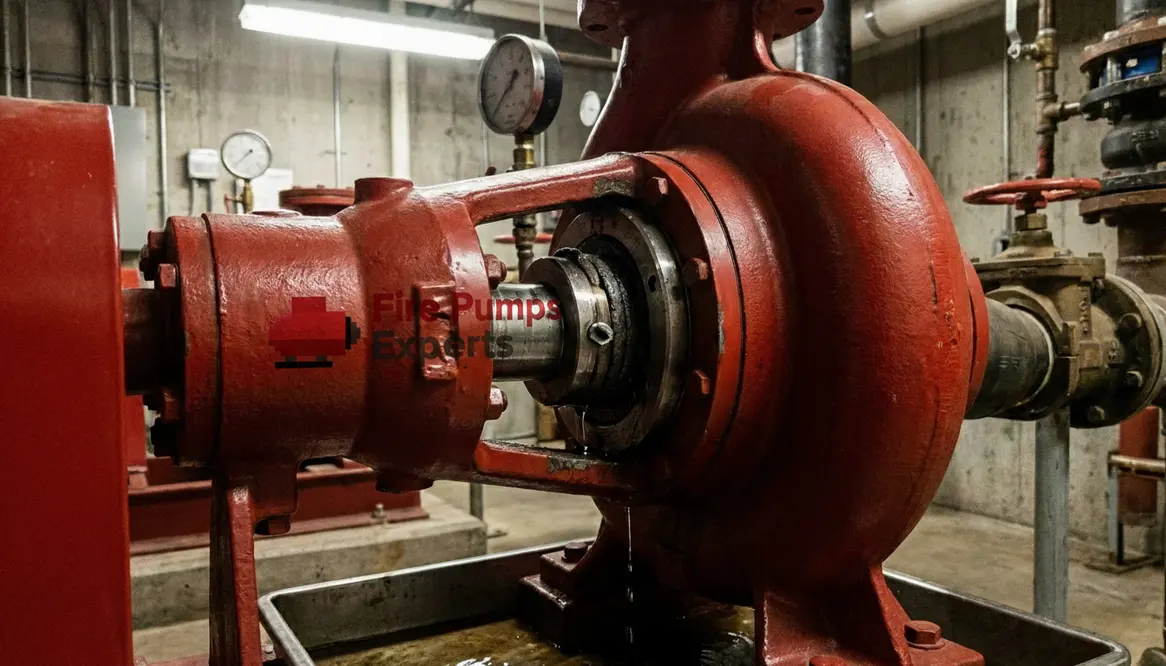
LPS 1131 Mechanical Seal Pump Requirements Guide
LPS 1131 Mechanical Seal Pump Requirements: when I look at fire protection systems for commercial and industrial facilities, this topic sits right near the top of the list. These pumps do not get applause, yet they carry a heavy load when a building needs steady water flow and dependable pressure. In a major property, that matters a great deal. The LPS 1131 mechanical seal pump requirements focus on seal strength, leak control, heat handling, and long term reliability. In plain terms, they help keep the pump working when the stakes are high. And yes, unlike a movie sequel, this is one place where “good enough” is not good enough.
In this article, I will walk through what the requirements mean, why they matter, and how I look at them in real world commercial and industrial use. I will keep it direct, useful, and free of fluff.
What LPS 1131 Mechanical Seal Pump Requirements Mean in Practice
When I evaluate LPS 1131 mechanical seal pump requirements, I start with one simple idea: the seal must keep the pump dependable under pressure. A mechanical seal sits at the point where moving parts and liquid meet, so it has one job that sounds simple and behaves like a stubborn boss. It must stop leaks while still letting the shaft move.
For commercial and industrial fire protection systems, that seal needs to handle long idle periods, sudden demand, and changing conditions. It also needs to resist wear from heat, pressure, and water quality. If the seal fails, the pump may lose efficiency, leak, or shut down when the system should be ready to perform. That is the kind of surprise nobody wants on a Monday morning.
In most cases, I look for a seal design that supports:
- steady operation under rated pressure
- low leak risk
- good heat resistance
- durable face materials
- compatibility with the pump’s duty cycle
These points shape the overall quality of the pump and help support reliable fire protection for large buildings and facilities.
How I Check LPS 1131 Seal Performance in Commercial Facilities
I do not treat seal performance as a side note. Instead, I look at how the pump behaves in the real world. First, I review the operating pressure and flow needs. Then I check whether the seal can handle the system’s working range without excess wear. A pump that only performs on paper is like a superhero with no cape and no flight plan.
Dual view of the main checks
Mechanical side
- Seal face material must match the service conditions
- Spring load must stay stable
- Shaft alignment must stay within spec
Operational side
- Pump must stay ready after long idle time
- Seal must support repeated starts and stops
- Inspection access should stay simple for maintenance teams
Also, I pay close attention to water conditions. Sediment, minerals, and poor water quality can shorten seal life. So, I always think about the whole system, not just the seal alone. That wider view helps commercial buildings avoid avoidable service issues later.
What building teams should ask before choosing a pump
Before anyone approves a pump for a major property, I suggest asking a few practical questions. These questions are not fancy, but they save time, money, and headaches. And frankly, headaches already have enough fans.
- Will this pump support the required fire protection demand?
- Can the mechanical seal handle the system pressure and temperature?
- Does the seal match the expected run time and cycling pattern?
- How easy will it be to inspect and maintain the unit?
- Does the system design support reliable operation in this building type?
If the answer to any of these is unclear, I slow down and look deeper. That is especially important for industrial sites, warehouses, large office towers, hospitals, and mixed use commercial properties. These buildings often depend on pumps that must perform without drama, and I say that with the respect a fire pump deserves. Which is a lot.
For teams that need a broader view of pump design and protection planning, I also recommend reviewing the Fire Pumps for Commercial and Industrial Buildings resource as a practical starting point.
Why maintenance matters more than most people think
Even a strong seal will wear if nobody gives the system proper care. I have seen good equipment lose its edge because maintenance slipped into the “we will get to it later” file. Later, as it turns out, is often where problems grow legs.
To keep LPS 1131 mechanical seal pump requirements on track, I focus on routine checks that catch small issues early. These checks often include visual leak review, shaft condition, vibration signs, and seal face wear. I also want to know whether the pump has run within its expected range and whether the system has stayed free from contamination.
Good maintenance gives teams a real advantage. It supports longer seal life, fewer shutdowns, and better system readiness. In a commercial or industrial building, that kind of reliability is not a bonus. It is the whole point.
When LPS 1131 requirements become a real advantage
Here is the part people sometimes miss: strong seal requirements do more than prevent leaks. They support confidence. They help engineers, facility teams, and property owners trust that the pump will do its job when demand rises fast. That matters in high value buildings where downtime can ripple through operations, safety planning, and insurance concerns.
So, I treat LPS 1131 mechanical seal pump requirements as a standard that helps separate a basic pump from a dependable one. When the seal is right, the whole system works with more stability. When the seal is wrong, the trouble tends to show up at the worst possible time, which feels very on brand for mechanical problems.
Key context for LPS 1131 requirements in real facilities
Behind the LPS 1131 requirements is a simple promise: when a fire pump is called on, it should not stall out, leak, or lose strength just because the seal was treated as an afterthought. In commercial and industrial settings, there is rarely a gentle middle ground between “works” and “does not work.”
That is why I keep one eye on the technical language and one eye on the plant floor, the riser room, and the pump house. The documents may talk about leakage limits, face materials, and thermal behavior, but what it all adds up to is whether the pump can sit quietly for months and then start like it has been waiting for this exact moment.
In practice, LPS 1131 requirements push everyone involved toward smarter choices: better seals, more realistic maintenance schedules, and clearer expectations for performance under stress. For a facility team managing older infrastructure, that kind of structure can feel less like extra paperwork and more like a checklist that keeps surprises to a minimum.
Conclusion
If I want a fire pump to serve a commercial or industrial property well, I start with the seal. The LPS 1131 mechanical seal pump requirements give me a clear path toward better reliability, less risk, and stronger system readiness. If you manage a major building or facility, now is the right time to review your pump setup, check the seal condition, and make sure your protection plan still fits the job. I would rather find a weak point today than a failure during an emergency.