LPS 1131 Soft Packing Pump Requirements Guide
LPS 1131 soft packing pump requirements matter when a commercial or industrial fire pump needs dependable sealing, steady performance, and less mess around the shaft. I look at them as the quiet rules that keep a serious machine from turning into a very expensive fountain. In major property buildings, these requirements help protect uptime, reduce wear, and support safe fire protection systems. So, if you manage a plant, high rise, warehouse, or other large facility, this topic deserves real attention. I will walk through what the requirements mean, why they matter, and how I use them to judge whether a pump setup is fit for the job.
What LPS 1131 soft packing pump requirements mean in practice
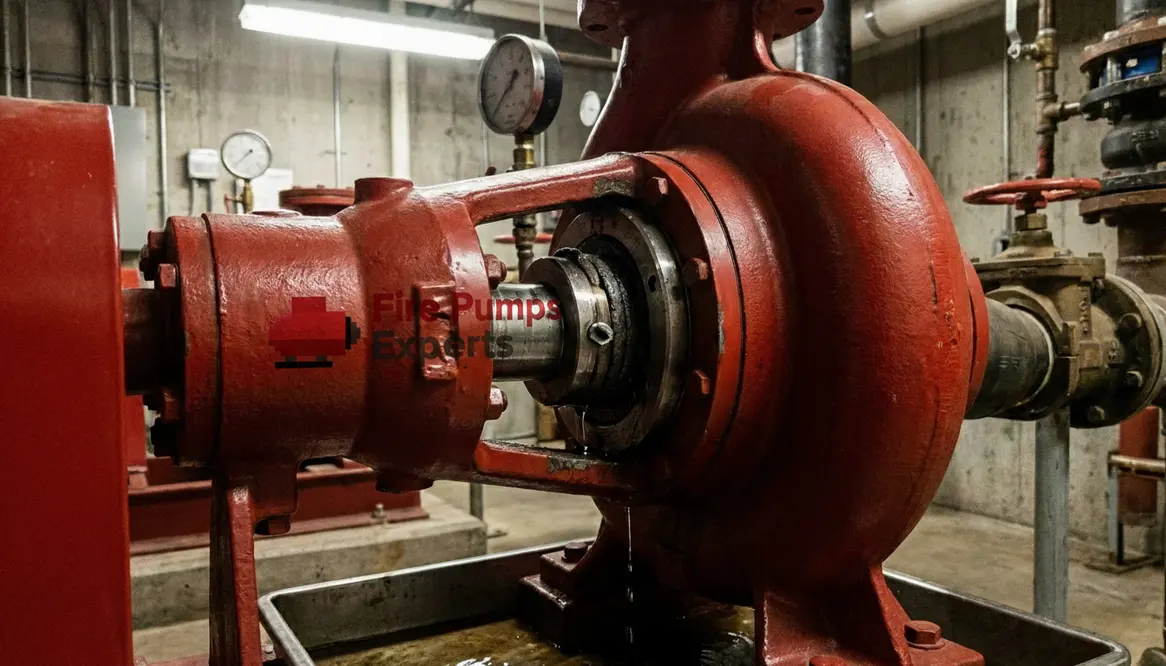
When I talk about LPS 1131 soft packing pump requirements, I mean the rules that guide how a pump shaft seal should perform under real fire protection use. Soft packing must control leakage without creating too much friction. That balance matters because too much squeeze can overheat the shaft, while too little can let water escape like it owns the place.
In plain terms, I check three things first. The packing must fit the shaft well, it must handle the pump duty, and it must work with the service conditions in the building. Since commercial and industrial facilities often run long hours and face high demand, the seal cannot be a guessing game. It has to support the pump without causing extra strain.
Also, these requirements help keep maintenance predictable. That matters in major properties where downtime costs money, creates risk, and sends everyone into emergency mode faster than a villain in a superhero movie.
How I check the pump design before installation
Before I approve a setup, I look at the full pump design, not just the packing itself. The shaft finish, stuffing box shape, cooling water flow, and alignment all affect how soft packing performs. If one part is off, the seal may wear early, run hot, or leak too much. And yes, one tiny problem can lead to one very large headache.
In my review, I focus on these design points:
- Shaft condition: I want a clean, smooth surface with no deep wear marks.
- Packing fit: I check that the packing size matches the pump and shaft setup.
- Leak control: I expect a small controlled drip where needed, not a steady stream.
- Heat control: I look for signs the packing can run without building excess heat.
- Service access: I make sure maintenance teams can inspect and adjust it safely.
For larger facilities, this step matters even more because the pump may sit in a critical fire protection loop. If the design does not support the use case, I would rather catch it early than explain it later with a wet floor and a costly repair bill.
What I expect during testing and inspection
Testing tells me the truth. A pump can look perfect in a drawing and still act like a drama queen in the field. During inspection, I watch how the soft packing behaves during startup, steady run, and pressure demand. I want controlled leakage, smooth shaft movement, and no abnormal heat or vibration.
I also check how the packing responds after it settles in. Soft packing often needs a short break in period, but that does not mean I accept poor performance. Instead, I look for gradual improvement and stable operation. If the pump keeps needing constant adjustment, I treat that as a sign that something deeper needs attention.
For commercial and industrial properties, this step supports both safety and uptime. A fire pump should not demand daily babysitting. That kind of relationship is for houseplants, not emergency equipment.
Why maintenance rules matter for long term performance
Soft packing works best when someone gives it steady care. I always tell teams that the seal is not a set it and forget it part. It needs inspection, small adjustments, and replacement at the right time. Otherwise, wear builds up, friction rises, and the pump starts to lose its clean run.
Quick view of what I track
Daily or weekly: I look for leaks, noise, and heat.
Monthly: I check alignment, gland condition, and packing wear.
As needed: I replace packing if it hardens, frays, or stops sealing well.
Because many major properties rely on fire pumps for life safety, maintenance cannot drift into the background. I want the system ready, calm, and consistent. That means using clear records, trained staff, and a simple service plan that the team can follow without needing a treasure map.
Also, good maintenance helps the pump meet the intent of LPS 1131 soft packing pump requirements over time, not just on day one. That difference matters a great deal in busy facilities where equipment sees real stress.
How I use LPS 1131 requirements on real projects
When I apply these requirements on a project, I start with the building type, water demand, and fire protection setup. Then I confirm that the pump and packing choice match the risk level. I do not treat a warehouse the same way I treat a small office, because they do not face the same load or safety pressure.
I also look at nearby conditions such as room heat, access for service, and the chance of long run times during an emergency. Those details help me decide whether the pump packing will support reliable service or create more work than it saves. In practice, that means I use the requirements as a guide for fit, function, and upkeep.
If I need a deeper technical reference, I also review the commercial fire pump guidance at firepumps.org to keep the focus on major properties and industrial sites. That keeps the conversation grounded where it belongs, which is in serious buildings with serious protection needs.
On real projects, I treat LPS 1131 requirements as the baseline for sanity. They help me pick packing materials that will not crumble under heat, choose configurations that keep leakage predictable, and align expectations between owners, installers, and maintenance teams. Without those anchors, every pump room turns into an experiment, and I prefer results over experiments when water under pressure is involved.
The keyword phrase LPS 1131 requirements shows up in my design notes, commissioning checklists, and maintenance talks for a reason. It keeps everyone circling the same standard instead of arguing about personal preferences or past habits. When you have a fire pump sitting quietly in the corner waiting for a bad day, that kind of clarity is worth more than a shiny coat of paint on the casing.
Bringing LPS 1131 soft packing pump requirements into your routine
The useful part of LPS 1131 soft packing pump requirements is not just the technical language; it is how you weave them into everyday routines. During design, they shape the selection. During installation, they guide alignment, torque, and initial settings. During operation, they sit behind every inspection round, telling you what “normal” should look like and when “normal” has left the building.
When maintenance teams understand why those requirements exist, they stop treating packing as a mysterious thing that only gets attention when the floor is already wet. Instead, they start checking drip rate, surface temperature, and adjustment travel as routine indicators. Over time, that mindset shift prevents problems, instead of just responding to them with mops and purchase orders.
FAQ
Common questions around LPS 1131 requirements
A lot of the same questions pop up whenever LPS 1131 requirements enter the conversation: What exactly do they cover, how strict are they, and do they really change what happens in the pump room? The short version is that they frame how soft packing should behave, how you should look after it, and how you decide whether a pump setup is actually ready for the day it is needed most.
Conclusion
Soft packing may not be the flashiest part of a fire pump, but it quietly decides whether the system behaves like a disciplined machine or a leaking sideshow. Using LPS 1131 soft packing pump requirements as the backbone of design, installation, and maintenance keeps that decision in your favor. When the standard becomes part of everyday practice, not just a line in a specification, you get cleaner pump rooms, fewer surprises, and a far better chance that the system will do exactly what it should on the worst day in the building’s life.
If you manage or influence a commercial or industrial fire protection system, put those requirements where everyone can see them: on checklists, in procedures, and in training sessions. One thorough review of your packing arrangements today costs a fraction of one failure tomorrow, and it might be the quiet difference between a contained incident and a very expensive lesson in why details matter.