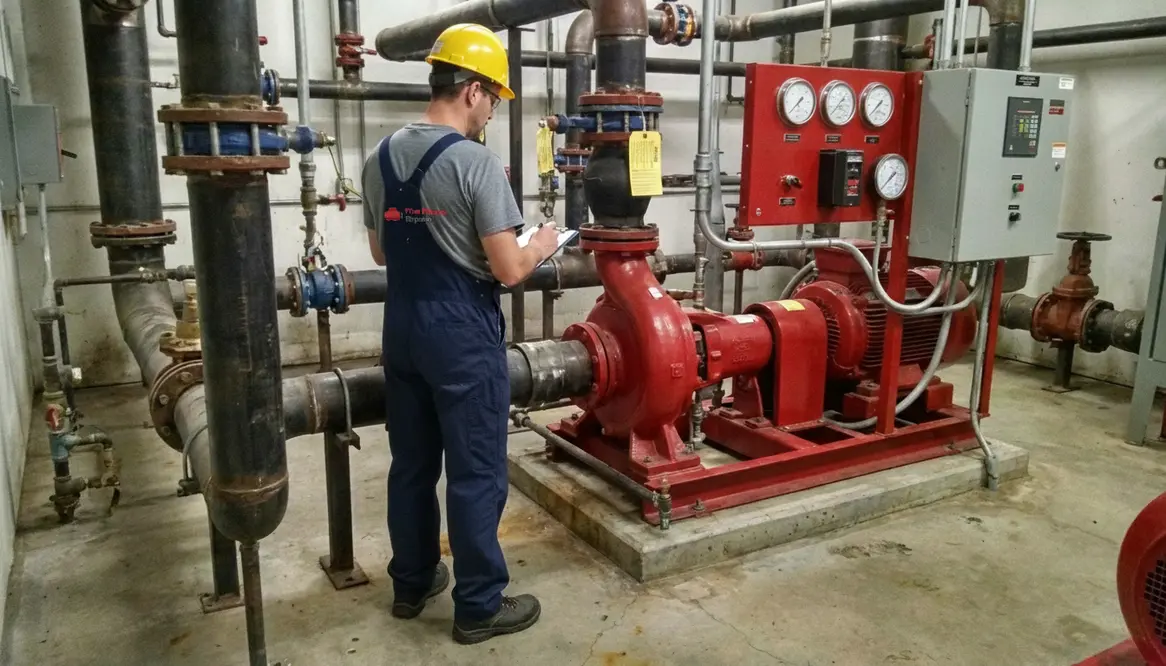
LPS 1131 Fire Pumps Guide for Commercial Safety
If I had a dollar for every time a building owner said, “It’s just a pump, right?” I would probably own a small stadium by now. The truth is far more serious. LPS 1131 fire pumps play a major role in protecting commercial and industrial facilities, large warehouses, plant rooms, and major property buildings where fire risk can move fast and hit hard. In this guide, I will walk through what LPS 1131 approval means, why it matters, and how I look at these systems when safety, compliance, and long term reliability all need to line up at once. Quietly, and with a bit of backbone.
LPS 1131 Approved Fire Pumps Guide
LPS 1131 approved fire pumps are not just pieces of plant buried in a basement room. They are engineered safety assets designed to step in when mains water and standard building services are no longer enough. The right system turns chaos into something that can be contained, controlled, and, with some luck, walked away from.
What LPS 1131 approval means for fire pump systems
LPS 1131 is a certification standard that checks whether a fire pump system can perform under real emergency conditions. In plain terms, it tells me the pump has been tested for reliability, build quality, and output when pressure matters most. That matters a lot in commercial and industrial sites, because these buildings often hold high value assets, busy staff areas, and complex fire protection needs.
When I look at LPS 1131 fire pumps, I see more than a product label. I see a system that has been pushed through strict tests so it can support sprinklers, hydrants, or other fire protection setups when water supply conditions are not ideal. In other words, it is the difference between a backup plan and a prayer. And yes, firefighters prefer the first one.
Why commercial and industrial facilities need approved fire pumps
Large facilities do not forgive weak fire protection. A warehouse fire can spread with stunning speed. A manufacturing plant can face heat, smoke, chemical risk, and equipment loss all at once. Major property buildings bring their own mix of tenant safety, asset protection, and business interruption concerns. So, I always treat the pump as a core safety asset, not a side note hiding in a mechanical room.
Approved fire pumps help these sites in several ways:
- They support steady water flow during fire events
- They help meet insurer and compliance expectations
- They reduce risk of system failure in high demand moments
- They give facility teams more confidence in emergency planning
Because of that, many owners ask for LPS 1131 fire pumps when they want a system that fits serious commercial use. That is not overkill. That is common sense wearing work boots.
How insurers and standards come into play
For many commercial and industrial sites, the conversation about LPS 1131 approved systems starts with insurance and local fire standards. Insurers often expect a level of certified reliability, especially where inventories, production lines, or critical infrastructure could be lost. Fire safety standards and building codes then layer in their own requirements for water supply, duration, and pump performance.
LPS 1131 fire pumps keep those conversations predictable. Instead of debating whether a generic pump will be accepted, the certification provides a shared reference point. It tells risk managers, fire engineers, and enforcement bodies that the hardware has already faced hard testing before anyone signs off on the design.
How I compare LPS 1131 fire pumps for real site needs
When I compare pump options, I do not start with shiny brochures. I start with the site. I look at the building type, water supply, pressure needs, fire system layout, and operating hours. Then I match the pump to the job. A pump for a distribution center will not always suit a high rise property or a heavy industrial site. Same family, different drama.
Key site factors I always check
Site factor
I rarely find two identical buildings. Every commercial or industrial site brings its own mix of occupancy, process risk, and layout headaches. So I start with the simplest question: what is this place actually doing, and how does fire water support that activity if something goes wrong?
What I check
From there, I trace how water has to move through the system: which zones need it first, how far it must travel, and what pressure it needs to arrive with. Only when that picture is clear do I start talking about specific pump curves, drive types, and control packages.
Four essentials before choosing the pump
Water supply
Is the incoming supply stable, weak, or likely to drop during peak use? A pump that looks fine on paper can struggle badly if the town main sags every weekday at 8 a.m. Matching LPS 1131 fire pumps to poor or fluctuating mains often means including tanks, booster arrangements, or more resilient drive choices.
Building demand
Does the site need support for sprinklers, hose reels, hydrants, or all three? Each demand profile shapes pump sizing and control strategy. A single low rise storage building behaves very differently from a multi-level property with mixed-use floors and critical plant rooms.
Duty and standby needs
Does the site need one pump, a twin set, or a backup arrangement? Serious commercial risk often calls for duty and standby, which changes footprint, power supply planning, and control logic. If a site cannot tolerate downtime, the pump system cannot be a single point of failure.
Operating environment
Will the system sit in a clean plant room or a tougher industrial space? Heat, dust, vibration, and access routes all matter. A beautifully specified pump is still a problem if technicians need climbing gear and a sense of humor just to reach the controller.
This kind of review helps me choose LPS 1131 fire pumps that fit the building instead of forcing the building to adapt to the pump. That usually ends badly, and not in a fun movie montage way.
What I look for during installation and testing
Installation is where good planning becomes real protection. I always look for clean pipework, proper access, correct controls, and enough space for service work. If maintenance teams cannot reach the system easily, then the design already has a problem. A fire pump should not feel like a cursed puzzle box from a fantasy film.
Installation details that separate good from risky
I check alignment, valve orientation, strainers, and support brackets with as much attention as the pump itself. A wrongly placed valve or an awkwardly routed suction line can undo a lot of performance. Clear labeling and logical layout matter just as much, especially when a fault alarm appears at 3 a.m. and someone has to make fast decisions.
Testing that proves performance, not just paperwork
Testing matters just as much. I want to see flow checks, pressure checks, control tests, and alarm checks carried out in a clear and documented way. If the system uses diesel or electric drive, I also want to know that start up behavior and supply stability have been reviewed. This is where LPS 1131 fire pumps show their value, because approval standards push everyone to take performance seriously, not casually.
How to keep the system reliable after approval
Approval is not the finish line. It is the starting point. I always tell facilities teams that a fire pump must stay ready, not just look ready. That means routine checks, planned service, and quick repair of any fault. Dust builds up. Valves shift. Parts wear out. Life happens, even in plant rooms.
To keep the system in shape, I recommend:
- Regular visual inspections
- Scheduled start tests
- Pressure and flow checks
- Clear service records
- Fast action when alarms or faults appear
Good maintenance also protects your budget. A well cared for system lasts longer and causes fewer surprises. And surprise is great for birthday parties, not for fire protection.
Finding support from specialists
If the site team is light on experience with certified systems, it pays to bring in specialists who work with LPS 1131 fire pumps regularly. They can help align maintenance routines, testing intervals, and upgrade plans with what insurers and standards bodies expect. A short, informed visit usually costs less than a long investigation after something fails.
When looking for this support, make sure any partner is clear about approvals, test reports, and documentation. If they are vague about where certification starts and stops, or how to keep records in line with audit needs, that is a red flag. Clear answers now are easier than awkward meetings later.
FAQ about LPS 1131 Approved Fire Pumps
Conclusion
If you manage a commercial or industrial site, I would treat LPS 1131 approved fire pumps as a serious investment in safety, uptime, and peace of mind. They support fire protection when conditions get rough and seconds matter. So, if your building needs a pump system that can handle real demand, I recommend taking the next step now. Review your site, check your compliance needs, and speak with a fire pump specialist who understands major property protection from the inside out.
When you combine a clear understanding of your building with certified equipment, robust testing, and disciplined maintenance, the result is simple: a fire protection system that behaves the way you expect it to when everything else is under stress. That is exactly what LPS 1131 fire pumps are built to support, and exactly why they earn their place in serious commercial and industrial projects.
For more information on certified fire pump solutions and wider system design, you can explore resources at https://firepumps.org or speak directly with a specialist who deals with complex facilities day after day.