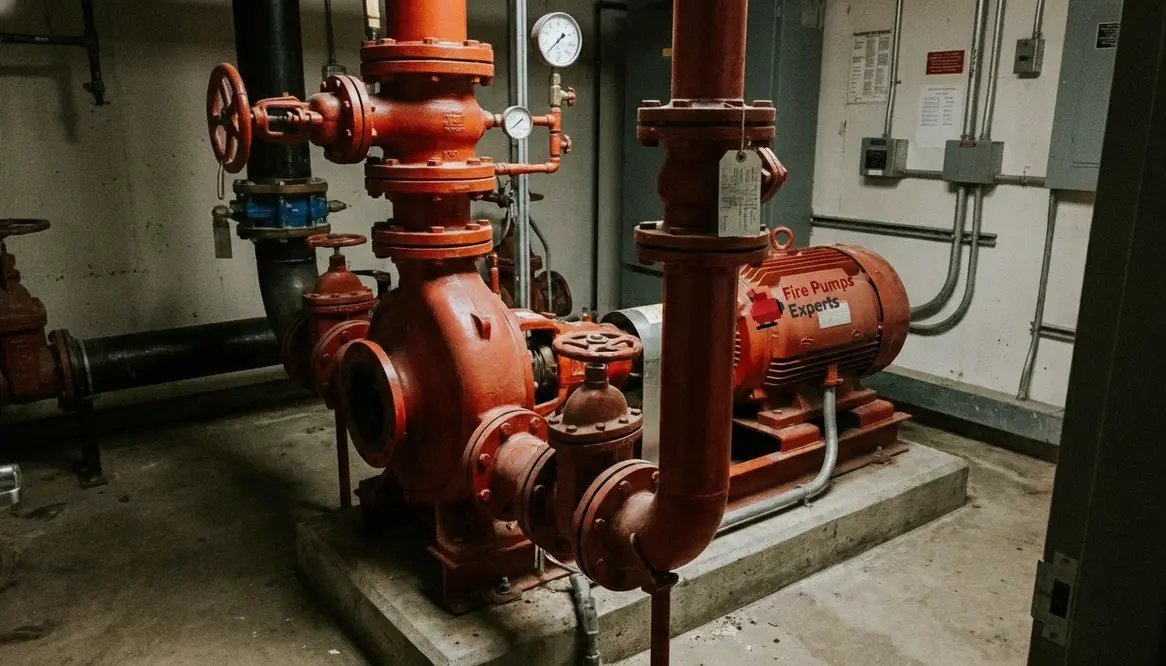
LPS 1131 Single Stage Fire Pump Requirements Guide
LPS 1131 Single Stage Fire Pump Requirements matter more than most people realize. In a commercial or industrial building, a fire pump is not just another piece of mechanical gear sitting in the back room and minding its own business. It is part of the life safety backbone. I look at LPS 1131 requirements as the rulebook that helps make sure a single stage fire pump can deliver dependable pressure when the system needs it most. In the next sections, I will break down the core points in plain language, so you can see what matters, why it matters, and how it fits major properties that cannot afford guesswork.
What I Mean by LPS 1131 Single Stage Fire Pump Requirements
When I talk about LPS 1131 single stage fire pump requirements, I mean the set of standards used to guide the design, build, testing, and use of these pumps in large fire protection systems. A single stage pump uses one impeller stage to move water at the needed pressure. That sounds simple, and honestly, that is part of the appeal. Fewer moving parts can mean easier upkeep, but only if the pump is designed and installed the right way.
For commercial and industrial facilities, the focus stays on performance under stress. The pump must support the sprinkler system, stand up to demand, and do so without acting like a diva during an emergency. I always treat the standard as a practical safety tool, not paperwork in a suit.
How I Check Pump Design and Performance
The first thing I look at is whether the pump matches the building’s fire water needs. The system must provide enough pressure and flow for the site, and the pump must do that without losing stability. In simple terms, it should push water hard enough, but not so hard that the rest of the system gets angry about it.
The key points usually include these:
- Proper rated flow for the hazard level
- Sufficient pressure for the full fire system
- Stable performance across expected operating conditions
- Materials and parts that suit long term service in a harsh environment
Just as important, the pump curve should align with the system design. If it does not, then the whole setup can fall apart faster than a bad sequel. I also check that the motor or driver can support the load without strain. A strong pump with a weak driver is like giving Batman a bike with a flat tire.
What LPS 1131 Requires for Installation and Site Conditions
Installation matters just as much as the pump itself. I always remind teams that a fire pump does not live in a vacuum. It works inside a full system, and the room around it matters. That means proper access, enough space for service, and clean setup conditions that support reliable operation.
Left column
- Easy access for inspection and repair
- Protection from heat, cold, flooding, and damage
- Clear piping layout with no awkward stress on the pump
Right column
- Good power or driver support
- Reliable water supply and suction conditions
- Room for testing, valves, and control gear
Also, the pump room should stay secure and easy to manage. In major properties, people often crowd mechanical space like it is free real estate. That is where problems begin. A clean layout helps the fire pump stay ready and makes inspections much easier.
How I Approach Testing, Maintenance, and Records
Testing is where the standard proves its worth. A fire pump must not only look ready. It must perform when called. Therefore, I expect routine tests that confirm pressure, flow, start behavior, and control response. If the pump hesitates, leaks, overheats, or loses output, that is not a minor mood swing. That is a warning sign.
Maintenance should stay regular and direct. I look for checks on bearings, seals, alignment, valves, wiring, and controller function. In addition, the water source should stay dependable, because a pump can only do so much if the supply falls short. Records matter too. Clear logs help building teams track trends, catch problems early, and show that the system gets proper care.
For owners and facility managers, this is where commercial fire pump guidance can support better decisions. That kind of help matters when the building is large, the risk is real, and the margin for error is tiny.
When I Tell Facility Teams to Pay Extra Attention to LPS 1131 Requirements
I pay extra attention to LPS 1131 requirements when the property has high fire risk, large floor areas, critical operations, or complex water demand. Industrial plants, warehouses, data centers, and major commercial buildings often need careful review because one weak link can affect the whole protection plan.
Here is the short version. If the building has expensive assets, many occupants, or systems that cannot shut down easily, then the pump has to earn its keep every day. I also keep a close eye on upgrades and retrofits. Old systems can hide issues that only show up when the pressure drops and everyone suddenly remembers why fire pumps exist in the first place.
FAQ: LPS 1131 Single Stage Fire Pump Requirements
Conclusion
If you manage a commercial or industrial property, do not treat fire pump compliance as background noise. I recommend reviewing your system against LPS 1131 single stage fire pump requirements, checking the pump room, and verifying test records now. A careful review today can prevent a costly failure tomorrow. If your building depends on reliable fire protection, take the next step and make sure every part of the pump system is ready to perform when it counts.