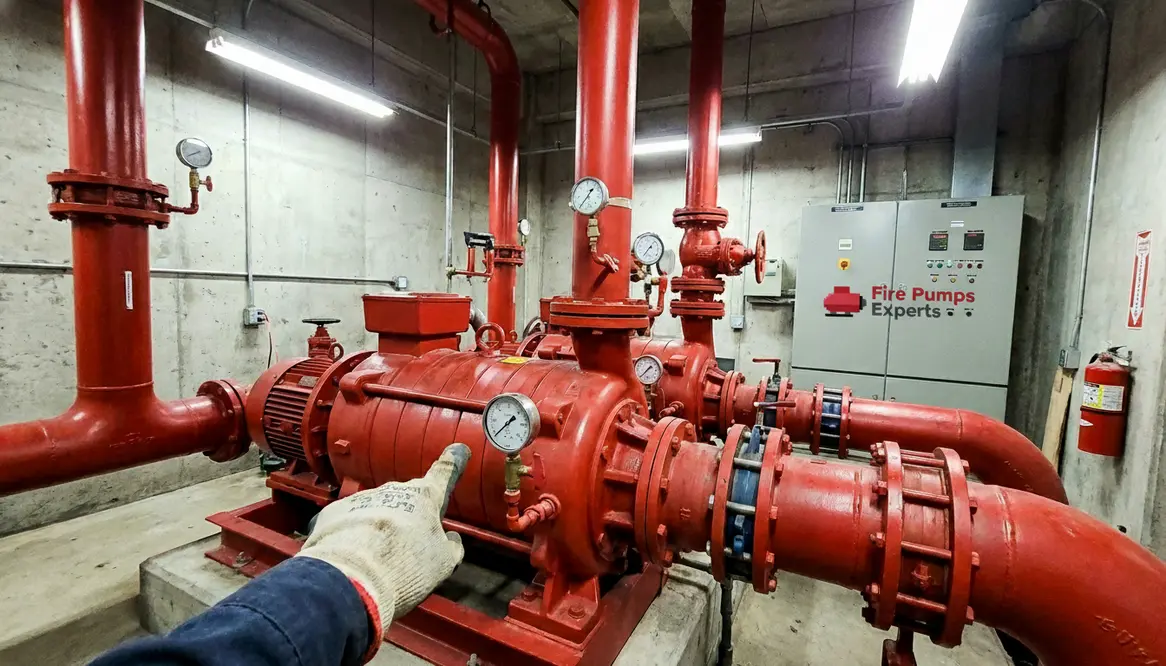
LPS 1131 Multi Stage Fire Pump Requirements Guide
How I design, select, and keep multi stage fire pumps honest for real commercial and industrial sites that cannot afford guesswork.
LPS 1131 Multi Stage Fire Pump Requirements matter when a commercial or industrial property needs steady fire protection that does not blink, stall, or act like it forgot its job. I write about these requirements because they guide how I select, install, and verify a pump system that can support large buildings, plants, warehouses, and major property sites. In other words, this is not the place for guesswork. When I work through LPS 1131 requirements, I focus on pressure, reliability, testing, and the full system around the pump. That is where the real safety lives.
What I mean by LPS 1131 multi stage fire pump requirements
When I look at LPS 1131 requirements, I treat them as a clear standard for fire pump performance and system quality. Multi stage fire pumps matter because they can build the pressure needed for tall or spread out commercial and industrial buildings. That extra lift helps the system push water where it must go, even when the site has long pipe runs or demanding fire protection loads.
So, I do not think only about the pump itself. I also think about the full setup. That includes the water source, suction conditions, pressure needs, controller fit, and the room the pump lives in. If one piece slips, the whole thing gets moody. Fire systems do not need drama. They need consistency, like a good classic rock song that always lands on beat.
How I check the pump design and system fit
First, I match the pump to the real demand of the site. Then I check the flow and pressure needs for the building type, fire risk, and pipe layout. Multi stage pumps help because they can deliver higher pressure without forcing me into poor choices that hurt performance. For commercial and industrial properties, that often means a better answer for high rise areas, large floor plates, or complex sprinkler systems.
Next, I review the suction supply. If the source cannot feed the pump properly, the system loses strength fast. I also confirm the pump curve fits the expected load. This step matters because a pump that looks good on paper can still fail in practice if the actual system demand goes off script.
Key design checks I always make
Here is the simple version in two columns:
Left column
- Water supply size and stability
- Suction pressure and lift limits
- Required flow at rated pressure
- Site layout and pipe length
Right column
- Controller and power source match
- Room size and access space
- Testing and maintenance path
- Local code and insurer needs
What LPS 1131 requires for installation and room setup
I pay close attention to the pump room because a strong pump in a poor room still has problems. LPS 1131 requirements push me to think about access, ventilation, drainage, lighting, and protection from damage. A pump room should stay dry, clear, and easy to inspect. If the room feels cramped, I know future service will become a headache, and nobody wants that kind of surprise during a fire event.
Also, I make sure the pump is installed so it can be reached and serviced without a fight. The controls need space. The valves need access. The piping must support the pump rather than stress it. I keep the path clean from the start because maintenance teams deserve a setup that behaves like a grown up, not a toddler in a costume.
How I test a multi stage fire pump under LPS 1131
Testing is where the system tells the truth. I do not trust a quiet pump room more than I trust a superhero with no follow through. I verify start up, pressure rise, flow output, controller action, and overall stability. If the pump cannot hold the needed pressure across the test range, then I know more work is needed.
I also check for signs of vibration, leaks, heat issues, or uneven performance. These details matter because small problems often grow into costly failures. In commercial and industrial buildings, fire protection must work on the worst day, not just on the day it was installed. So I treat testing as proof, not ceremony.
Why maintenance and records matter for commercial properties
After installation, I keep the focus on maintenance. A multi stage fire pump needs regular checks, test runs, and record keeping. This helps me spot wear before it turns serious. It also helps the property team show that the fire pump stayed ready and compliant.
For major properties, this is more than a box to tick. It protects people, equipment, and business continuity. A large site can lose time, money, and trust if fire protection fails. That is why I keep records of inspections, repairs, test results, and any changes to the system. Good records tell the story before a problem gets the chance to write its own messy sequel.
What commercial and industrial owners should ask me before choosing a pump
Before I recommend a system, I ask a few direct questions. What is the site risk level? How large is the building? How high must the water travel? What does the water source provide today, and how stable is it? These questions help me build the right answer instead of a hopeful one.
I also ask about future growth. A plant may expand. A warehouse may add racks. A tower may change use. Because of that, I think ahead while I design. That is the smart move, and it often saves money later. No one enjoys replacing a pump early because the original plan had the foresight of a goldfish.
How LPS 1131 requirements shape real-world projects
On real commercial and industrial jobs, LPS 1131 requirements are the quiet rules that keep the whole fire protection story from going off the rails. They push me to prove that the water source is stable, that the multi stage fire pump matches the hydraulic demand, and that the pump room, power supply, and controller all pull in the same direction. The standard does not care about shortcuts, and that is a good thing when lives and assets are on the line.
They also keep everyone honest after handover. When maintenance teams know the system was built against a defined benchmark, it is easier to keep testing, records, and upgrades aligned with that benchmark. LPS 1131 requirements give insurers and auditors something solid to point at when they ask whether a multi stage fire pump is more than just an expensive red decoration in the basement.
Conclusion
If you manage a commercial or industrial property, I can help you make sense of LPS 1131 requirements and turn them into a working fire pump plan. The right multi stage fire pump does more than move water. It protects people, assets, and uptime. So, if you want a system that fits your site and stands ready when it counts, reach out and let me help you build it right from the start.
If you want to explore more technical detail about fire pumps and standards, you can start with specialist resources such as https://firepumps.org and then align that knowledge with what LPS 1131 requirements expect on your specific site.