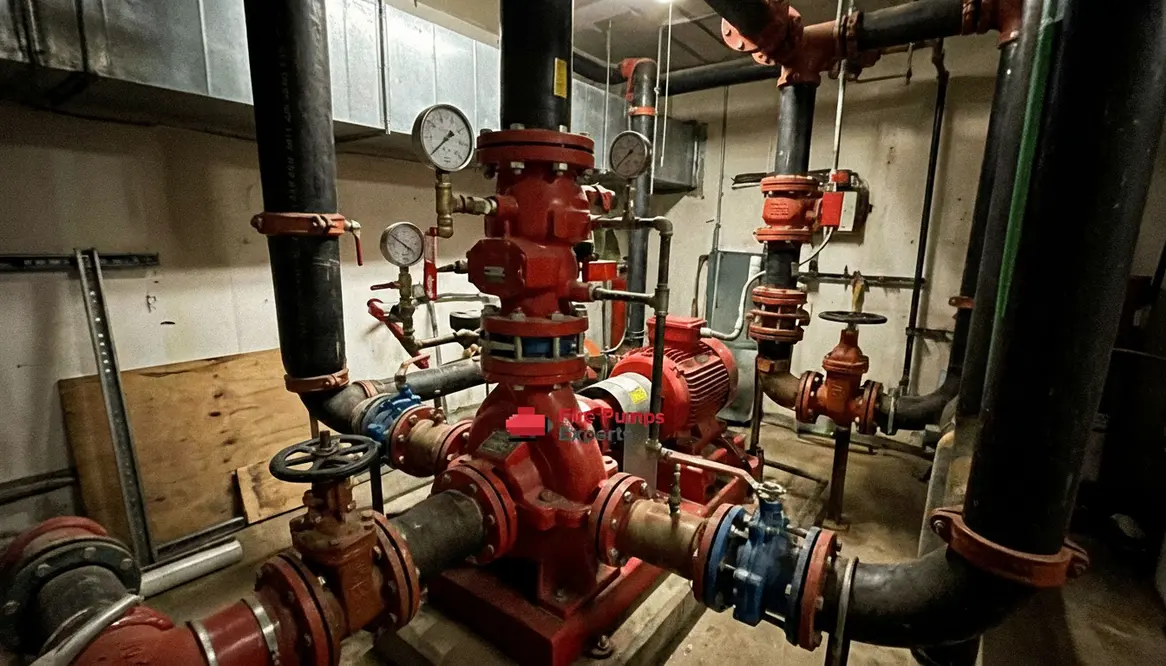
LPS 1131 Sprinkler Pump Approval Requirements Guide
LPS 1131 Sprinkler Pump Approval Requirements Overview
When I look at LPS 1131 sprinkler pump approval, I see more than a stamp on a piece of equipment. I see a path to safer commercial and industrial buildings, fewer surprises, and a lot less panic when a fire system has to do its job. In the world of major property protection, that matters. A lot. The LPS 1131 standard sets a clear bar for sprinkler pump performance, build quality, and reliability, which is why owners, engineers, and fire protection teams treat it with such respect. And yes, this is one of those topics that sounds dry at first, yet it can save a building from becoming a very expensive campfire.
What I Look For In LPS 1131 Sprinkler Approval
First, I check whether the pump package matches the approved design and use case. LPS 1131 does not give a free pass to “close enough.” It expects the pump to perform under real fire demand, not just look good on paper. Therefore, I look at the pump type, driver, controller, materials, and how the full assembly supports dependable operation in a commercial setting.
Next, I review the testing process. Approval normally depends on strict factory testing, documented results, and proof that the pump can deliver the required flow and pressure. In other words, the approval is earned, not gifted. That is comforting, because I would rather trust a tested pump than a hopeful one. Hope is fine for movie sequels, but not for fire protection.
Finally, I confirm that the unit fits the project’s risk level. Large warehouses, hospitals, high rise towers, and industrial plants need systems that can handle serious demand. So, I always ask whether the approval covers the actual job site needs, not some smaller cousin of the same system.
Equipment Side vs Documentation Side
To keep things clear, I break the main approval needs into two parts:
- Equipment side
- Documentation side
On the equipment side, I want verified materials, stable construction, and a driver that supports long term service. On the documentation side, I want test records, model details, and approval papers that line up with the installed design. If those two sides do not match, then trouble starts. And trouble, as we know, loves paperwork almost as much as it loves delays.
In practice, I also look for compliance with the right installation rules, proper controller setup, and clear maintenance access. A pump can be approved, but if no one can inspect or service it without a small engineering miracle, then the system loses value fast. I always remind teams that a sprinkler pump should not need a treasure map.
How I Check Performance And Testing Details
I start with the rated duty point. That tells me what flow and pressure the pump must deliver. Then I compare the test data with the project design. If the pump falls short, even a little, I treat that as a real issue. Fire protection does not reward “almost.”
After that, I look at the churn test, the full load test, and any additional verification tied to the approval. These tests show how the pump behaves across different conditions. They matter because real fire events do not arrive in a neat, polite way. They show up with pressure changes, demand swings, and enough chaos to ruin a planner’s day.
I also review the controller and driver behavior. A dependable pump needs a clean start, stable operation, and clear alarms. If the controller acts confused, I get concerned quickly. A fire pump should not behave like a side character in a sitcom who forgets its lines.
What LPS 1131 Means For Major Properties
For large commercial and industrial buildings, this approval brings confidence. It helps owners reduce risk, support insurance goals, and show that they take fire safety seriously. More importantly, it gives the fire protection team a solid base for long term reliability.
It also helps during reviews, upgrades, and inspections. When a facility uses approved equipment, conversations move faster. That saves time for engineers, facility managers, and contractors who already have enough on their plates. And in my experience, anything that saves time in a major property project is worth its weight in gold, or at least in coffee.
Area
- Risk control
- Project review
- Facility planning
- Insurance support
Why It Matters
- It helps ensure the pump can perform during a fire event
- It supports smoother approval and inspection work
- It makes maintenance and replacement decisions easier
- It shows a stronger commitment to protected property
Where I Recommend Checking Expert Guidance
When I need deeper technical help, I look for trusted fire pump resources that focus on commercial and industrial facilities. For broader context, I recommend reviewing approved fire pump guidance for major properties alongside the manufacturer data and project specs. That kind of cross check helps reduce errors before they become expensive lessons. And if there is one thing I have learned, it is that fire protection mistakes never arrive alone.
If you are comparing options, looking at the LPS 1131 sprinkler pump approval details alongside other listings and standards can also be helpful. A clear comparison table from a specialist site such as https://firepumps.org can highlight how different pumps stack up for large commercial risks.
FAQ: LPS 1131 Sprinkler Pump Approval
Conclusion
If you manage a commercial or industrial property, I suggest treating LPS 1131 sprinkler pump approval as a core part of your fire safety plan, not a side note. The right approval supports performance, protects assets, and keeps your project on steadier ground. So, before you buy, install, or replace a pump, review the approval papers, compare the test data, and verify the design fit. A calm system starts with a careful choice, and that choice pays off when it counts.