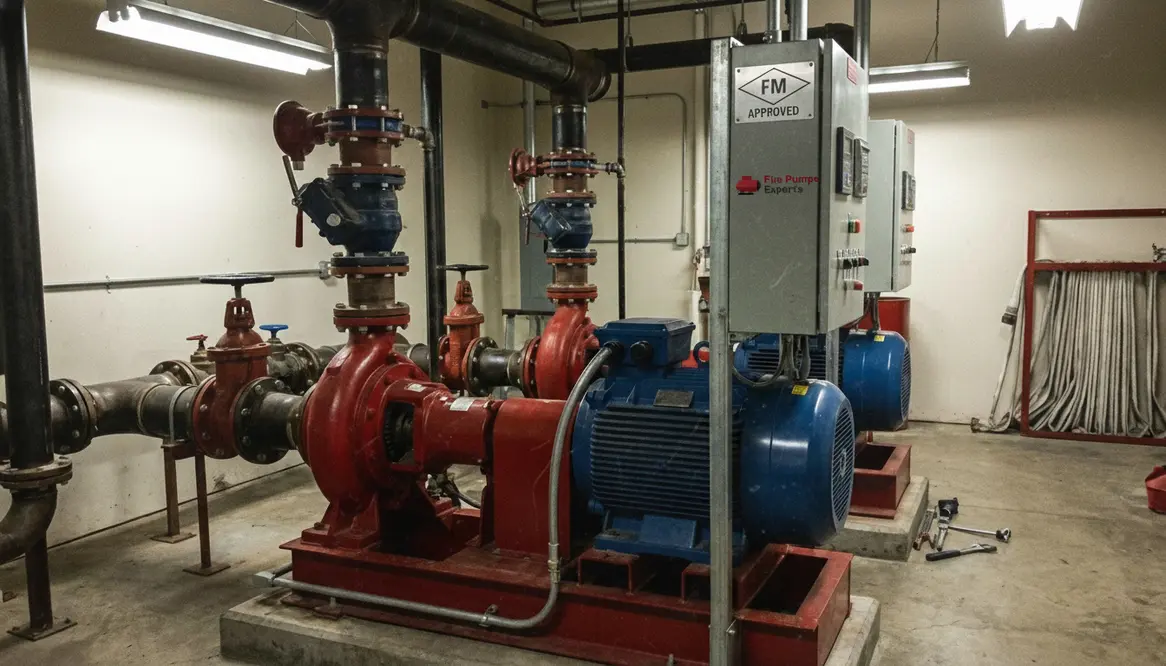
FM Approved Electric Fire Pumps for Commercial Use
Reliable water on demand is the real backbone of fire protection in serious commercial and industrial facilities.
FM Approved Electric Fire Pumps Explained
When I talk about fire protection for large commercial and industrial buildings, I always come back to one thing: reliability. That is where FM Approved electric fire pumps step into the spotlight. They give facilities a strong, dependable water supply when the fire system needs it most. In plain terms, they help keep sprinkler and standpipe systems ready for the ugly moment nobody wants to meet. And yes, I mean the kind of moment that makes everyone suddenly remember where the emergency plan lives. I have seen how the right pump choice can shape safety, compliance, and peace of mind all at once.
Key Advantage
FM Approved electric fire pumps deliver tested performance that supports both code compliance and long-term business continuity in demanding properties.
What FM Approved Electric Fire Pumps Do
I like to think of an electric fire pump as the steady workhorse of a fire protection system. It boosts water pressure when the normal supply cannot do the job on its own. In a tall office tower, a warehouse, a plant, or a major property, that extra pressure matters. Without it, sprinklers may not deliver the flow needed to control a fire.
FM Approved electric pumps go a step further because FM Approval means the equipment has passed strict tests for performance and reliability. That matters in commercial and industrial settings, where downtime is expensive and risk is real. In other words, this is not the place for wishful thinking or a “good enough” attitude. Fires do not care about optimism. They care about water, fast.
Electric vs. “Just Enough” Protection
In commercial fire protection, “just enough” tends to show up as underpowered pumps, questionable components, or systems that only work well on paper. FM Approved electric fire pumps push back against that by proving their performance in controlled, repeatable tests before they ever reach a pump room.
Why FM Approval Matters in Commercial Buildings
I see FM Approval as a serious badge, not a decorative sticker. It tells me the pump has been tested against demanding standards for real world use. For commercial and industrial facilities, that creates confidence for owners, facility teams, insurers, and fire protection pros.
Here is the practical side. FM Approved equipment often supports smoother insurance review, better risk control, and fewer surprises during inspections. It also helps align the fire pump with the larger protection plan for the building. That is important because a system only works well when every part pulls its weight. Even Batman needed a plan, and he had a better budget than most facility managers.
What I Look For In FM Approved Electric Fire Pumps
- Proven performance under pressure
- Dependable electric operation
- Strong fit for commercial and industrial use
- Support for code and insurance goals
How I Evaluate the Right Pump for a Facility
I do not treat every building the same, because every site has different fire risks, water supply limits, and system demands. A data center needs one level of protection. A manufacturing plant needs another. A high rise property brings its own pressure challenges. So, I start with the building profile, then I move to the water source, and finally I look at the system demand.
To make that easier, I usually compare the main factors side by side.
| Facility need | What I check |
| Water supply strength | Can the source support sprinkler and standpipe demand during a fire? |
| Building height | Will the pump deliver enough pressure to upper floors? |
| Occupancy type | Does the site have storage, production, or mission critical equipment? |
| Power reliability | Can the electric supply support pump operation during an emergency? |
That review helps me choose a pump that fits the site instead of forcing the site to fit the pump. It sounds obvious, but in the real world people skip obvious things all the time. Then they act surprised when the math shows up wearing steel boots.
Also, I pay close attention to maintenance access. If a team cannot inspect, test, and service the pump easily, trouble will sneak in later. And trouble, as always, arrives without making an appointment.
Installation and Maintenance That Keep the System Ready
I never treat installation like a one day task. It is part design, part coordination, and part discipline. Electric fire pumps need proper power supply, correct room conditions, and clean integration with the rest of the fire protection system. If the installation team rushes, the system can lose the very reliability it was meant to deliver.
Keeping FM Approved Electric Systems Honest
Regular testing matters just as much. I recommend a routine that checks pressure, flow, controller function, power availability, and overall condition. That kind of discipline helps catch small problems before they become costly ones. After all, a pump that looks fine on paper is nice, but paper does not stop fire.
For teams that want a deeper technical overview, I often suggest reviewing the FM approved electric fire pump guide for commercial facilities as a reference point for planning and comparison. It can help decision makers speak the same language before they move into design or upgrades.
When an Electric Fire Pump Makes the Most Sense
I usually see strong value in electric fire pumps when the building already has a reliable electrical service and the site wants clean, efficient operation. They work well in many commercial and industrial environments because they avoid some of the fuel related issues that come with other pump types. That can mean simpler upkeep and fewer moving parts to manage.
Still, I never pick based on convenience alone. I look at the whole picture. If the facility has critical uptime needs, strict insurance demands, or complex fire protection loads, then an FM Approved electric unit can make excellent sense. It gives the building a dependable path to water pressure while keeping the system aligned with approved standards.
In short, the right pump does more than move water. It supports business continuity, safety planning, and confidence when the alarm sounds.
FAQ
Conclusion
If I am protecting a commercial or industrial property, I want a fire pump that proves itself before an emergency, not during one. That is why FM Approved electric fire pumps deserve serious attention. They offer tested performance, strong reliability, and a smart fit for major buildings. If you are planning a new system or reviewing an older one, I suggest you explore your options now, compare the site demands, and choose a pump strategy that keeps your facility ready.