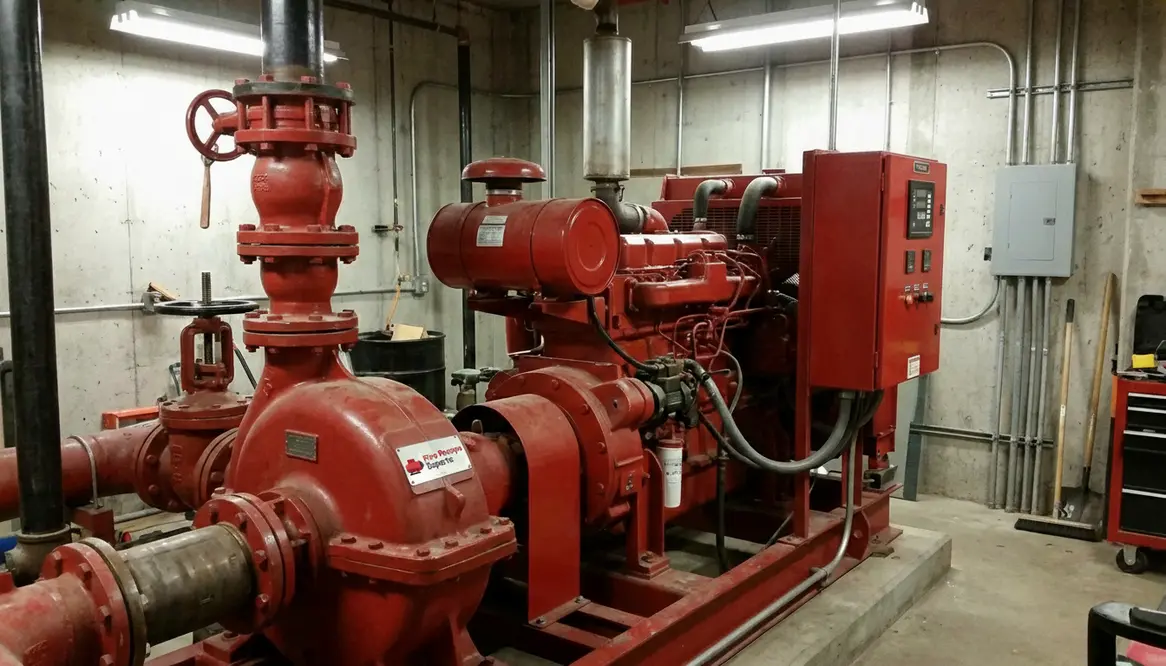
FM Approved Fire Pumps for High Risk Facilities
Putting the right fire pump at the center of a protection plan is one of the smartest moves a high risk facility can make.
When I look at a high risk facility, I do not see walls and wiring. I see pressure, heat, and a lot of things that would rather behave badly than help out. That is why I put FM Approved fire pumps at the center of fire protection planning for commercial and industrial sites. They give me confidence that a system can deliver water fast when a fire grows teeth. For warehouses, plants, data centers, and major property buildings, that kind of reliability is not a luxury. It is the whole game.
In this article, I will break down what makes these pumps valuable, how I choose them for risky sites, and why they matter when every second counts. No fluff. No dramatic orchestra music. Just the facts, served warm and steady.
High Risk Facilities At A Glance
- Large warehouses and logistics hubs
- Manufacturing plants and processing sites
- Refineries and fuel handling locations
- Data centers and critical IT buildings
- Tall commercial and mixed-use properties
All of them share one theme: when something goes wrong, it goes wrong fast.
Why High Risk Facilities Need FM Approved Fire Pumps
High risk facilities often face bigger loads, higher fire exposure, and more complex layouts than standard buildings. As a result, a basic pump choice can fall short when demand rises. FM Approved fire pumps help close that gap because they meet strict performance expectations for fire protection use.
In practical terms, I want a pump that can support the sprinkler system and stand up to real world stress. FM approval signals that the pump has been tested for consistency, strength, and fire duty. That matters in places like manufacturing plants, logistics hubs, refineries, and tall commercial buildings where failure can spread fast and cost even faster. Nobody wants their fire plan to turn into a “hold my coffee” moment.
Part Of A Bigger Protection Chain
These pumps also fit well into larger protection strategies. Therefore, I treat them as one part of a bigger system that includes tanks, controls, alarms, and regular service. If one piece slips, the whole chain feels it.
FM Approved fire pumps do not magically fix weak planning, but they keep a solid plan from failing under pressure.
How I Choose The Right Pump For A Commercial Site
I start with the building risk, not the pump brochure. The right unit depends on water supply, pressure needs, system size, and the hazards inside the property. For example, a distribution center may need different flow support than a processing plant with heavy equipment and flammable materials.
The Shortlist I Use On Every Project
- Check the water source and available pressure
- Match pump capacity to the demand of the fire system
- Review the site layout and elevation changes
- Confirm the pump works with the control setup
- Look for long term service support and parts access
Next, I compare options for both performance and upkeep. A pump that looks strong on paper but needs constant babysitting is not my idea of a smart buy. I want dependable operation, clean installation, and service that does not feel like a scavenger hunt. If the site runs around the clock, the pump should be ready to do the same.
When I am weighing choices, I also look at how clearly the manufacturer supports FM Approved fire pumps, documents their testing, and backs them with realistic maintenance guidance. If that part feels vague, I move on.
What FM Approval Means In Real World Fire Protection
FM approval gives me a clear signal that the pump has gone through serious testing for fire service use. In other words, it is not just “good enough.” It has been checked for the kind of duty that commercial and industrial facilities demand.
Why That Stamp Matters
Fire protection systems must respond under pressure, often when temperatures climb and routines break down. Moreover, FM approved equipment can support better confidence during plan reviews, inspections, and insurance discussions. I like that kind of clarity. It keeps the conversation focused on risk, not guesswork.
It also helps me build a system that stays aligned with facility goals. If a property owner wants smoother review, less uncertainty, and stronger protection for people and assets, FM approval gives the plan a firmer foundation. Think of it as the difference between a rehearsed stage crew and a cast of extras hoping for the best.
Where FM Approved Fire Pumps Shine
- Facilities carrying high-value or high-hazard inventories
- Sites with strict insurance and compliance requirements
- Operations that cannot tolerate long downtime after a fire
- Properties planning for long-term risk reduction strategies
When the stakes are high, FM Approved fire pumps stop being a “nice add-on” and start looking like baseline common sense.
Dual View: Pump Types And Where They Fit
Here is a quick side by side view of common choices I consider for major properties. Each one serves a role; the trick is to choose based on actual site needs, not on what sounds impressive in a meeting.
Common Pump Types
Diesel driven pumps work well where backup power matters and the site needs a strong independent option.
Electric driven pumps suit facilities with stable power and a desire for simpler day to day operation.
Vertical turbine pumps fit sites that draw from tanks, reservoirs, or below grade water sources.
Jockey pumps help hold pressure steady, which reduces unnecessary starts and keeps the main pump from working too hard.
Picking The Right Fit
I never pick a type just because it sounds impressive at a meeting. I match the pump to the water supply, hazard profile, and business needs of the site. That is how I keep the system useful instead of decorative, and fire protection should never be decorative. That is how you end up with expensive equipment that looks serious and works like a toaster in a thunderstorm.
If you are not sure where your facility lands, a structured assessment and a look at guidance from resources such as https://www.firepumps.org can help you frame the right questions before you sign a purchase order.
How To Keep Performance Strong After Installation
Installation is only the beginning. After that, I focus on testing, inspection, and maintenance. A pump that sits untouched for months can develop problems before anyone notices. Therefore, I recommend regular checks on controls, bearings, fuel supply for diesel units, power for electric units, valves, and overall pump condition.
Keeping The System Honest
Service teams should also confirm that the pump starts when needed and delivers the right pressure. If anything feels off, I want it corrected quickly. Small issues often grow quietly, and fire systems do not get bonus points for almost working.
For facility leaders, this is where discipline pays off. A strong maintenance plan protects operations, helps avoid downtime, and supports compliance across the property. It also makes audits less painful, which is always a welcome gift.
Why Maintenance And Approval Work Together
FM Approved fire pumps give you a strong starting point, but they still need humans to keep them ready. Testing, documentation, and scheduled service turn that approval into day-to-day reliability instead of a label that only looks good in a binder.
FAQ
Conclusion
If you manage a commercial or industrial facility, I strongly recommend taking a serious look at FM Approved fire pumps before risk forces the issue. The right pump can support safer operations, steadier performance, and better peace of mind when your property faces real fire danger. If you want a smarter approach to fire protection, now is the time to review your system, compare options, and move forward with confidence. Your building deserves that level of care.