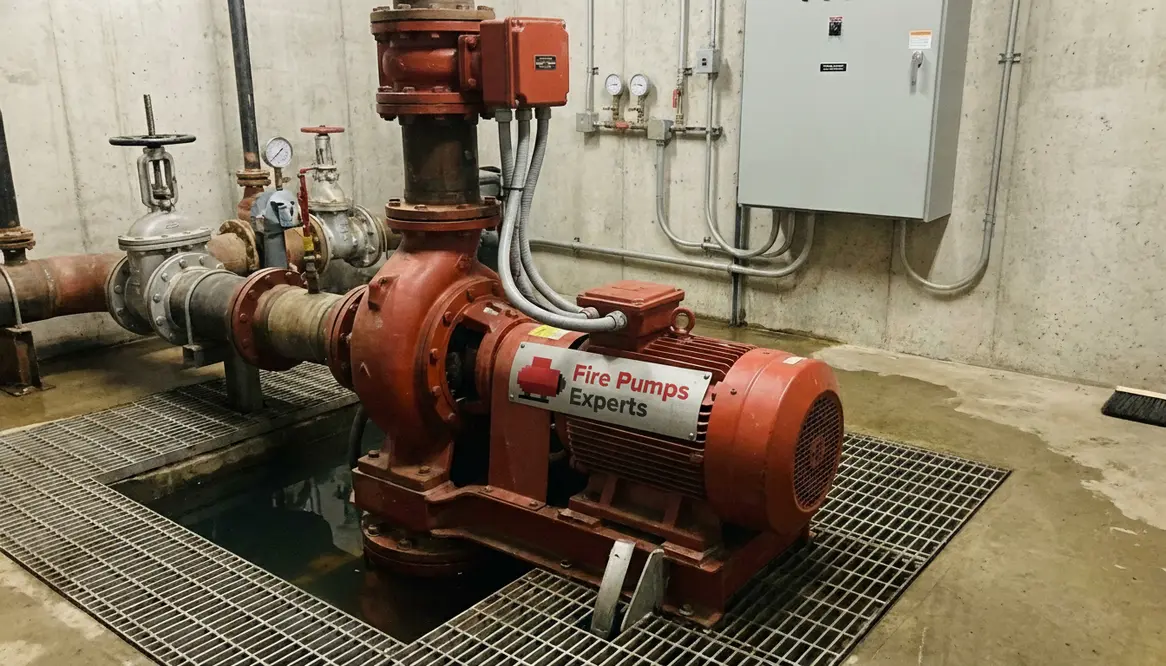
LPS 1131 Submersible Fire Pump Requirements for Commercial and Industrial Sites
When I talk about LPS 1131 requirements for submersible fire pumps, I am talking about the rules that help a fire pump do its job when the heat turns ugly and the stakes get real. In commercial and industrial buildings, and in major property sites, this matters a lot. A submersible fire pump sits below water level, so it needs strong design, solid materials, and reliable performance under pressure. If that sounds boring, well, it is only boring right up until it saves a building. Then it becomes the star of the show.
What LPS 1131 requirements mean in real life
I see LPS 1131 requirements as a practical standard for fire pump safety. It sets out how a submersible fire pump should be built, tested, and installed so it can handle fire protection duties without drama. Because these pumps work in wet conditions, they need sealed parts, steady power, and a layout that supports fast water delivery. Otherwise, you get a very expensive paperweight, and nobody wants that kind of surprise.
For me, the core idea is simple. The pump must stay dependable in a harsh environment, and it must support the fire system when demand rises fast. That means the pump, its controls, and its support parts all need to work together. If one piece slips, the whole chain weakens. And in fire protection, weak links do not age gracefully.
How I apply LPS 1131 requirements to submersible fire pump design
When I review a submersible fire pump setup, I look at the basics first: construction, sealing, electrical supply, access, and performance. The pump needs corrosion resistant parts, because water and metal tend to have a messy relationship. It also needs proper sealing so moisture cannot creep into the motor or control gear.
Just as important, the pump must match the site demand. A large warehouse, a high rise, or a heavy industrial plant may need a different flow and pressure profile than another property. So I always check whether the pump can meet the required fire duty without straining. As a rule, a fire pump should act like a calm pro under pressure, not like a movie extra who forgets their lines.
Two-column view of the main checks I use
Design side
- Pump casing strength
- Motor protection
- Seal quality
- Corrosion resistance
Performance side
- Flow rate match
- Pressure support
- Start up reliability
- Continuous duty fitness
LPS 1131 requirements for installation and testing
Installation matters because even the best pump can fail if the site setup is sloppy. I make sure the pump sits in the right position, with proper water access and safe electrical support. Also, I look for a layout that allows easy inspection and maintenance. If the team cannot reach it, then they cannot care for it. That is not a mystery; it is just basic reality wearing a hard hat.
Testing is the next big step. I expect routine checks that prove the pump starts, runs, and delivers water the way the system needs. In addition, the test should confirm that controls respond correctly and that the pump can handle the load without alarm. The point is not to admire the machine like it is a museum piece. The point is to prove it will work when the building needs it most.
For commercial and industrial facilities, I also pay close attention to site risk. Some properties carry higher fire loads, longer travel paths, or more critical operations. Therefore, testing should reflect those conditions and not rely on wishful thinking. Hope is lovely. Compliance is better.
What I check for maintenance and compliance
Once the system is in place, maintenance keeps it honest. I look for signs of wear, seal damage, electrical faults, blocked intakes, and control issues. I also want clear records, because good records help prove the system stays within LPS 1131 expectations over time. A forgotten logbook is like a side character who never gets any screen time. It still matters.
Here is the short version of what I check most often:
- Clean pump chamber and intake area
- Stable electrical supply and control function
- No leaks in seals or fittings
- Normal vibration and noise levels
- Test results that match the required duty
- Service records that stay current
When a site team stays ahead of these items, the fire pump has a far better shot at doing its job without trouble. And that is the whole point. Fire safety should not wait for a crisis to get organized.
Why these standards matter for major property buildings
In major property buildings, fire pump failure can create a chain reaction. Water pressure drops, sprinklers lose strength, and response time suffers. That is why I treat LPS 1131 requirements as more than a checklist. It is part of a wider protection plan for people, assets, and operations.
For commercial and industrial sites, this also affects business continuity. A shutdown can cost time, money, and trust. So, a submersible fire pump that meets the right requirements helps protect not only the structure, but also the work inside it. In other words, the pump is not just a piece of kit. It is quiet insurance with a motor.
For more detail on site focused fire pump support, I recommend reviewing commercial and industrial fire pump solutions that fit major property buildings and complex facilities.
FAQ about LPS 1131 Submersible Fire Pump Requirements
These quick answers highlight how LPS 1131 requirements support real-world reliability for submersible fire pumps.
Final thought and call to action
If I want a fire pump system that earns trust, I start with LPS 1131 and I stay strict from design to maintenance. For commercial and industrial facilities, and for major property buildings, that standard gives me a clear path to better protection. If you need support with submersible fire pump planning, review your current setup now and speak with a specialist who understands site risk, compliance, and long term reliability.