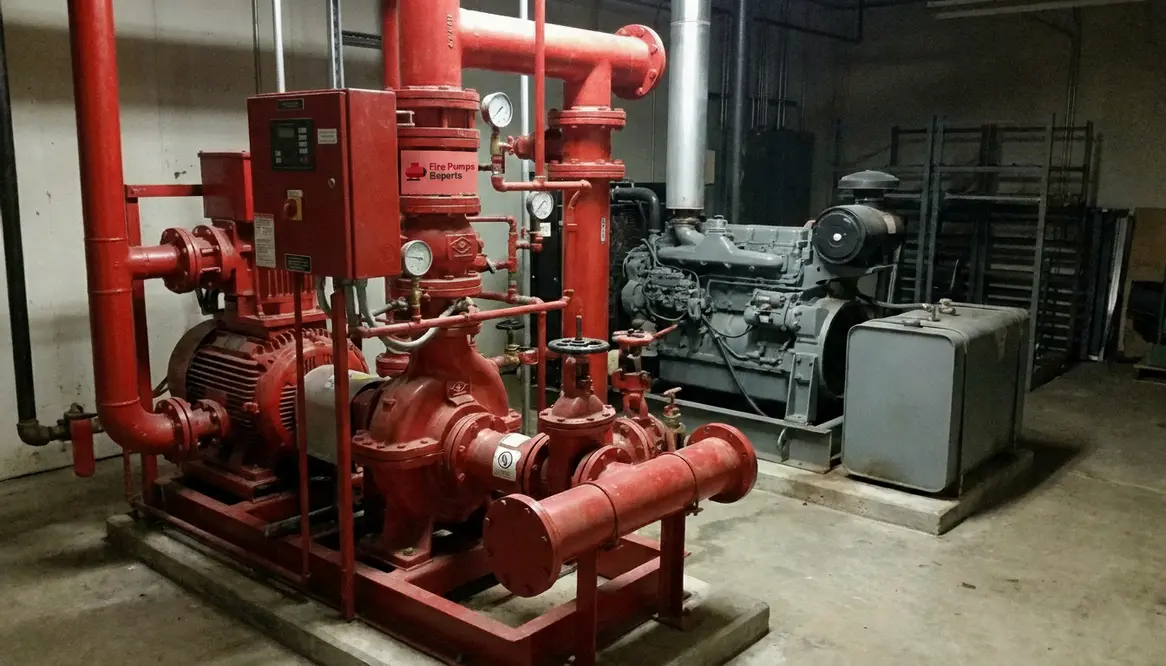
UL FM Fire Pump Systems for Industrial Facilities
When I talk about UL FM industrial fire pump systems, I am talking about the quiet workhorses that stand guard when things go sideways. In a big plant, a warehouse, or a major property building, water pressure can make the difference between a small incident and a full blown disaster. And yes, that is a dramatic sentence, but fire safety tends to earn drama on its own. In this article, I will walk through how these systems work, why they matter, and what industrial facilities should look for before they trust a pump to do the heavy lifting.
What UL FM fire pump systems do in a facility
I see fire pump systems as the backup quarterback of fire protection. Most of the time, nobody notices them. However, when sprinkler demand rises and the water supply drops, they step in fast and push the pressure where it needs to be.
In industrial settings, that matters because facilities often have long pipe runs, large floor plans, and complex hazard zones. As a result, a standard water supply may not deliver enough pressure at the far end of the building. A fire pump solves that by boosting flow and pressure so sprinklers, standpipes, and hose systems can work as intended.
Here is the simple version:
- It pulls water from a reliable source
- It increases pressure for fire protection systems
- It helps protect people, assets, and operations
- It supports code driven fire safety in larger facilities
That is the job, and it is not glamorous. Still, neither is a fire alarm at 2 a.m., and yet here we are.
How I choose the right industrial fire pump
Choosing the right pump starts with the building, not the catalog. I always look at water demand, system type, elevation changes, and the risk level inside the facility. Then I match the pump to the actual need instead of guessing and hoping, which is not a strategy I recommend unless you enjoy expensive surprises.
Key factors I review:
- Water supply whether it comes from city water, a tank, or another source
- Flow demand based on sprinkler and standpipe needs
- Pressure requirements across the most difficult parts of the property
- Facility size and layout, especially in large industrial sites
- Power source such as electric, diesel, or other approved options
Next, I check whether the design supports future growth. Industrial sites change. A building that stores packaging today may house heavier loads tomorrow. Therefore, I want a system that can keep up without forcing a full redesign every time operations shift.
Why UL FM standards matter in real life
UL and FM approvals matter because they give me confidence that the equipment has been tested for serious use. In simple terms, these standards help prove the pump can perform under pressure. And no, I do not mean the kind of pressure your boss feels before a board meeting.
For commercial and industrial facilities, compliance is not just a box to tick. It supports insurance needs, code compliance, and long term reliability. Moreover, using approved equipment often helps reduce delays during plan review, inspection, and final acceptance.
When I work with an UL FM industrial fire pump setup, I want more than a label. I want proper sizing, solid installation, and a system that fits the building it serves. Standards matter, but real world performance matters even more. Batman had a suit. Industrial facilities need a pump that actually works when the heat is on.
Installation and testing that keep the system ready
Good installation is where theory meets reality. I have seen strong equipment underperform because of poor layout, weak supervision, or rushed setup. So I treat installation like foundation work. If it is off by even a little, problems show up later when nobody has time for them.
During installation, I focus on:
- Proper pump room layout and access
- Reliable suction conditions
- Correct alignment of pump and driver
- Strong electrical and control connections
- Clear space for inspection and service
After that, testing comes next. I like acceptance testing because it tells the truth. It shows whether the pump starts on command, delivers the right pressure, and handles expected demand. In addition, routine testing helps catch wear before it becomes failure. A pump that only gets attention after trouble starts is basically a plot twist nobody asked for.
UL FM industrial systems in commercial facilities
Industrial plants are not the only places that need dependable fire pumps. Major commercial properties also rely on them when water pressure drops or building demand rises. I am talking about sites like distribution centers, high rise buildings, manufacturing plants, and large campuses where one weak link can cause major trouble.
Facility type
Large warehouses, factories, multi story commercial buildings, and major property sites
Why it matters
These spaces need steady pressure, fast response, and dependable coverage across wide areas
Because these properties often support business critical operations, downtime can cost far more than repairs. Therefore, I look at fire pumps as part of business continuity, not just life safety. That shift in view changes the whole conversation.
If you want more detailed guidance on approved systems for commercial and industrial sites, I recommend reviewing UL FM industrial fire pump solutions for major properties as part of your planning process.
Key questions about UL FM industrial fire pump systems
How I move from planning to action
If I am advising a facility, I start with a full review of water supply, hazard level, and building use. Then I match the pump design to the actual site, not a generic template from a shelf somewhere. Finally, I make sure installation and testing stay on schedule so the system is ready before anyone needs it for real.
Contact us today if you want a fire pump plan built for your commercial or industrial facility. I will help you move from uncertainty to a system that delivers pressure, protection, and peace of mind. Because when fire protection works right, nobody applauds. They just keep working, safely, and that is the point.