AS 2941 Fixed Fire Pumpset Compliance Guide
AS 2941 Fixed Fire Protection Pumpset Guide
When I talk about fire safety in a commercial or industrial building, I always start with the AS 2941 fire pump. It sits there like the quiet bodyguard nobody notices until the room gets loud. Yet when fire breaks out, that pumpset becomes the difference between control and chaos. For major property buildings, warehouses, plant rooms, and other large sites, this standard sets the rules for reliable fire water delivery. And yes, it may sound dry at first, but so did cable TV before someone added dragons.
In this guide, I will break down what the standard means, how a fixed fire protection pumpset works, and what I look for when checking compliance. If you manage a commercial or industrial facility, this matters more than a polished brochure and a shiny lobby plant. Lives, assets, and business continuity depend on it.
Why AS 2941 Matters
AS 2941 sets the design and performance rules for fixed fire protection pumpsets in Australia. In simple terms, it tells me how a fire pump system should be built, installed, tested, and maintained so it can do its job under pressure. That pressure is not just water pressure. It is the kind of pressure that shows up when a building is full of people, machines, stock, and about a thousand things that do not want to catch fire.
This standard matters for commercial and industrial sites because they often need dependable fire water supply across large areas. A weak or poorly set up system can fail when demand rises. Therefore, AS 2941 helps reduce guesswork and keeps the system ready for action. It also works closely with other fire protection rules, so the whole setup acts like one team instead of a group project gone wrong.
How a Fixed Fire Protection Pumpset Works
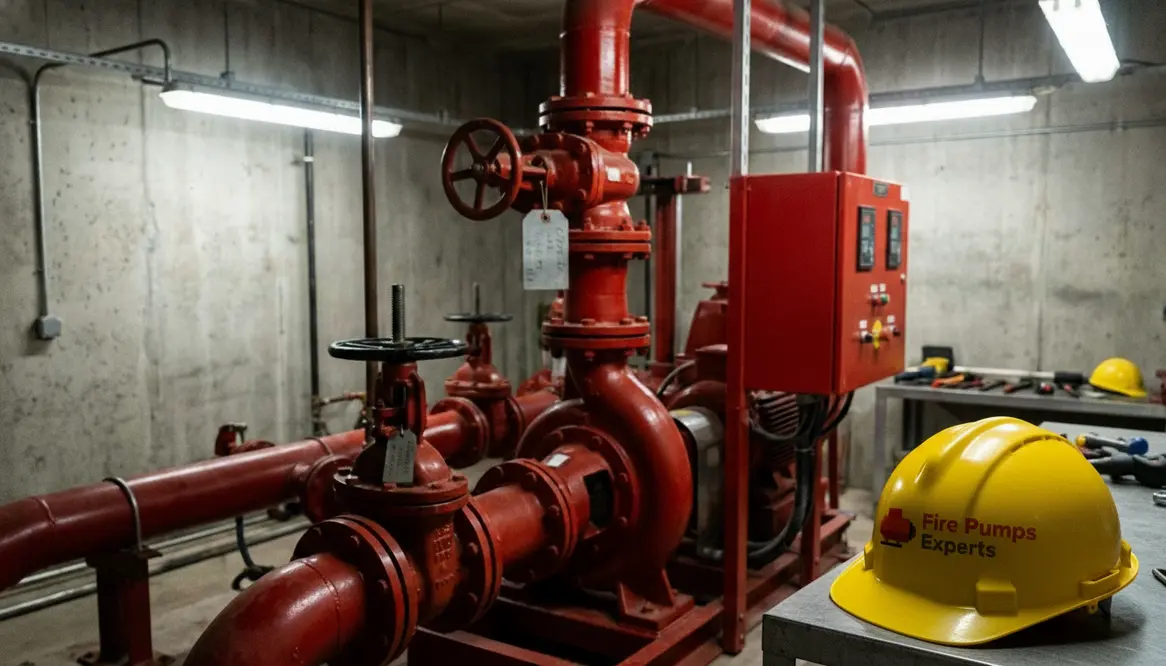
A fixed fire protection pumpset moves water from the supply source to the fire system when demand starts. It may support hydrants, sprinklers, or other fire protection equipment. Usually, I see the system made up of a pump, motor or engine, controller, valves, pipework, and a water source. Together, they form the heart of the site fire water network.
Here is the simple version:
When the system detects a drop in pressure, the controller starts the pump. Then the pump boosts water flow so the fire system can respond fast. If the main power fails, a diesel driven unit can keep the system alive. That is the backup hero, the one in the sequel nobody expected but everyone needs.
Primary Parts
- Pump unit
- Driver unit
- Controller
- Suction and discharge pipework
Support Parts
- Fuel system or electrical supply
- Valves and gauges
- Test line and drains
- Alarm and monitoring signals
What I Check During Compliance Review
When I review an installation, I look beyond the pump itself. I check whether the whole system matches the site demand and the standard. First, I confirm the pump can handle the required flow and pressure. Next, I check suction conditions, because a pump with poor water supply is like a singer with no microphone. Technically present, but not very useful.
I also check installation details. For example, I look at access, clearances, vibration control, ventilation, and controller placement. Then I review the water source, because a fixed fire protection pumpset only works well if the supply can support it. If the tank is too small or the inlet arrangement is poor, the system may struggle during real use.
Maintenance matters just as much. A system can look fine on paper and still fail in the field if no one tests it. Therefore, I check test results, service records, and fault history. Regular inspection keeps small issues from turning into expensive drama, which is usually the most avoidable kind.
How I Keep the System Reliable
Reliability comes from routine care, not hope. I always recommend a simple and strict maintenance plan for commercial and industrial facilities. First, test the pump on schedule. Then inspect the controller, fuel level, batteries, seals, and valves. Also, watch for leaks, corrosion, heat damage, and blocked vents. These are the quiet troublemakers.
As part of good practice, I want facilities to keep clear records. That helps prove the system has been checked and can support audits, insurance reviews, and compliance work. It also makes it easier to spot repeat faults. In other words, good records save time, money, and a few headaches that would otherwise arrive uninvited like a late night spin off nobody asked for.
For commercial property teams, training also matters. Staff should know where the pumpset is, what alarms mean, and who to call if something goes wrong. That way, the response stays calm and fast instead of turning into a loud office debate with too many opinions and not enough facts.
Where I See the Biggest Risks
The biggest problems usually come from poor sizing, weak maintenance, bad installation, and water supply issues. I also see trouble when site changes happen but the fire pump setup does not get updated. A building expansion, a new process line, or a change in fire load can affect system demand. So, the pump that worked last year may not be enough today.
That is why I treat the fixed fire protection pumpset as part of a living system, not a box ticking exercise. The building changes, and the fire protection system must keep up. Otherwise, the gap between plan and reality can get very expensive very quickly.
For many facilities, the AS 2941 fire pump is the anchor that holds the wider fire safety strategy together. When it is sized correctly, installed properly, and maintained with care, it quietly reduces risk every single day. When it is ignored, it can turn routine incidents into major loss events that make the news for all the wrong reasons.
Putting AS 2941 In Context
On large commercial and industrial sites, the AS 2941 fire pump does not work in isolation. It ties into hydrant systems, sprinkler networks, hose reels, and sometimes specialist suppression systems. The standard helps make sure that when all those parts call for water at once, the pump can deliver without stalling, cavitating, or simply giving up.
I often see sites where the documentation says one thing and the physical system says something else entirely. A clear AS 2941 compliance review pulls those threads together. It confirms that the pump curve suits the actual demand, the suction arrangements meet the rules, and the controller logic does not belong in a mystery novel.
When that review is done properly, the AS 2941 fire pump becomes more than a box on a plan. It becomes a verified, testable safeguard that insurers, auditors, and most importantly the people in the building can rely on when they need it most.
FAQ
Conclusion
If you manage a commercial or industrial site, I urge you to treat your fire pump system as a core safety asset, not background equipment. The right AS 2941 setup helps protect people, property, and business uptime. When your AS 2941 fire pump is properly specified, installed, and maintained, it becomes one of the most dependable pieces of risk management you have on site.
So, if you want a proper review, better compliance confidence, or guidance for your major property building, I am ready to help you take the next step with clear advice and practical support. Start by making sure your documentation, test records, and pump performance all line up, and do not be afraid to ask blunt questions about whether the system would still cope if the worst-case fire scenario actually unfolded.
From there, every inspection, upgrade, and training session becomes another small step toward a safer, more resilient site backed by a compliant AS 2941 fire pump that quietly does its job while everyone else gets on with theirs.