Fire Pump Maintenance Mistakes to Avoid
I have seen it too many times: a fire pump sits quiet, everyone assumes it is fine, and then one bad day turns a small problem into a big one. That is where fire pump maintenance mistakes start doing real damage. In commercial and industrial facilities, and in major property buildings, this equipment does not get to be dramatic. It has one job, and it must work when the pressure drops and the heat rises. So, I want to walk through the most common errors I see, why they happen, and how to avoid them before they turn into expensive trouble.
Why fire pump checks must stay on schedule
First, I want to make this simple: a fire pump is not a “set it and forget it” machine. It needs regular checks, clean records, and people who know what warning signs look like. When a team skips routine testing, minor issues can hide in plain sight. A loose coupling, weak battery, low fuel, or bad valve position may seem small today. However, those small issues can stop the pump from doing its job tomorrow.
Also, scheduled work helps me spot changes in performance over time. I can compare readings, listen for odd sounds, and catch wear before it grows teeth. That is the real value of maintenance. It is not just about compliance. It is about keeping a life safety system ready, calm, and dependable, like the quiet hero in a disaster movie who does not need applause.
Common fire pump maintenance mistakes I see most often
The “It probably is fine” list
1. Skipping weekly or monthly tests
If I skip tests, I lose the chance to spot drift in pressure, vibration, or starting trouble. A fire pump may still run, but not well. And “it runs” is not the same as “it performs under load.”
2. Ignoring pump room conditions
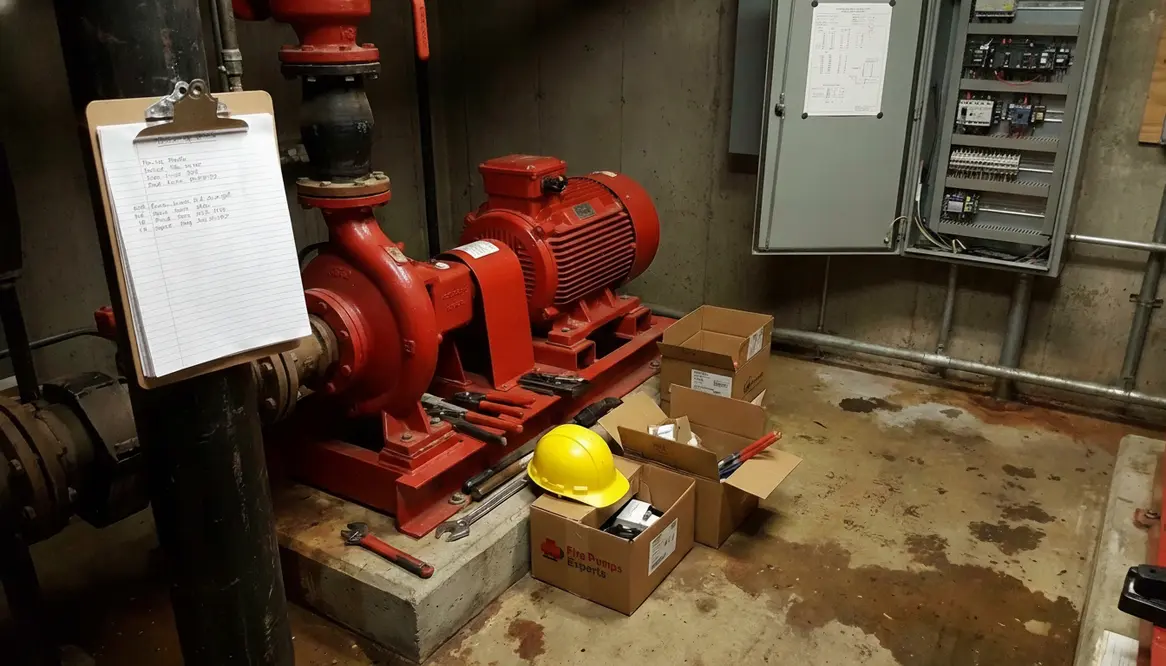
Heat, moisture, poor ventilation, and clutter can all create trouble. I always treat the pump room like a control room, not a storage closet for random junk nobody wants. Boxes, tools, and old parts do not belong near critical equipment.
The sneaky system-side issues
3. Forgetting the suction side
I find that people often focus on the pump itself and ignore the suction source. That is a mistake. A blocked line, bad valve position, or low water supply can make the whole system weak. If the pump cannot breathe, it cannot work.
4. Overlooking small leaks and strange noises
Small leaks often look harmless, yet they can point to seal wear or alignment problems. The same goes for noise. A pump that sounds “a little off” is usually trying to tell me something. Machines do not gossip, so when they talk, I listen.
How I avoid costly fire pump errors before they spread
I start with a simple process. First, I verify the system status and confirm the pump is ready for service. Next, I check the controls, pressure settings, power source, and visible parts. Then, I review the logs and look for patterns. If a reading changes from one month to the next, I do not shrug it off. I ask why.
After that, I make sure trained staff handle the work. A fire pump is not the place for guesswork or weekend heroics. Even a small adjustment can affect system performance. So, I use clear checklists, follow the right service intervals, and keep records that actually mean something. That way, I can trace faults and fix root causes instead of chasing symptoms like a bad detective in a second season nobody asked for.
What I check during commercial fire pump service
For commercial and industrial facilities, I keep my focus on parts that affect real performance. I check control panels for alarms and faults. I inspect pressure relief parts, packing, bearings, and alignment. I also confirm that valves sit in the correct position and that the power supply stays stable. In diesel units, I pay close attention to fuel quality, coolant level, and battery health.
Here is a simple view of the most important checks:
Routine focus | Why it matters
Testing and logging | Shows performance trends early
Suction supply review | Confirms the pump can move water properly
Electrical or diesel checks | Helps prevent start failures
Room condition review | Protects the system from heat and clutter
Leak and noise checks | Reveals wear before a breakdown
For a deeper look at system support, I also like to review this fire pump maintenance resource when I compare service needs across large facilities. And if you need local support, this los angeles fire pump service page is a useful place to start.
How to build a better maintenance plan
Last, I want to keep the plan practical. I build maintenance around clear intervals, written steps, and trained eyes. I also make sure every test has a result that leads somewhere. If a valve sticks, I note it. If a motor draws the wrong current, I act on it. If a reading keeps slipping, I do not wait for a bigger problem to introduce itself with fireworks.
Most of all, I keep the focus on reliability for major buildings and industrial sites where failure is not an option. A good plan protects people, property, and operations. It also saves money because fixing a small issue always costs less than rebuilding after a system failure. Simple truth, hard to ignore.
FAQ
Conclusion
If you manage a commercial, industrial, or major property building, now is the time to tighten your maintenance routine. I encourage you to review your current checks, correct weak spots, and bring in qualified support before trouble shows up uninvited. A fire pump should stand ready without drama, delay, or guesswork. So, take action now, protect your system, and make sure your fire pump does its job when it matters most.