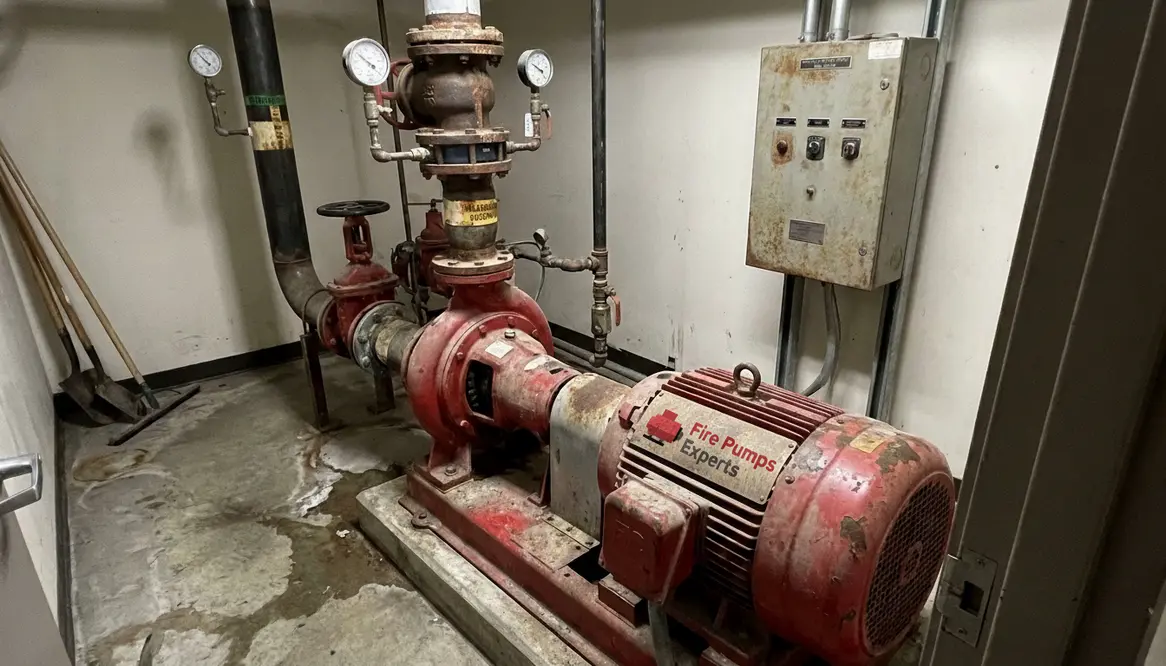
Fire Pump Replacement Signs, Timing and Review
When Should You Replace a Fire Pump?
I have seen enough commercial buildings, industrial sites, and major properties to know one thing: a fire pump does not usually fail with a dramatic entrance. It starts with small clues, quiet warnings, and a few “we should look at that” moments that people politely ignore until the system turns into an expensive problem. And yes, fire pump replacement is one of those topics nobody invites to the party, but everyone respects when the alarm bells start ringing. So, if you manage a large property, this guide will help you know when to act, when to inspect, and when to stop hoping a tired pump will keep pulling its weight like some overworked action hero.
I will walk through the signs, the timing, and the business case for replacement so you can make a smart call before an emergency makes it for you. After all, fire protection should be ready before the drama, not during it.
Quick reality check
If your pump room sounds different, looks different, or tests differently, it is already talking. The real win is catching it early and planning fire pump replacement before the building has to “learn” the hard way.
Hint: Treat weak performance as a trend, not a one-off.
Know the warning signs before the pump gives up
In my experience, a fire pump usually gives notice long before it quits. First, I look for weak pressure, slow startup, strange noise, visible leaks, rust, vibration, or frequent service calls. These signs often point to wear in the motor, the controller, the bearings, or the impeller. Moreover, if the pump fails routine flow tests or cannot reach the right discharge pressure, I treat that as a serious signal, not a “maybe next quarter” issue.
Heat damage matters too. If a pump room runs too hot, parts age faster. Water quality can also cause trouble. Hard water, debris, and corrosion can eat away at the system like it owes them money. So, when I see repeated repairs in a short span, I stop thinking “maintenance” and start thinking “replacement plan.”
Use age, condition, and testing results to decide
Age alone does not tell the whole story, but it still matters. A fire pump that has served for many years may still work, yet the risk rises as parts wear down and old models become harder to support. Still, I never replace a pump just because it has a certain birthday. Instead, I check its condition, its test history, and how well it performs under real load.
If a pump passes inspections but keeps flirting with failure, the system is telling you something. Also, if replacement parts take forever to find or cost too much, that is a real business concern. You do not want a critical safety system held together by hope, a few spare parts, and the kind of optimism usually reserved for movie sequels.
When repair stops making financial sense
I often say this: if the repair bill keeps showing up like an unwanted sequel, the math has already started to answer the question. A single repair may make sense. However, repeated motor work, seal fixes, controller issues, and shaft repair can add up fast. At some point, the total cost of keeping the old unit alive can exceed the cost of a new pump.
Here is a simple way I look at it:
Repair makes sense when:
- The issue is small and isolated
- The pump still passes most tests
- Parts are available and affordable
- The service life still looks solid
Replacement makes sense when:
- Problems keep coming back
- The pump misses performance targets
- Parts are hard to source
- Downtime risks the building’s fire protection
In a commercial or industrial facility, downtime is not just annoying. It can affect safety, operations, insurance, and compliance. So, I always push for a decision based on total cost, not just the next repair ticket.
What I check during a fire pump replacement review
When I review a pump for possible replacement, I look at the whole system, not just the pump itself. The pump, driver, controller, suction line, discharge line, and power supply all need to work together. If one part struggles, the rest can follow. That is why a full assessment matters.
For a deeper look at service planning and system support, I often point people to Kord Fire pump services. It helps to see how a proper review fits into a larger fire protection plan for major properties. Also, if you need regional support, you can review Los Angeles fire pump service solutions for a practical example of commercial fire pump care.
At this stage, I also check code needs, building use, and future demand. If your property has expanded, added tenants, or changed process loads, the old pump may no longer meet the real risk. That is a quiet problem until the day it is not quiet at all.
How I time the change without causing chaos
The best time to plan replacement is before failure, during a controlled shutdown, or alongside another upgrade. That gives you room to coordinate inspections, system testing, and installation without turning the building into a stress experiment. Also, planned work usually costs less than emergency work. Funny how that works.
So, I tell facility teams to track test results, repair history, and system age in one place. Then, review those records during annual maintenance. If the pump is slipping, you will see the pattern early. That gives you time to budget, source the right equipment, and protect the property with less disruption. This is where fire pump replacement planning turns from “someday” into a controlled, confident schedule.
And if the numbers already look rough, do not wait for a dramatic failure to force a decision. A smart fire pump replacement timeline is built on evidence, not panic.
FAQ
Conclusion
If your fire pump shows age, repeated faults, or weak test results, I recommend acting now, not later. A planned fire pump replacement protects your building, your people, and your budget from a much larger problem down the road. So, review the data, inspect the full system, and talk with a trusted fire protection specialist before the next test becomes a surprise. If you manage a commercial or industrial property, now is the time to get ahead of it.