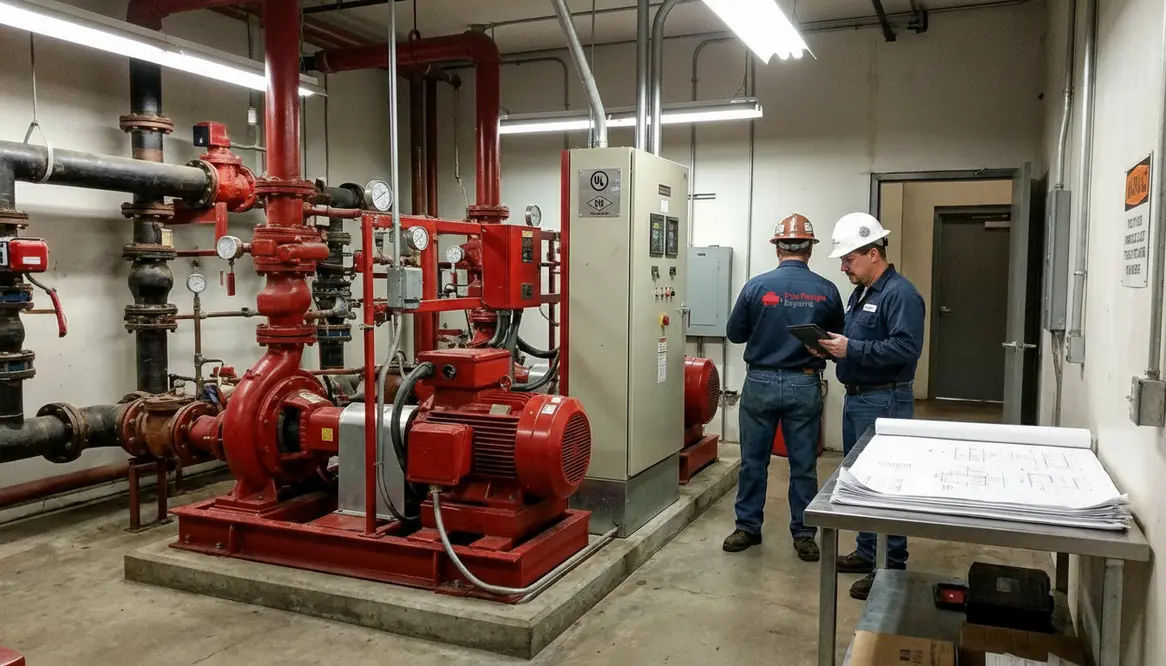
UL FM Fire Pump Approval Mistakes to Avoid
UL/FM Fire Pump Approval Mistakes to Avoid
When I talk about fire protection for commercial and industrial facilities, I always come back to one hard truth: UL/FM approval is not a box to check and forget. It is the difference between a system that earns trust and one that sends everyone into a paperwork panic worthy of a bad action movie. In the first 100 words, I want to make this clear. If you are planning, specifying, or reviewing a fire pump for a major property, the details matter. A lot. And when they go wrong, they usually go wrong in expensive, avoidable ways.
In this article, I will walk through the most common approval mistakes I see, why they happen, and how I would avoid them in the real world. Because in fire protection, guesswork is not a strategy. It is just a fancy way to invite trouble.
Why UL/FM approval matters in commercial projects
I treat UL/FM approval as a baseline for confidence. It tells me the fire pump has been tested and recognized for serious duty in demanding buildings. That matters in warehouses, manufacturing plants, office towers, hospitals, data centers, and other major properties where fire risk and downtime can both hit hard.
However, approval does not mean universal fit. A pump can be listed and still be wrong for the job if the project team ignores the system design, water supply, or site conditions. That is where the trouble starts. Therefore, I always remind teams that approved does not mean automatic. It means qualified within a defined set of conditions. That is exactly why UL/FM approval deserves early attention, not a rushed review at the end.
Common UL/FM approval mistakes I see
Here are the biggest missteps I watch for on commercial and industrial fire pump projects:
1. Choosing the pump before confirming the system demand
Too often, someone picks equipment first and figures out the design later. That is backwards. I always want the fire flow, pressure needs, elevation, pipe losses, and sprinkler demand confirmed first. Otherwise, the pump may be too large, too small, or simply mismatched to the building.
2. Ignoring the water source
Some teams assume the supply is fine because the site has water. That is like assuming a superhero can fly because the cape looks sharp. I review the source carefully, because the suction conditions, tank setup, and supply pressure all affect approval and performance. If the source cannot support the pump, the system fails before it starts, and UL/FM approval does not rescue a fundamentally weak supply.
3. Overlooking installation limits
Approval depends on more than the pump nameplate. I look at room layout, ventilation, drainage, access, and controller placement. If the install site fails to meet the required conditions, the system can lose its approved status in practice, even if the equipment itself is listed. That is the sort of detail that makes facility managers sigh into their coffee.
4. Using parts or controls that do not match the approved package
A fire pump system works as a set, not as a buffet. I have seen projects mix components from different sources and then act surprised when approval issues appear. So I always verify the controller, driver, accessories, and test equipment match the approved configuration.
5. Skipping the documentation trail
Paperwork may not feel exciting, but it saves projects. I keep submittals, cut sheets, approvals, and field reports clean and complete. Without that trail, even a solid install can stall during review. And yes, nobody enjoys a delay caused by a missing form from page 47 of the submittal pack.
How I verify UL/FM approval before the project moves
Before anything gets installed, I check the project from both the code and practical side. I confirm the pump rating, the intended service, the water supply, and the exact equipment package. Then I compare the submittal against the approved listing details. If something does not line up, I stop and fix it early.
I also like to review the needs of the specific property type. A distribution center does not behave like a high rise, and a manufacturing plant does not think like a tech campus. Different risks call for different planning. That is why I never trust a one size fits all approach. It may work in sitcoms, but not in fire protection. When UL/FM approval is treated as a design driver instead of an afterthought, the whole project feels calmer and more predictable.
Approval check
- Match the pump to the confirmed fire demand
- Verify the water supply supports the system
- Confirm all parts fit the approved package
- Review room conditions and install limits
Common risk
- Oversized or undersized pump selection
- Poor suction conditions or weak supply
- Mixed components that break compliance
- Site issues that block acceptance
Where many commercial teams get tripped up
I see the same pattern again and again: a tight schedule pushes the team to move fast, and approval gets treated like a final step instead of a design rule. That creates avoidable stress. For major property owners, the safer path is to build approval checks into every phase, from design through startup.
Also, it helps to work with teams who understand UL/FM approval for commercial and industrial fire pump systems, not just general mechanical gear. Fire pumps live in a world of code, testing, and close review. If you treat them like ordinary equipment, they will remind you who is boss. Smart owners bake UL/FM approval expectations into specifications, commissioning plans, and ongoing maintenance so there is never a scramble to prove that the installation truly matches the listed conditions.
If you want examples of systems that take this seriously, reviewing resources at https://firepumps.org can be a useful starting point when discussing performance, reliability, and the role of UL/FM approval across complex portfolios.
FAQ
Conclusion
If I want a fire pump project to move smoothly, I start with the approval details and never let them drift. That means checking the design, the water supply, the install site, and the full equipment package before anyone bolts down a single part. For commercial and industrial facilities, that discipline protects budgets, schedules, and lives. If you are planning a major property project, I recommend reviewing your fire pump strategy now and confirming every approval detail with care so UL/FM approval becomes a strength instead of a last-minute headache.