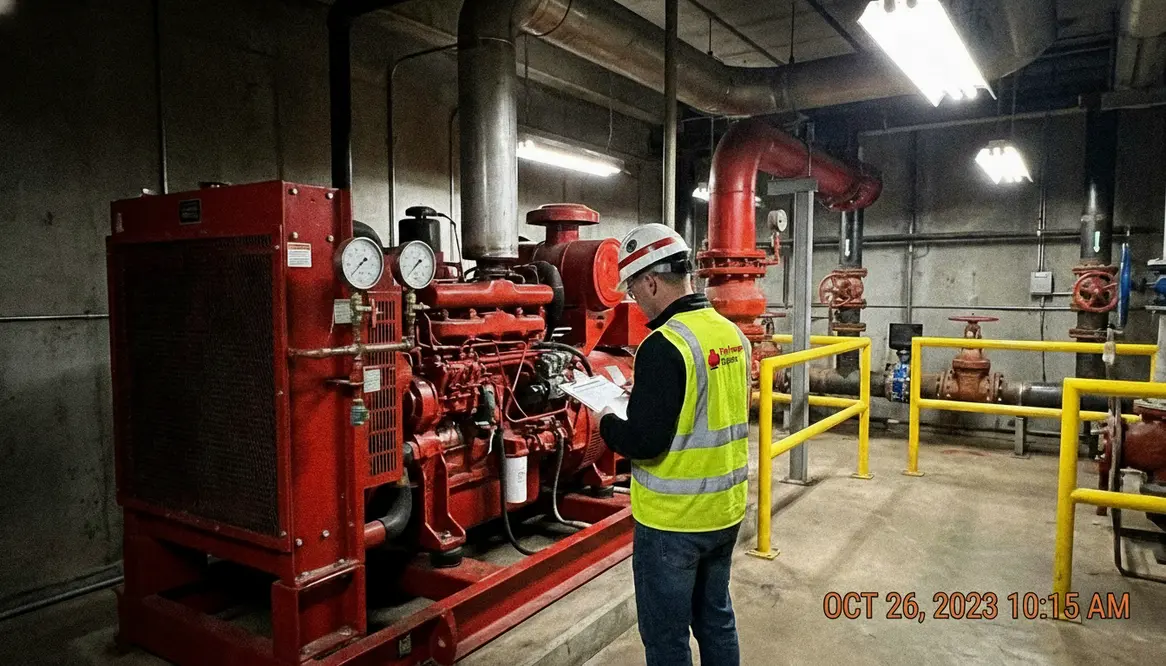
AS 2941 Fire Pump Acceptance Testing Guide
When I talk about AS 2941 testing, I am talking about the moment a fire pump proves it can do its job when the pressure drops and the stakes rise. That test is not a box to tick and forget. It is the final check that tells a commercial or industrial facility, or a major property building, that the pump system can protect people, assets, and business continuity when it matters most. And yes, this is the part where the pump has to perform, not just look impressive in the plant room like it is auditioning for a superhero movie.
In this guide, I will walk through the acceptance process in plain language, explain what gets tested, and show how I approach compliance with confidence. I will keep it practical, because no one in a plant room wants a speech that sounds like it was written by a bored committee.
What AS 2941 testing means for my site
AS 2941 testing checks whether a fire pump system meets the performance and installation requirements for Australian fire protection systems. I use it to confirm that the pump, driver, controls, suction, discharge, alarms, and water supply all work together as one system. If one part slips, the whole setup can struggle. That is the truth, plain and simple.
For commercial and industrial facilities, this matters even more because downtime costs money fast. A failed acceptance test can delay occupancy, disrupt operations, and trigger costly rework. So I treat the test as a live proof of readiness, not a paperwork exercise. The goal is to show that the pump can deliver the required flow and pressure under real conditions, while also responding properly to start commands and fault signals.
How I prepare for acceptance testing
I always begin with a full review of the approved drawings, the specification, and the installed equipment. Then I confirm that the fire pump room is clear, safe, and ready for test equipment. This is where good planning saves the day. Without it, the test can turn into a slow motion episode of “who forgot the gauge?”
Before I start, I check these key items:
- pump model and duty rating
- driver type and control panel setup
- suction source and water level
- pipe sizing and valve positions
- pressure gauges and test instruments
- power supply and backup arrangements
I also make sure the site team knows the schedule. After all, no one wants a surprise pump run while the building manager is in the middle of a board meeting or a production shift handover. Clear communication keeps the test smooth and safe.
What gets checked during the test
During AS 2941 testing, I focus on both performance and function. First, I verify that the pump starts correctly under the right trigger condition. Then I check that it reaches the expected discharge pressure and flow. I also watch for vibration, leaks, strange noise, and unstable pressure. If a pump sounds like it is unhappy, I pay attention. Machines do not need therapy, but they do give clues.
Main checks during AS 2941 testing
- Performance checks
Flow rate, pressure, suction stability, and duty point results - Functional checks
Automatic start, manual start, alarms, controller operation, and fault response
- System checks
Valves, fittings, pipe integrity, tank supply, and discharge arrangement - Safety checks
Emergency stops, access, signage, and working space around the pump set
I also confirm that the test records match the actual readings. If the numbers do not line up, I stop and investigate. Compliance has no room for guesswork, and fire protection certainly does not accept “close enough” as a design philosophy.
How I read the results and fix issues
Once I finish the test, I compare the results against the required acceptance criteria. If the pump meets the duty point, starts as expected, and keeps pressure stable, I can move toward signoff with confidence. However, if the pump underperforms, I look at the cause instead of blaming the pump right away. Sometimes the issue sits in the suction line. Sometimes the controller settings need correction. And sometimes the system simply needs a proper balance check after installation.
I have seen small problems create big delays. A partially closed valve can wreck a test. A bad gauge can tell a fake story. A loose electrical connection can make a reliable system look doubtful. So I use the results from AS 2941 testing to guide corrective action, retest, and final documentation. That way, the building gets a system that works, not a system that merely hopes for the best like a side character in a disaster film.
If I need technical guidance or a reference point for Australian compliance, I also review the AS 2941 fire pump compliance standard through trusted industry resources such as commercial fire pump testing guidance for major facilities. That helps me stay aligned with the expectations for industrial plants, warehouses, high rise assets, and other major properties where uptime and safety carry real weight.
How I keep the system ready after acceptance
Acceptance testing is only the start. After that, I stay focused on ongoing inspection, service, and performance checks. Fire pumps can drift over time because seals wear, valves shift, and systems age. So I treat post test maintenance as part of the same story. It is the sequel that has to be just as strong as the first film, otherwise the franchise loses trust fast.
Keeping AS 2941 testing results meaningful
I recommend a steady maintenance routine that includes regular start tests, pressure checks, visual inspection, and documented service by qualified fire protection professionals. For commercial and industrial sites, this approach reduces risk, supports compliance, and helps protect operations from avoidable loss. In short, it keeps the pump ready for the moment nobody wants, but everybody must prepare for.
When AS 2941 testing is backed by disciplined maintenance, the fire pump system does not become a one hit wonder. It becomes a reliable part of the safety plan that stands up to scrutiny, audits, and real emergencies.
AS 2941 testing in the bigger picture
AS 2941 testing sits alongside broader fire system commissioning, insurance expectations, and business continuity planning. It is not just a mechanical ritual. It is a performance review of the system that may have to work while power fails, staff evacuate, and emergency services respond.
When a site takes this testing seriously, it sends a clear message: life safety and operational resilience are not negotiable. That attitude shows up in better record keeping, more thoughtful design decisions, and fewer last minute “fix it in the field” shortcuts that tend to haunt projects later.
FAQ
Conclusion
If you manage a commercial or industrial site, or you oversee a major property building, I urge you to treat fire pump acceptance testing as a serious step, not a formality. A proper test protects your people, your property, and your operations.
So review your system, confirm compliance, and make sure your fire pump is ready before you need it. If you want dependable results, book a professional assessment and take action now so that AS 2941 testing becomes a confident signoff, not a stressful surprise.