AS 2941 Diesel Fire Pump Requirements Guide
AS 2941 diesel fire pump requirements: my starting point
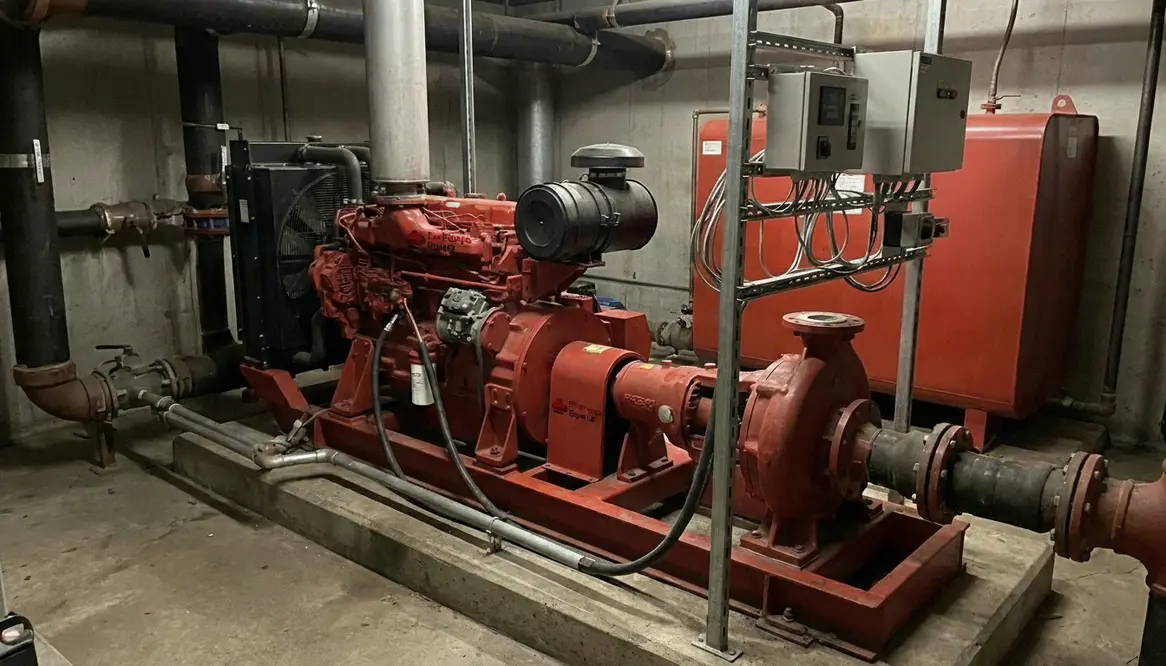
When I talk about AS 2941 diesel fire pump requirements, I am talking about the backbone of fire protection in commercial and industrial sites. These systems matter because when the power fails, the pump cannot take a nap like a bored extra in a slow movie. It has to start, run, and deliver water with no drama. In major buildings, warehouses, plants, and heavy use facilities, the standard helps me keep the fire pump dependable, ready, and fit for duty.
What AS 2941 diesel fire pump requirements mean for my site
I treat AS 2941 as a practical rulebook for diesel driven fire pumps used in serious properties. It tells me how to select, install, test, and maintain the pump so it works when the pressure drops and the stakes rise. Because diesel pumps do not rely on the electric supply, they give me a strong backup path during outages. That makes them ideal for commercial and industrial facilities that cannot afford weak links.
First, I make sure the pump set suits the building risk and water demand. Then I check the pump room, fuel supply, ventilation, exhaust, batteries, and controls. Each part must support reliable start up and steady operation. If one piece falls short, the whole system can stumble, and nobody wants that kind of plot twist.
How I check AS 2941 diesel fire pump installation details
I always start with the basics, because the basics keep the system alive. The pump must sit in a proper room with enough space for service and inspection. In addition, I look at access, drainage, and protection from heat, flooding, and damage. A clean, well planned room makes testing easier and cuts down on service headaches later.
The fuel system also deserves close attention. I confirm the tank size, fuel quality, piping, and controls for safe operation. I also check that the diesel engine can start fast in cold or tough conditions. Battery support matters too, since the engine needs a strong first push. It is a little like a blockbuster hero entrance: the timing must be sharp, or the scene falls flat.
Key installation checks at a glance
Check area
- Room layout
- Fuel system
- Engine start
- Ventilation
- Controls
What I verify
- Room layout: clear space, access, drainage, and protection
- Fuel system: tank size, clean fuel, piping, and safe supply
- Engine start: batteries, cranking speed, and reliable ignition
- Ventilation: air flow for cooling and exhaust removal
- Controls: automatic start, alarms, and easy manual use
What AS 2941 diesel fire pump testing should cover
Testing gives me proof, not promises. I test the pump under real conditions so I can see flow, pressure, starting response, and engine performance. I also watch for leaks, vibration, strange noise, and heat build up. If the pump sounds like it has joined a garage band, I know I need to dig deeper.
Regular testing helps me catch small issues before they become expensive problems. I want the system to start quickly, run smoothly, and hold pressure for the needed time. So, I track test results and compare them over time. That way, I can spot slow changes before they turn into a major failure during an emergency.
I also keep maintenance tied to testing. When I see dirty fuel, weak batteries, worn belts, or poor cooling, I act fast. After all, a diesel pump does not care about excuses. It only cares whether it can do the job.
Where I use AS 2941 diesel guidance in commercial facilities
I apply this standard in places where fire risk, downtime, or asset loss can hit hard. That includes logistics hubs, manufacturing sites, high rise buildings, storage facilities, and other major properties. These sites need strong fire protection because the impact of a failure can spread fast and cost a lot.
In these settings, I also look at how the pump works with the broader fire system. The pump must support sprinklers, hydrants, and site specific fire controls. Therefore, I do not treat it as a lone machine in the corner. I treat it as part of the whole protection plan, where every link must hold.
Why I keep maintenance and compliance simple but strict
I follow a clear routine because fire pump compliance should not feel like a mystery novel. I record inspections, service dates, test outcomes, fuel checks, and repair work. Then I review the logs often so I can prove the system stays in good shape. Good records help me show compliance and make audits far less painful.
I also keep service crews trained on the system layout and start sequence. That matters because a well trained team moves faster and makes fewer mistakes. In the end, simple habits protect big assets. That is the quiet strength of a well run diesel fire pump system.
AS 2941 diesel in the bigger picture
AS 2941 diesel requirements do more than keep one pump honest. They knit the pump into the wider safety strategy for the site. When I design or review systems, I tie the diesel fire pump into evacuation plans, sprinkler layouts, hydrant coverage, and on site emergency response.
This is where coordination with competent fire protection specialists really pays off. From understanding hydraulic calculations through to setting up functional weekly or monthly test routines, the AS 2941 diesel framework gives a common language that consultants, contractors, and facility managers can share.
When the same language flows from design drawings to commissioning paperwork and then into day to day maintenance logs, the result is far fewer surprises. You can see this play out during audits, insurance reviews, or when you walk an insurer or regulator through your pump room and they can follow the story from standard to site conditions without confusion.
Getting practical support
If you are not living and breathing fire pumps every week, it makes sense to lean on people who do. That might mean using specialist technicians for annual performance testing, drawing on trusted designers when you modify pipework, or getting an independent review before you sign off on a major upgrade.
For more structured guidance on diesel fire pumps and related systems, resources such as https://firepumps.org can help you understand how standards, design practice, and field experience line up in real projects.
FAQ
Conclusion
If you manage a commercial or industrial property, I strongly recommend treating AS 2941 diesel fire pump requirements as a live part of your risk plan, not a shelf document. When you want dependable fire protection, proper setup, testing, and maintenance make all the difference. So, review your current system, close any gaps, and get expert support where needed. A ready pump protects people, property, and peace of mind, which is a fine return on effort.