AS 2941 Electric Fire Pump Compliance Guide
I have spent enough time around fire protection systems to know this much: when a building’s safety plan depends on a pump, the details matter. That is where AS 2941 electric comes in. It sets the rules for electric fire pump setups in commercial and industrial spaces, and it does not leave room for guesswork. If you manage a warehouse, plant, tower, or other major property, this standard helps you keep the water moving when the heat is on. And yes, that is the kind of performance even Hollywood would struggle to exaggerate.
In this guide, I will break down what the standard expects, where it fits in a fire system, and how to plan for compliance without turning your day into a paperwork marathon.
What AS 2941 Electric means for major buildings
AS 2941 electric covers the design, installation, and upkeep of electric fire pumps used in fire sprinkler and hydrant systems. I see it as the rulebook that keeps a critical safety device ready for action. It focuses on reliable pump performance, proper power supply, control gear, and the right setup around the pump room.
This standard matters most for commercial and industrial facilities because those sites often carry higher fire risk, larger floor areas, and more complex water demand. A small system mistake can become a big problem fast. So, the standard pushes owners and contractors to plan carefully from day one.
In plain terms, the pump must start when needed, keep running under stress, and avoid common failure points. That sounds simple, but in fire safety, simple often means disciplined. And disciplined is good. It beats improvisation every time, even if you are trying to channel your inner action hero.
How I check the key requirements
When I review an electric fire pump setup, I focus on four main areas.
- Power supply: The pump needs a dependable electrical source with proper protection and isolation.
- Control equipment: The controller must suit the pump and allow fast, clear operation.
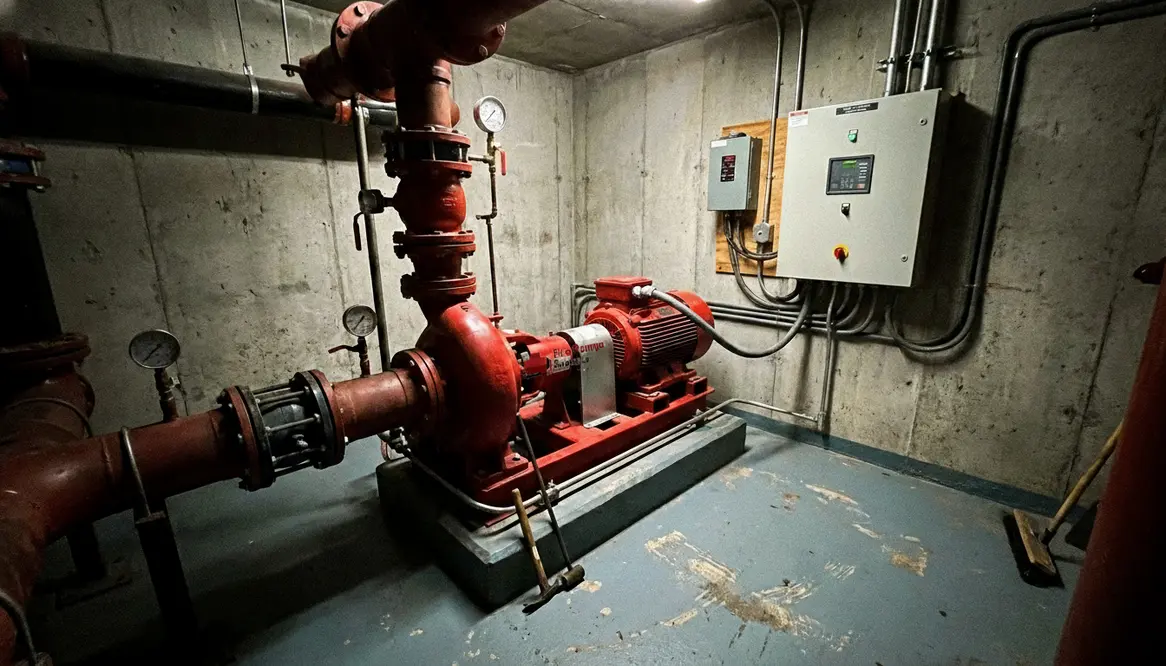
- Location: The pump room must support safe access, ventilation, drainage, and protection from damage.
- Performance: The pump must deliver the required flow and pressure for the system it serves.
These points do not work alone. Instead, they connect like gears in a machine. If one part fails, the whole setup can suffer. For that reason, I always treat the pump, controller, cabling, and room conditions as one system, not separate boxes to tick.
Also, the standard expects practical reliability. That means the building should not rely on lucky breaks, temporary fixes, or “we will deal with it later” thinking. Later is not a strategy. It is just a date on a calendar.
Why installation details matter so much
Installation can make or break compliance. Even a strong pump can struggle if the layout creates heat, water damage, vibration, or access issues. Therefore, I pay close attention to how the pump sits in the room, how the cables run, and how the system connects to the rest of the fire protection network.
For major buildings, the pump room should stay easy to reach and free from clutter. It should also stay dry, secure, and well lit. In addition, installers must think about maintenance access. If a technician cannot inspect or service the pump without a wrestling match, the design has already gone wrong.
In many projects, the electrical side also needs careful coordination with the site’s main power system. This step matters because fire pumps must respond during an emergency, not just during a quiet test on a calm Tuesday. That is where consistent AS 2941 electric planning becomes critical.
AS 2941 electric compliance checklist
Here is a simple two column view of the main compliance focus points I use on site:
Design and setup
Correct pump size, proper controller, suitable power supply, clear room layout, safe access
Testing and upkeep
Routine checks, function tests, fault review, record keeping, service access, repair follow up
This checklist helps me stay focused on what keeps the system ready. It also helps owners avoid the classic trap of installing equipment and then forgetting it exists until an audit or alarm reminds everyone. Fire systems do not enjoy being ignored. They tend to return the favor at the worst possible time, and the AS 2941 electric framework is not kind to neglected hardware.
How I approach testing and maintenance
I treat testing as the proof that the system can do its job under pressure. Regular checks help confirm that the controller responds, the pump starts properly, and the water delivery stays within the expected range. Just as important, maintenance helps catch wear before it turns into failure.
For commercial and industrial properties, I recommend a clear service plan with scheduled inspections and documented results. That plan should include fault corrections, component checks, and any follow up work needed after a test. If a pump shows weak performance, unusual noise, or control issues, I would not wait around like a side character in a thriller. I would fix it promptly.
Record keeping also matters. Good logs help show compliance, support repairs, and guide future upgrades. They also make life easier when an assessor, insurer, or site manager asks for proof. Nobody wants to dig through mystery folders when safety is on the line.
The most resilient sites I see treat AS 2941 electric testing as part of normal operations, not a once-a-year sprint before an audit. When that mindset takes hold, the pump room quietly becomes one of the most reliable corners of the building.
Practical tips for smoother compliance
Start with the water demand
Before anyone argues about cable sizes or breaker settings, confirm the fire system’s water demand. That figure drives pump selection, pipe sizing, and tank capacity. Guesswork here creates expensive rework later, especially when AS 2941 electric calculations expose the gaps.
Lock in clear responsibilities
On large projects, I like to see written roles for design, installation, commissioning, and ongoing maintenance. Fuzzy ownership often leads to missing documents, untested alarms, or “temporary” workarounds that mysteriously become permanent.
Keep the pump room boring
The best pump rooms are quiet, tidy, and almost dull. No storage cages, no random equipment, no mystery leaks. Just a clearly laid out fire pump set, power supply, lighting, drainage, and space to work without acrobatics.
If you want a deeper technical overview of fire pumps, https://firepumps.org is a good starting point alongside the actual AS 2941 standard.
FAQ
Bringing it all together
If you manage a commercial or industrial property, treat fire pump compliance as a priority, not a side task. Review your setup, confirm your testing plan, and check that your documentation matches the standard.
AS 2941 electric is not there to make life difficult; it is there to stack the odds in your favor when conditions are at their worst. A clear design, a reliable pump, solid records, and a calm technician in a well-kept pump room beat improvisation every single time.
If you need support with electric fire pump compliance for a major facility, reach out and make the next step count. A strong fire system starts with clear action, and now is the right time to take it.