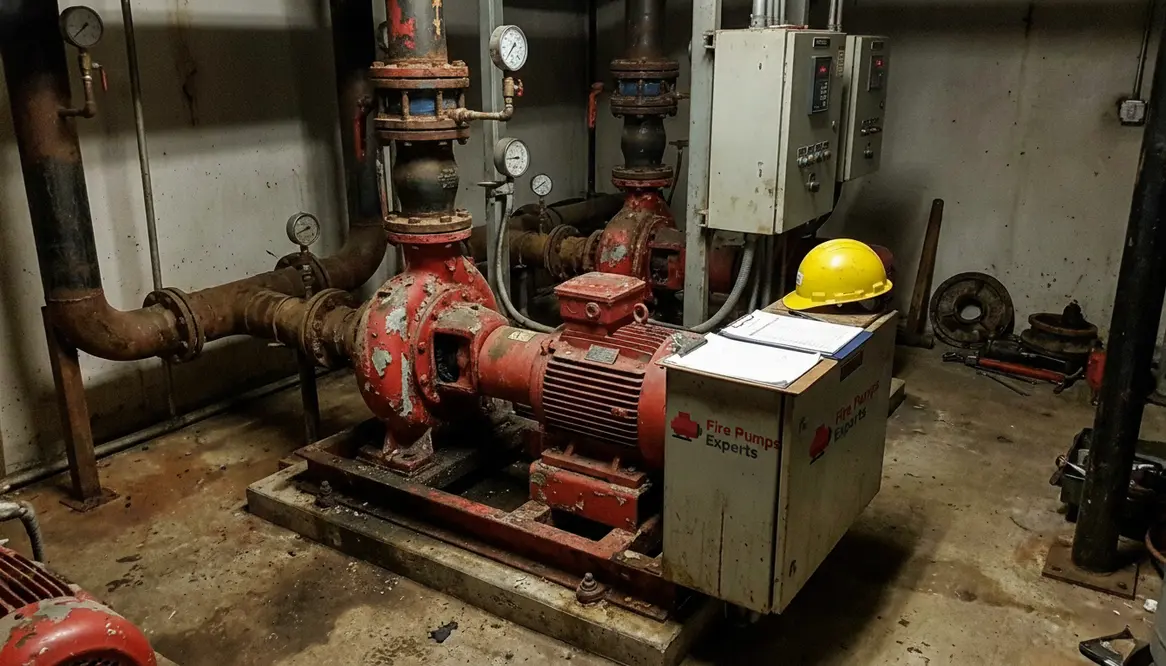
AS 2941 Fire Pump Replacement Planning Guide
When I plan a fire pump replacement, I do not treat it like a simple swap of old hardware. I treat it like a live safety decision, because that is exactly what it is. In a commercial or industrial building, one weak link can turn a calm night into a very expensive headline. That is why AS 2941 replacement planning matters so much. It gives me a clear path to protect the building, keep operations steady, and avoid the kind of surprise that makes everyone in the room stare at the ceiling like the answer is up there somewhere.
In this guide, I will walk through the steps I use to plan a fire pump replacement for major properties. I will keep it practical, clear, and focused on what facility managers, building owners, and fire protection teams need most.
How I Know It Is Time to Replace a Fire Pump
I start with the signs. A fire pump does not usually fail with drama and music. It gives warnings first. For example, I watch for age, worn parts, poor test results, vibration, leaks, odd noise, and rising repair costs. If the pump keeps needing attention, I know I am no longer managing a machine. I am feeding it money and hoping for the best, which is not a strategy.
I also check how the pump fits the current building use. A site may have grown, changed floor layout, added stored goods, or increased water demand. In that case, the old pump may still run, but it may not support the risk profile any longer. That is where AS 2941 replacement planning becomes useful. It helps me match the pump to the real building needs, not the needs from ten years ago when the office coffee machine was still considered advanced technology.
What I Check Before I Plan the Replacement
I never pick a new pump first and ask questions later. I begin with the site data, the current fire system design, and the existing pump performance. I review pump curve data, power supply, controller condition, suction and discharge lines, and the water source. I also look at how the system supports the rest of the fire protection network.
The dual review I rely on
Current system review
- Pump age and service history
- Test results and flow performance
- Controller condition and power supply
- Tank, suction, and piping condition
Site and business impact review
- Building type and occupancy
- Production or tenant downtime risk
- Access for removal and installation
- Compliance needs for the facility
This step matters because a fire pump replacement is never just about the pump. It also affects access routes, shutdown timing, contractor staging, and how much the building can tolerate interruption. A smart plan respects both safety and operations. That balance keeps the project from turning into a real life version of a bad sitcom where everyone is busy, but nothing gets done.
How I Build a Replacement Plan That Works on Site
Once I know what must change, I map the work in stages. First, I confirm the design need. Then I set the timeline, test method, and shutdown window. After that, I coordinate with the building team, fire protection contractor, electrician, and any other trades that affect the changeover. This part needs calm leadership because one missed detail can ripple through the whole site.
I also plan for temporary protection if needed. In a large commercial or industrial property, I may need to keep the fire system available while the pump is offline. That means I must think ahead about staging, tie in points, and backup safety steps. I do not wait until removal day to discover that a pipe, valve, or access panel has a personality problem.
AS 2941 replacement work should also include testing after installation. I want proof, not hope. So I schedule performance checks, control checks, alarm checks, and any required acceptance testing. If the pump does not perform as expected, I want to know before the site returns to normal operations.
Who I Involve to Keep the Project Safe and Smooth
I have learned that fire pump replacement goes better when the right people are in the room early. That usually includes the building owner or manager, the fire protection specialist, the mechanical contractor, the electrician, and the maintenance team. If the site has tenant groups or production teams, I loop them in too, because their work schedules matter.
I also keep documentation close. I save the design details, product data, test records, and final commissioning results. This helps with future audits, servicing, and life cycle planning. In other words, I make sure the next person does not have to solve a mystery novel with missing pages.
Why good references matter
For deeper guidance, I often point teams to AS 2941 compliant fire pump replacement planning resources when they need help connecting code needs with practical site decisions. A good reference can save time and reduce confusion, especially on larger properties where one missed step can cost a lot more than a coffee break.
If you need a starting point, I recommend exploring resources at https://firepumps.org to support your AS 2941 replacement planning and decision-making.
FAQ for Fire Pump Replacement Planning
These are the questions I hear most often when planning AS 2941 replacement projects for commercial and industrial sites.
My Final Step: Act Before the Old Pump Acts First
I never wait for a fire pump to fail before I plan its replacement. That kind of delay puts the building, the people in it, and the business itself at risk. If you manage a commercial or industrial property, now is the right time to review your system, check your compliance needs, and map the next move with care.
Thoughtful AS 2941 replacement planning turns a stressful upgrade into a controlled project with clear outcomes, tested performance, and documented proof that your fire pump is ready for the moment that matters most.