AS 2118 Fire Pump Water Supply Requirements Guide
AS 2118 Fire Pump Water Supply Requirements: what I look for in commercial and industrial sites
When I talk about AS 2118 water supply, I am really talking about the quiet muscle behind a building fire system. If the pump is the heart, then the water supply is the blood. And in commercial and industrial buildings, that matters a great deal. I have seen sleek systems look impressive on paper, only to stumble when the water source cannot keep up. That is where AS 2118 steps in and brings order to the chaos. It sets the rules for what the pump needs, how much water it must get, and how long it must keep going. In short, it keeps the system from acting like a hero in a movie trailer and then disappearing at the worst possible moment.
The role of AS 2118 in real buildings
On commercial and industrial sites, I have watched impressive drawings fall flat once the pump starts and the supply begins to sag. AS 2118 keeps the focus on whether the system will still be standing strong 10, 20, or 30 minutes into a serious fire, not just during a quick commissioning test.
What AS 2118 expects from a fire pump water supply
AS 2118 expects the pump water supply to do one simple thing very well: provide reliable water at the right flow and pressure for the required duration. In practice, that means the source must support the fire demand without falling apart when the system starts working hard. I look at three things first: volume, pressure, and continuity. If any one of those slips, the whole design can lose strength.
Three pillars of a compliant supply
- Volume: enough stored or available water to meet the design fire.
- Pressure: sufficient net pressure at the most demanding outlets.
- Continuity: the ability to maintain that flow and pressure for the full duration.
The standard also pushes for a supply that can match the building risk. A large warehouse, plant room, tower, or shopping complex does not get the same treatment as a small office fitout. That makes sense. A building with higher fire load needs a stronger backup plan, not wishful thinking and a prayer. The water source must suit the pump duty and the fire scenario, not just the cheapest setup available.
How I check the water source for commercial sites
I start by identifying where the water comes from. For a commercial or industrial property, that may mean town mains, tanks, dams, or a mix of sources. Next, I check whether the source can deliver the needed flow for the full pump run time. Then I look at refill capacity, because a tank that drains too fast is like a phone at 2 percent during a blackout. Useless, dramatic, and deeply inconvenient.
The practical flow I follow
Here is the practical flow I follow:
Water source side
- Confirm supply type and reliability
- Measure available flow and pressure
- Check storage volume and refill rate
Pump side
- Match pump duty to the supply curve
- Confirm the pump can draw without cavitation risk
- Test performance under real site conditions
These steps keep the design honest. They also help me spot weak points before they become expensive problems.
AS 2118 water supply rules I pay close attention to
AS 2118 water supply requirements focus on dependable performance, not guesswork. So I pay close attention to how the supply handles demand over time. The pump must get enough water at the right pressure, and the source must keep that promise during the full operating period. That is especially important for major properties where fire crews may need time to reach the site.
Where systems quietly lose pressure
I also watch for pressure loss across the system. Long pipe runs, tight bends, worn fittings, and poor tank layout can all rob the pump of strength. As a result, a good supply on paper can become a weak supply in the real world. I have learned that fire systems love details. Miss a small one, and the system will remind you in the least charming way possible.
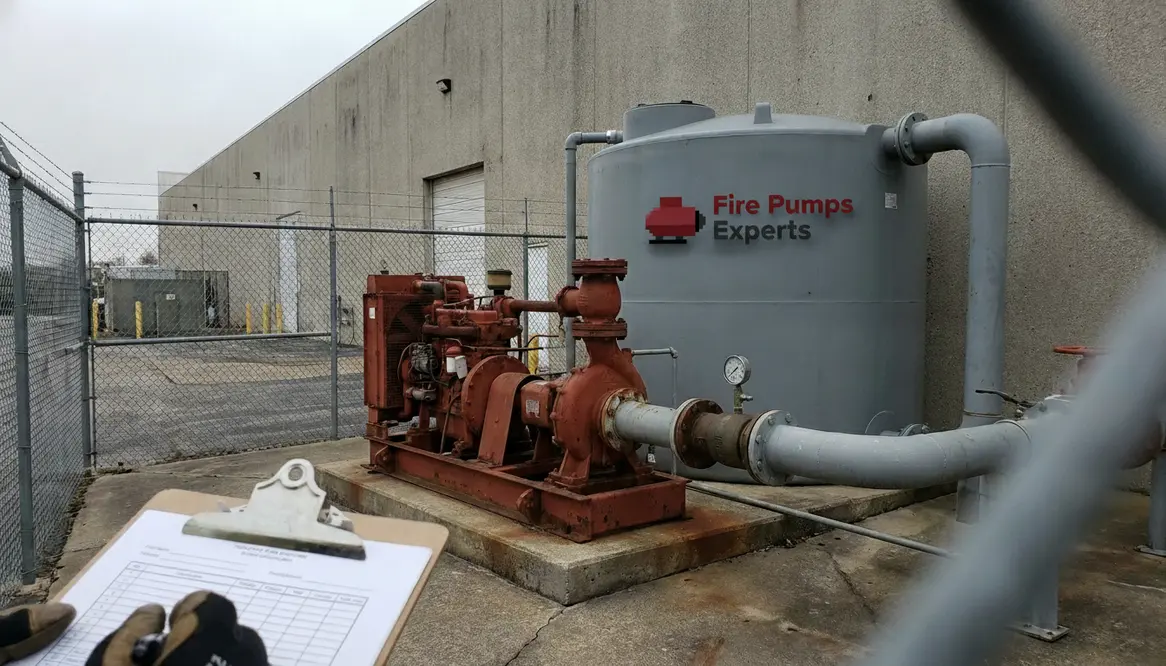
The standard also supports proper sizing of tanks and connection points. That means the supply must work with the pump, not fight it. In industrial sites, I often see special challenges such as high use demand, process water ties, or space limits. Therefore, I always check whether the site design leaves enough room for maintenance, testing, and safe access.
Why reliable water supply protects major properties
For major properties, water supply is not a side issue. It shapes the whole fire strategy. If the supply fails, the pump cannot do its job, and the rest of the fire system loses strength. That can put people, stock, equipment, and operations at risk.
Reliable supply also helps with compliance and insurance confidence. It shows that the building owner did not treat fire protection like an afterthought. Instead, they built a system that can stand up under pressure. And yes, pressure is the keyword here, in both the mechanical and emotional sense. Nobody wants a fire drill that turns into a real world episode of “guess what failed today.”
Where AS 2118 water supply fits in the bigger picture
For facilities like distribution centers, manufacturing plants, logistics hubs, and large commercial buildings, the water supply must be part of the wider safety plan. A compliant AS 2118 water supply supports the pump, matches the hazard, and stays ready for the long haul rather than just the commissioning day photo.
What I recommend before design or upgrade
Before I sign off on a pump water supply concept, I always recommend a full site review. That review should cover the water source, pump duty, storage, pressure, access, and maintenance needs. It should also compare the site layout with the fire risk profile. A strong concept today can become a weak one tomorrow if the building changes and nobody updates the system.
Specialists, standards, and your site
That is why I suggest speaking with specialists who understand commercial and industrial fire systems, not just general plumbing. If you want a deeper reference on system design and supply expectations, I suggest reviewing AS 2118 fire pump water supply guidance from a trusted industry source such as https://firepumps.org and then testing it against your site needs. Standards are useful, but they still need a smart pair of eyes.
Treating the AS 2118 water supply as its own design task pays off quickly. When the water source, pump, and pipework are tuned to each other, the system feels calm and predictable rather than fragile and full of surprises.
AS 2118 water supply: quick reference points
- Confirm your AS 2118 water supply can sustain design flow and pressure for the full duration.
- Check that storage, mains, and refill arrangements match the building hazard and fire loading.
- Allow space for access, testing, and maintenance so the supply can be inspected without acrobatics.
- Revisit the design whenever the building use, footprint, or occupancy profile changes in a meaningful way.
FAQ
Conclusion
If you manage a commercial or industrial property, I urge you to treat fire pump water supply as a serious design task, not a box to tick. The right AS 2118 water supply setup keeps the pump ready, the system steady, and the building better protected when trouble shows up. So take a close look at your site, review the supply path, and speak with a specialist before you build, upgrade, or expand. A calm plan today can prevent a very loud problem later.