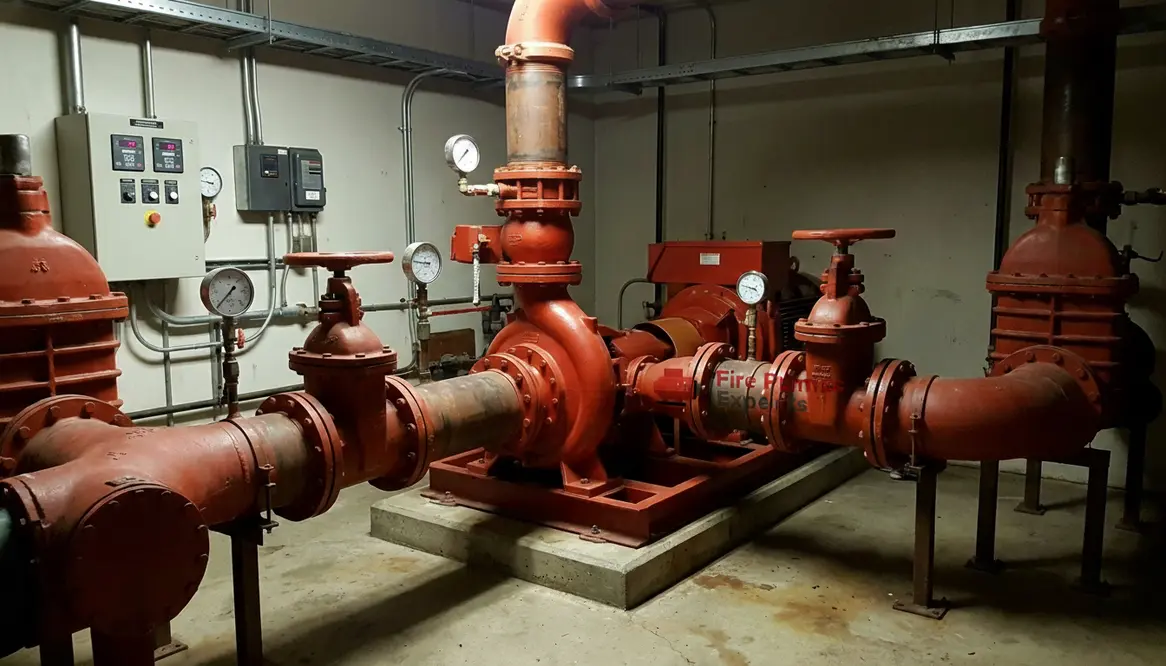
AS 2118 Sprinkler Pump Design Guide for Industry
A practical guide to designing sprinkler pumps that stay reliable, compliant, and ready when pressure counts.
AS 2118 Sprinkler Pump Design Guide: A Practical Path for Commercial and Industrial Protection
When I look at an AS 2118 sprinkler setup, I do not see pipes and pumps. I see time. I see the narrow window that stands between a small flare up and a full scale crisis. In a commercial plant, a warehouse, or a major property building, the pump is the quiet hero that does the heavy lifting when the pressure drops and the heat rises. And yes, it works harder than the office coffee machine, which is saying something. In this guide, I will walk through the design ideas that matter most, so you can plan a system that stays reliable, compliant, and ready for the real world.
Quick snapshot
- Focus: Commercial and industrial AS 2118 sprinkler pump design
- Goals: Reliability, compliance, and real world performance
- Key themes: Sizing, layout, pump type, testing, and maintenance
What AS 2118 sprinkler pump design must achieve
I always start with the purpose. A sprinkler pump must supply the right flow and pressure to the most demanding area of the system. That sounds simple, but the details decide success. First, I confirm the building use, hazard level, and ceiling layout. Then I check the water supply and the expected demand curve. If the pump cannot hold pressure during peak flow, the system will underperform when it matters most.
For commercial and industrial sites, I also look at continuity. A pump design should support long duty cycles, resist wear, and handle real operating conditions. So, I pay attention to suction conditions, power supply stability, and pump room access. In other words, the design should not just pass a drawing review. It should survive Monday morning.
How I size the sprinkler pump for your site
Proper sizing starts with the design area. I identify the hydraulically most remote zone, then calculate the required flow and pressure based on the sprinkler demand. After that, I add the losses from pipes, valves, fittings, and elevation. The pump must overcome all of that while still delivering the right residual pressure at the sprinkler heads.
Here is the simple logic I follow:
- Design area demand: the base flow needed for the protected zone
- System losses: friction loss through the pipe network and valves
- Elevation gain: extra pressure needed for taller buildings or raised zones
- Safety margin: a modest buffer for real world variation
Also, I never size a pump from guesswork. That is how problems sneak in wearing a fake mustache. I use hydraulic calculations, site data, and a check against the water source. If the supply tank, main line, or suction arrangement cannot keep up, the pump selection must change before installation begins.
Key design checks: hydraulic vs practical
Hydraulic side
- Flow at design demand
- Pressure at the farthest point
- Suction lift limits
- Pipe friction losses
Practical side
- Room space for service
- Reliable power supply
- Easy access for testing
- Clear alarms and controls
Which pump type suits a major building
For most commercial and industrial facilities, I choose a pump type based on the water source and duty needs. A centrifugal fire pump often fits well because it delivers steady flow and works well in many sprinkler systems. However, the best choice depends on the pressure range, pump curve, and site layout.
I also consider the backup setup. Many major properties need a main pump and a standby option, especially where uptime matters. If the site has a diesel backup or a secondary power source, I make sure the control logic supports automatic start and clean transfer. That way, the system does not hesitate like a movie extra waiting for a cue.
In addition, I review the suction arrangement with care. A poor suction design can cause cavitation, noise, and damage. Therefore, I keep suction lines short, smooth, and correctly sized. I also confirm that the water source can feed the pump without starvation. A thirsty pump is a bad day for everyone.
What I check during installation and testing
Once the design is set, the field work begins. I check the pump foundation first because vibration control matters more than people think. Then I confirm alignment, valve placement, gauges, controllers, and drain routing. After that, I test the system under flow conditions to see whether the real output matches the design.
I also verify alarm functions, auto start behavior, and pressure settings. If the system includes a jockey pump, I make sure it maintains line pressure without forcing the main pump to cycle too often. That small unit may look unglamorous, but it helps preserve the life of the bigger equipment. Even superheroes need a support cast.
For large commercial sites, I recommend a proper maintenance plan from day one. Regular inspection, test runs, and record keeping help catch small faults before they become major repair bills. In a serious fire protection setup, neglect is expensive in every sense.
Why specialist support improves the final result
I have found that pump design works best when engineering, compliance, and site use all line up. That is why I value expert review, especially for large properties with complex water demands. A good team will check the hydraulic design, select the right equipment, and make sure the layout supports fast service later.
For businesses that want a deeper technical resource, I suggest reviewing commercial fire pump design guidance for AS 2118 systems as part of the planning process. It can help align the pump setup with broader fire protection goals and keep the project moving in the right direction. When the AS 2118 sprinkler arrangement, the pump selection, and the maintenance strategy all support each other, the overall fire protection posture becomes far stronger than any single component.
If you are comparing options for an AS 2118 sprinkler upgrade or a new build, bringing in specialist support early will usually save cost, time, and rework later in the project.
Bringing it together for your AS 2118 sprinkler system
A well designed AS 2118 sprinkler pump installation is rarely an accident. It is the result of careful hydraulic work, practical layout choices, and honest thought about how the building will operate over the long term. When the most demanding area of the system is properly understood, the water supply is confirmed, and the pump is sized with real margins instead of wishful thinking, the whole fire protection strategy becomes more robust.
FAQ
Conclusion
If you want your sprinkler system to do its job without drama, then start with a sound pump design. I help commercial and industrial property owners build systems that meet demand, support compliance, and stay ready when pressure counts. So, if you are planning a new project or reviewing an existing setup, take the next step now. A strong AS 2118 sprinkler pump design today can spare you a very expensive headache tomorrow.