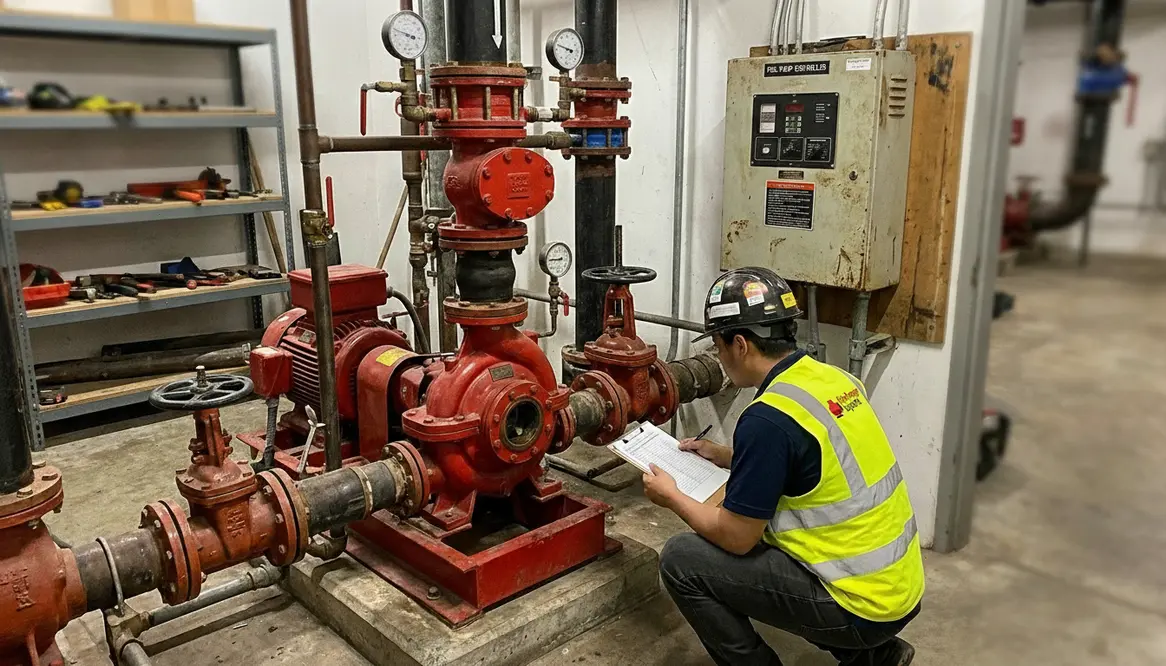
AS NZS Fire Pump Upgrade Guide for Facilities
AS/NZS Fire Pump Upgrade Planning Guide for Commercial and Industrial Facilities
When I plan an AS/NZS upgrade for a fire pump system, I start with one simple truth: this is not the place for guesswork. Commercial and industrial buildings need fire protection that works fast, works hard, and works every time the pressure rises. I have seen too many systems age like a bad sequel nobody asked for. So, if your site manages a warehouse, plant, high rise, or major property asset, this guide will help you map the upgrade with calm, clear steps and fewer surprises.
In this article, I walk through the practical side of planning, from checking compliance to choosing the right pump setup. I keep it straight, useful, and built for real world decision making. After all, a fire pump should be more like a reliable sidekick than a dramatic cameo.
Start With the Site Review
I always begin with a full site review. First, I check what the current pump system does, how old it is, and where it falls short. Then I look at the building type, water supply, hazard level, and any changes to the property since the last install. This matters because a system that suited the site ten years ago may now be underpowered or out of step with current needs.
Next, I review the actual risk profile. For example, a manufacturing site with process heat needs a different response than a commercial tower with dense occupancy. Also, I check access, control rooms, tank size, and power supply. If the system sits in a cramped plant room like it is hiding from responsibility, that alone can affect the upgrade plan.
Check Compliance Before You Buy Anything
Before I select equipment, I verify the current AS/NZS requirements that apply to the building and system type. That means I check pump performance, duty and standby needs, controller standards, suction conditions, and any testing rules that affect the site. If the old system passed years ago, that does not mean it still meets today’s standard.
This step saves time and money. It also prevents the classic project trap where someone buys the shiny new pump first and asks questions later. That path often leads to delays, redesigns, and a few tense meetings with people staring at site drawings like they are trying to decode ancient runes.
Build a Clear Upgrade Plan
A good plan turns a messy project into a controlled one. I like to break it into three parts:
Planning snapshot
Current system what works, what fails, and what needs replacement
Compliance scope
Compliance scope what must meet current AS/NZS rules
Project delivery
Project delivery how the upgrade happens with the least disruption
Then I map the work in stages. For example, I decide whether the project needs a full shutdown, a phased changeover, or temporary protection during works. This is especially important for major properties that cannot simply close for the week while the fire pump takes a nap. I also set testing dates early, because commissioning can expose weak pipework, wiring faults, or control issues that nobody wants to discover at the finish line.
Choose the Right Pump Solution for the Facility
The right fire pump depends on the site demand, not on what happens to be on the shelf. I check flow, pressure, suction conditions, and reliability needs. Then I match the pump type to the building. In some projects, the answer is a direct replacement. In others, I need a full system redesign with a new controller, tank changes, or backup power support.
Comparing main upgrade options
| Option | Best for | Main benefit |
|---|---|---|
| Replacement pump | Commercial sites with stable demand | Fast upgrade with lower change |
| Duty and standby setup | Industrial or high risk assets | Better reliability and backup |
| Full system redesign | Large or aging facilities | Better fit for current demand |
I also keep maintenance in mind. A system that is hard to service will cost more over time. So, I look for clean access, sensible valve placement, and controls that staff can inspect without turning every service visit into a treasure hunt.
Use the Right Team and Documents
I never treat this as a one person job. A strong upgrade needs the right mix of fire protection specialists, electricians, mechanical fitters, and building managers. Then I make sure everyone works from the same drawings, test results, and compliance records. That sounds basic, but it saves real time.
Also, I recommend keeping a clear record of the existing system, the proposed upgrade, and the final test results. If you want a deeper technical reference, I suggest reviewing this commercial fire pump compliance resource for site focused guidance that supports industrial and major property upgrades.
Answer Common Planning Questions
How long does an upgrade take?
It depends on system size, site access, and the amount of redesign needed. Smaller replacements move faster, while full plant upgrades take longer.
Do I need to shut down the whole building?
Not always. However, I plan for temporary protection or staged works if the site must stay active.
Can I reuse older equipment?
Sometimes, but only if it still meets performance and compliance needs. Age alone does not decide it.
What causes most delays?
Late compliance checks, unclear drawings, and surprise site issues usually slow things down the most.
Planning Your Next AS/NZS Upgrade
If you are planning an AS/NZS upgrade for a commercial or industrial fire pump system, I recommend starting with the site, the rules, and the real risk. Then build your scope before you buy equipment. That approach keeps the project steady, the building protected, and the budget far less dramatic.
Treat the AS/NZS upgrade as a chance to align fire protection with how your facility actually operates today, not the way it did a decade ago. Look at how production loads, storage patterns, and occupancy have shifted, and make sure the pump selection, controls, and testing regime follow that reality.
When the AS/NZS upgrade is planned around real risk, clear documentation, and a capable project team, the result is a fire pump system that feels like part of the building’s backbone, not an afterthought bolted on in a hurry. If you want a smoother path, now is the time to review your current system and map the next step with confidence.