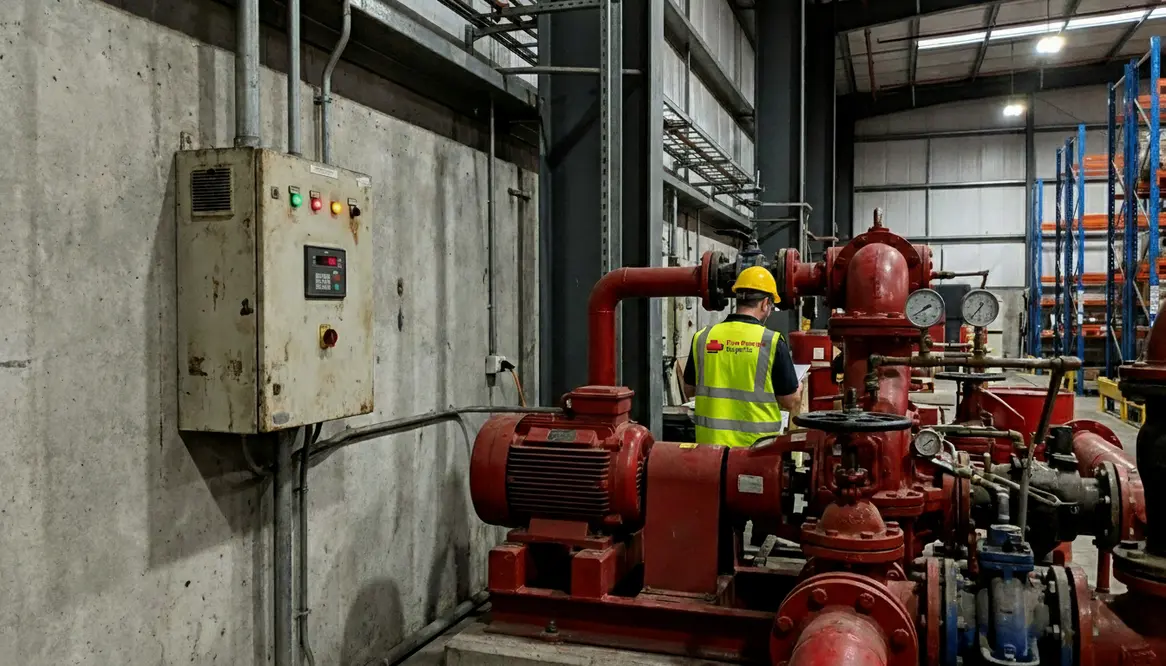
AS/NZS Fire Pump Replacement Planning Guide for Commercial and Industrial Buildings
When I look at a fire pump system, I do not see a box of steel and pipes. I see the quiet guardian of a commercial site, the industrial workhorse, the thing that stands between business as usual and a very bad day. That is why AS/NZS replacement planning matters so much. It is not just about swapping old equipment for shiny new gear. It is about keeping major properties, plants, and large facilities ready when water pressure drops and the alarms start singing their dramatic little song.
In this guide, I will walk through the planning steps I use for AS/NZS replacement projects in commercial and industrial facilities. I will keep it practical, because no one needs a fire pump plan that reads like a law school sleep aid. You need clear steps, sound checks, and a path that keeps your building safe and compliant.
Why I Start With the System, Not the Pump
Before I even think about a replacement, I study the whole fire protection setup. A pump does not work alone. It depends on the tank, the mains, the controller, the power supply, the valves, and the site demand. If one part struggles, the whole system can wobble like a one legged stool.
I also check why the existing unit needs replacement. Age matters, of course. So does repeated failure, spare parts shortage, corrosion, poor performance tests, and changes in building use. A warehouse that now runs heavier loads or a high rise that added services may need a different solution from the one installed years ago. The rules under AS/NZS standards help guide that decision, but the site condition tells the real story.
At this stage, I gather test records, maintenance history, and any past fault reports. That paper trail often reveals the truth faster than a full moon reveals secrets in a crime drama.
How I Check Compliance Before I Replace Anything
Compliance comes first, because fire systems do not forgive guesswork. I review the relevant AS/NZS requirements, local authority rules, and any building specific obligations tied to the property class and risk profile. For commercial and industrial buildings, I focus on performance, reliability, and certification needs.
The practical compliance check
Planning snapshot
Current condition
System demand
Compliance need
Risk level
What I document
Age, corrosion, leaks, vibration, failed tests
Required flow, pressure, and duration for the site
Standards, authority approval, and inspection records
Critical production zones, storage areas, or occupied towers
I then compare the existing pump duty with the real site demand. If the building changed, the pump should change too. That sounds obvious, yet plenty of facilities still run on old assumptions. And assumptions, as I like to say, are the slipperiest creatures in the building.
For deeper technical support, I also recommend reviewing a trusted commercial fire pump replacement resource that focuses on major properties and industrial facilities. It can help shape the early planning stage and reduce avoidable delays.
What I Include in a Replacement Plan
A good AS/NZS replacement plan does more than name a new pump. It lays out the full job from shutdown to handover. I build mine around safety, timing, and continuity of operations, because most large sites cannot simply press pause like a streaming show.
Core elements of the plan
- Site survey and system review
- Duty and pressure verification
- Selection of pump type and controller
- Power and piping checks
- Temporary fire protection measures during changeover
- Installation schedule and outage window
- Testing, commissioning, and certification
I also plan for access. In many industrial sites, the replacement job must work around forklifts, production lines, loading bays, and shift rosters. That means I need clear staging, safe entry points, and a schedule that respects operations. A replacement that blocks business for a week may sound bold, but it usually earns no applause.
My best advice: treat the replacement as a project, not a repair. A repair fixes today. A project protects the next ten years.
How I Manage Downtime Without Creating Risk
Downtime is where many AS/NZS replacement projects get tricky. A fire pump cannot vanish without a plan, because protection must stay in place while the work happens. So I build a changeover strategy that keeps risk under control.
Changeover strategy
First, I confirm whether the site needs a temporary pump setup, staged replacement, or after hours work. Next, I coordinate with facility managers, fire technicians, and any approval bodies. Then I map the work so the old unit stays active until the new one is ready for testing. That order matters. It keeps the building protected and avoids the kind of panic nobody wants on a Tuesday morning.
I also prepare for delays. Parts can arrive late. Weather can interfere. Old pipework can reveal surprises. That is why I keep spare time in the schedule and a backup plan for critical sites. In major buildings, a calm contingency plan beats a rushed fix every time.
What I Look For After Installation
Once the new pump is in place, the job is not done. I verify performance through testing and commissioning. I want proper start up response, stable pressure, correct flow, and clean integration with the controller and alarms. If the pump sounds unhappy, I listen. Fire systems may not speak English, but they do send very clear messages.
Records and long term readiness
I also check records. I make sure the manuals, test results, compliance notes, and as built details are all stored correctly. That way, the next inspection starts with facts, not folklore. Then I confirm the maintenance plan is updated so the facility team knows what to inspect, when to test, and how to keep the system ready.
Handled well, this part of AS/NZS replacement work sets up the building for years of reliable protection, not just a single handover day.
AS/NZS Fire Pump Replacement FAQ
Conclusion
If I want a fire pump replacement to work in a commercial or industrial building, I plan it with care from the start. I check the system, confirm compliance, protect operations, and test everything before handover. That approach saves time, reduces risk, and keeps major properties ready for the moment they need it most. If you manage a large facility, now is the right time to review your pump system and prepare an AS/NZS replacement plan that works.