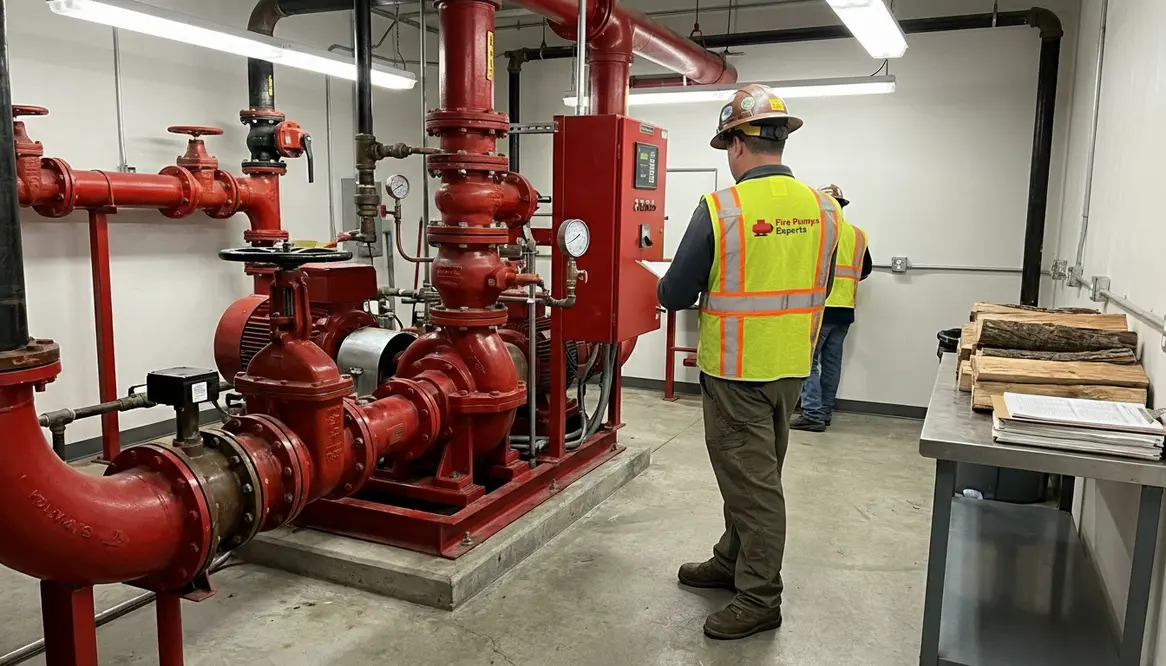
Thousand Oaks Commercial Fire Pump Responsibilities
How I keep high‑risk commercial and industrial properties in Thousand Oaks ready for the one day we all hope never comes.
Introduction
I manage fire protection for major commercial and industrial properties, and I take the topic of commercial fire pump responsibilities for Thousand Oaks seriously. In this article I walk you through what I do, why it matters, and how I keep large facilities safe and code compliant. I speak plain, and I do not hide behind jargon. Also, I like to add a little humor so you do not fall asleep mid sentence. Yes, even safety talks need a wink now and then.
Snapshot: What this article covers
- Core duties behind commercial fire pump responsibilities for Thousand Oaks
- What to ask about testing and inspections (without sounding lost)
- How I handle maintenance, documentation, and emergency planning
- Working with contractors, budgets, and future upgrades
commercial fire pump responsibilities for Thousand Oaks: Core Duties
I oversee several core duties for commercial fire pump systems in large properties. First, I make sure pumps start and supply the correct pressure and flow during a fire event. Second, I verify power sources and transfer switches because pumps are only useful when they have juice. Third, I track maintenance schedules, test results, and compliance documentation because building owners and insurance carriers want proof, not promises. I also coordinate with licensed contractors who specialize in industrial and commercial systems, since these pumps are heavy equipment and not a weekend project.
What to ask about testing and annual inspections
what should I ask about testing and annual inspections in Thousand Oaks?
When I talk to property managers or facility owners in Thousand Oaks, I ask precise questions, and you should too. Ask who performs the weekly churn tests, and whether they log static and residual pressures. Ask about monthly and annual performance tests, and whether those tests follow NFPA standards. Ask about controller exercises and battery checks for diesel start systems. If the contractor mentions vague phrases like trust me, I offer a friendly but firm eyebrow raise. You want specific dates, results, and corrective actions, not poetry.
Why sharp questions matter
The more clearly you ask about commercial fire pump responsibilities for Thousand Oaks, the harder it is for weak vendors to hide behind buzzwords. Good contractors welcome your questions, show you logs, and walk you through results without getting defensive or mysterious.
You are not being difficult by asking; you are being responsible. In a fire, the building will not care how charming the sales pitch was. It will care whether the pump starts and delivers the right water at the right pressure.
Routine maintenance and testing I perform
I schedule regular inspections and tests so your pump will work when called. Typically, I do weekly pump churn checks to confirm startup, monthly visual inspections for leaks and alignment, and annual flow and pressure tests under load. In addition, I verify remote supervisory devices and alarms. Because commercial and industrial pumps see heavy duty cycles, I also coordinate quarterly checks for diesel engines and automatic transfer gear. I document every step so I can show inspectors and insurance reps a clean audit trail.
How I handle documentation and compliance
I keep neat logs and clear reports. Therefore, when the city inspector shows up, I hand over a logical folder with test dates, technician names, gauge calibrations, and repair receipts. Moreover, I ensure the calibration certificates stay current because inaccurate gauges can lead to false passes. In addition, I register annual reports with authorities as required. That level of detail keeps facilities in Thousand Oaks running and avoids fines.
Operational tasks I track
Start reliability, pressure and flow, pump controller status, backup power checks, packing and seal condition, coupling alignment, and pipe valve positions.
Administrative tasks I maintain
Test logs, equipment lists, warranty files, service contracts, valve tags, and compliance letters for inspectors and insurers.
Dual column snapshot of priorities and quick actions
Priorities
Ensure start reliability, confirm supply pressure, maintain backup power, replace worn parts proactively, and uphold NFPA compliance.
Quick actions I take
Run churn tests, log readings, schedule heavy load tests, call licensed pump service for repairs, and issue reports to owners and authorities.
Emergency planning and operational readiness
I build response plans for commercial and industrial sites that expect high risk. For example, I map pump locations, run drills with building engineers, and ensure dedicated personnel know start procedures. In an emergency, I coordinate with fire departments and on site teams, and I bring spare parts if possible. Because minutes matter, I stage key tools and parts where technicians can reach them quickly. Also, I train staff so they can perform safe pump shutdowns or isolation if needed. Training reduces panic and increases operational confidence.
Selecting and working with contractors and service partners
I always use licensed firms that specialize in commercial and industrial fire pumps. They must provide proof of experience with large installations, and they must be familiar with local Thousand Oaks codes. When I vet partners, I check references from similar sized properties and review previous inspection reports. I prefer firms that use calibrated instruments and that can produce clear, readable reports right after tests. If you want the short version, hire specialists and avoid the weekend warrior crowd. Your pump and your building will thank you later.
For example, if you want a sense of what a full fire pump service program looks like, you can review resources like the fire pump services overview from Kord Fire at https://kordfire.com/fire-pump/. Seeing how specialists structure inspection schedules and documentation gives you a benchmark when you are comparing contractors.
Cost considerations and budget planning
Maintaining these systems has costs, yet proper budgeting saves money over time. I itemize routine maintenance, predictive repairs, major overhauls, and testing fees. Then I present a five year plan to owners because planning reduces emergency spending. Also, preventative work keeps insurance premiums lower and prevents business disruption. When owners balk at maintenance funds, I remind them that a failed pump is not a great place to economize. It is like skipping oil changes and expecting the car to applaud you.
The smarter you are about commercial fire pump responsibilities for Thousand Oaks, the easier it is to defend the budget. Instead of arguing over abstract line items, you can explain exactly which tests, repairs, and upgrades protect lives, property, and business continuity.
Technology, upgrades, and future proofing
New controllers, remote monitoring, and better pump designs improve reliability and reduce manual work. I evaluate retrofit options that fit industrial scale buildings, and I recommend upgrades only when they add clear value. For example, remote monitoring helps me catch slow pressure loss before it becomes an incident. In addition, modern controllers provide better diagnostics, which reduce downtime and make troubleshooting faster. I also consider life cycle costs when choosing equipment because the cheapest option up front often costs the most over a decade.
When you approach upgrades through the lens of commercial fire pump responsibilities for Thousand Oaks, technology stops being a shiny toy and becomes a practical tool. You focus on what actually improves readiness, makes inspections smoother, and trims long term risk.
FAQ
Below are straight answers to the questions I hear most often from owners and managers who are trying to get a handle on commercial fire pump responsibilities for Thousand Oaks and nearby communities.
Conclusion
I help owners of commercial and industrial properties in Thousand Oaks manage their fire pump responsibilities with clarity, diligence, and a plan that prevents surprises. If you want a partner who documents everything, coordinates licensed specialists, and keeps your building ready, call me. I will audit your system, create a maintenance roadmap, and give you a clear budget so you sleep better and your property stays protected.