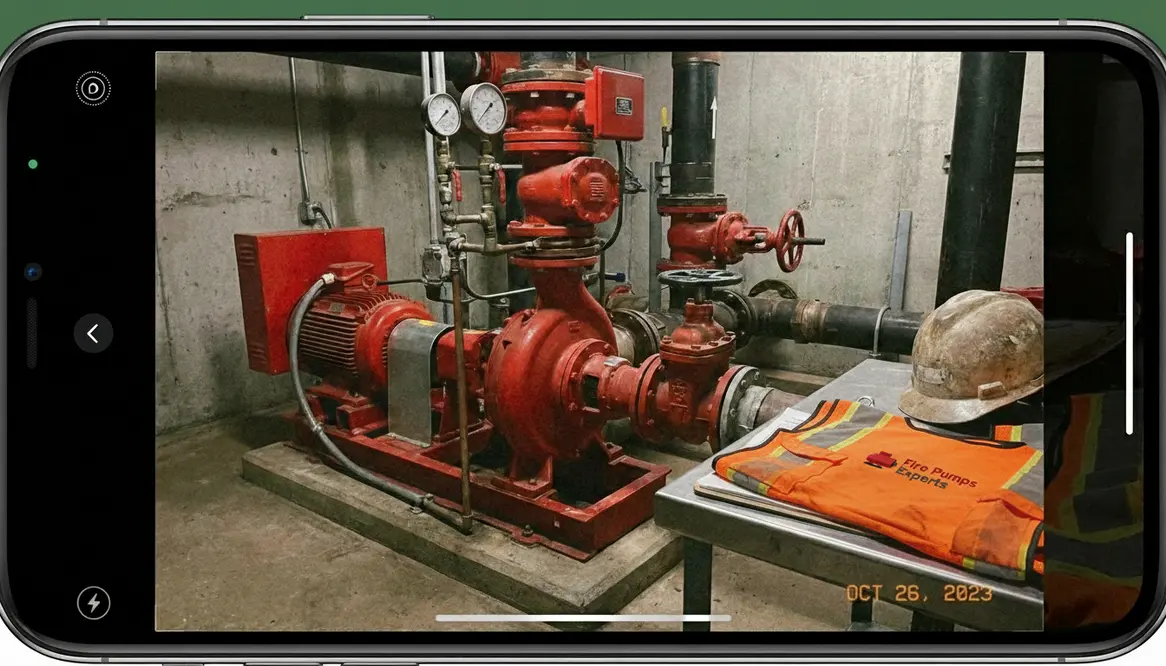
Corona Commercial Fire Pump Compliance Checklist
Introduction
I work with managers of commercial and industrial facilities and major property buildings in Corona, and I know that staying current with fire pump compliance requirements is not optional. In fact, the phrase fire pump compliance requirements guides every inspection, test, and paper trail I handle. I speak plainly, and I say this with calm authority: compliance protects people and property, it keeps insurance carriers satisfied, and it keeps your operations running without surprise shutdowns. Also, I have a soft spot for paperwork that actually saves lives, even if the forms do not deserve it.
What are the fire pump compliance requirements for facilities in Corona?
I will answer this fast and then unpack the details. You must meet national codes and local ordinances. Specifically, you follow the National Fire Protection Association standards, local Corona amendments, routine testing rules, and documentation expectations from inspectors. Next, you ensure installation and performance meet design intent, electrical supply is reliable, and spare parts and access are available for repair. In short, you need certified equipment, documented tests, and a maintenance plan that you actually follow.
Fire pump compliance requirements checklist for Corona commercial and industrial facilities
I prefer to give you a clear checklist that you can use today. First, verify that the pump matches the engineered system. Second, confirm the power source and starter equipment for reliability. Third, schedule and document the regular tests. Fourth, keep a log of all repairs and parts. Fifth, ensure trained personnel can operate and start the pump under pressure. Sixth, allow inspector access and maintain clear records. Finally, carry out upgrades when codes change, and do not wait until the inspector shows up with a clipboard and a dramatic eyebrow raise.
Compliance checklist for Corona commercial fire pumps
- Installation verification against approved drawings and manufacturer’s instructions
- Annual flow and pressure tests under supervision of a qualified technician
- Weekly or monthly priming, automatic starter operation checks, and let it run briefly under safe conditions
- Electrical supply inspections and transfer switch testing for systems tied to backup power
- Valve condition checks including jockey pump operation when applicable
- Immediate repair for leaks, cavitation noises, or failing bearings
- Complete, dated logs that show who did what and when
- Documentation of any changes to the system and third party certification when required
Calendar-ready tasks and recordkeeping for Corona facilities
Routine tasks you can set on your calendar
I recommend a mix of weekly, monthly, and annual tasks to reduce risk. Weekly checks confirm starter function and visual condition. Monthly tests verify run function and basic alarms. Annually you measure actual flow and pressure curves and perform a full system inspection. In addition, test under simulated emergency loads when the budget allows. These steps keep your insurance happy and local officials calm.
Records and people
You must have a responsible person or contractor for execution and records. I suggest assigning a facilities engineer or an approved vendor who specializes in commercial fire pumps. Train a backup so you are not at risk when the primary is on vacation. Also, keep parts on hand that commonly wear out. Furthermore, list emergency contacts and keep spare controller keys nearby but secure. Finally, ensure that vendor invoices tie back to your log entries so everything reconciles.
How I ensure compliance without slowing your operations
I focus on the essentials that inspectors will look for and the items that actually fail first. For example, I prioritize pump performance tests, electrical continuity checks, and the starter mechanisms. Then, I create a plan that fits your production schedule so we test at low impact times. Moreover, I use plain reports that your leadership can read in under three minutes. I avoid jargon and give clear action items. Also, I coordinate with your maintenance team so repairs happen without surprise downtime.
Common pitfalls commercial facilities in Corona face and how I fix them
One major pitfall is poor record keeping. I tackle that by setting a simple digital log system that timestamps tests and attaches photos. Another common issue is deferred maintenance. I advise a priority list so you replace the parts that matter most first. Also, electrical supply problems show up during power outages. Therefore I include backup power checks in every schedule. Finally, lack of trained staff is common. I provide training sessions that match the skill level of your team and give quick reference cards for emergency starts.
Why you should treat fire pump compliance as an investment
Treating compliance as an investment saves money over time. I have seen systems allowed to deteriorate and then a single failure forces expensive emergency repairs and business interruption. Conversely, consistent maintenance extends equipment life. Also, compliance reduces liability and can lower insurance premiums. In addition, well maintained systems protect your occupants and reduce risk to neighboring properties. You can call it proactive risk management or simple common sense either way it pays.
Aligning with NFPA 20 and local fire pump compliance requirements
Behind every clean inspection report is a system quietly meeting strict fire pump compliance requirements. In Corona, that means your fire pump installation, testing schedule, and documentation need to line up with NFPA 20 expectations and local amendments. That covers everything from pump room layout and suction piping to driver reliability and churn testing. When those elements are in sync, your building is far less likely to surprise you with a failed test or an inconvenient red tag on the door.
If you want a deeper technical reference on how standards shape real-world design and installation, you can review this NFPA 20 overview from Kord Fire at how NFPA 20 regulates fire pump systems. It reinforces why well-planned fire pump compliance requirements are really about reliability when the system has to perform under pressure.
FAQs
Conclusion
I will help you keep your commercial or industrial facility in Corona compliant, safe, and inspection ready. Contact me to build a practical compliance plan that fits your operations and reduces risk. I will schedule tests, train your team, and keep clear records so you can focus on running your business with confidence. Reach out now and let us protect your property and people together.